Blockade of Strait of Hormuz sparks new crypto scam
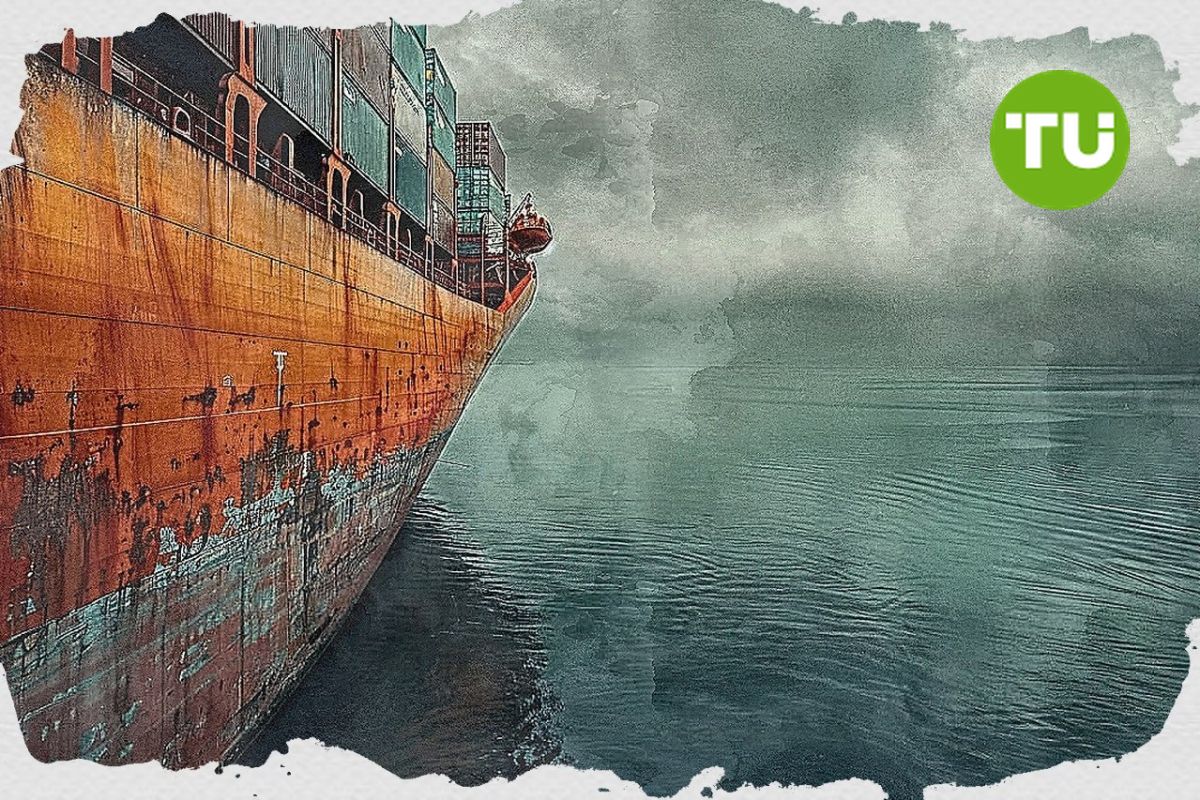
Several shipping companies have received fraudulent messages offering “safe passage” through the Strait of Hormuz in exchange for cryptocurrency. The messages are sent by unknown actors posing as representatives of Iranian authorities and target operators of vessels stranded west of the strait, Greek maritime risk management firm MARISKS warned.
According to Reuters, this comes amid the ongoing U.S. blockade of Iranian ports and repeated restrictions on traffic through the Strait of Hormuz, which Iran has imposed and lifted multiple times. Before the conflict, roughly one-fifth of global oil and liquefied natural gas supplies passed through this route. Against the backdrop of ceasefire talks, Tehran — which controls this narrow maritime corridor — has proposed charging fees for safe vessel transit.
On Monday, MARISKS issued a special alert to shipowners. It stated that unknown actors are demanding payment for “clearance” to pass through the strait in cryptocurrency, specifically Bitcoin or Tether. The firm emphasized that these messages are fraudulent and not linked to official Iranian authorities.
According to MARISKS, hundreds of vessels and around 20,000 seafarers remain stranded in the Persian Gulf. On April 18, when Iran briefly reopened the strait under inspection conditions, some ships attempted to pass. However, at least two vessels, including a tanker, reported being fired upon by Iranian boats and were forced to turn back.
First victim of the scam
The company also believes that at least one vessel that attempted to exit the strait on Saturday and came under fire may have fallen victim to this scheme. So far, it has not been possible to confirm this information or identify which companies received the messages.
One of the messages cited by MARISKS states that after submitting documents and undergoing checks by “Iranian security services,” the fee to be paid in BTC or USDT would be determined. Only then would the vessel allegedly be allowed to pass through the strait without obstruction at a pre-agreed time.
Why might shipowners believe the scammers? Two weeks ago, reports emerged suggesting that Iran could allow passage through the strait after payment of fees in cryptocurrency.
Why the Strait of Hormuz is blocked
The Strait of Hormuz became blocked after U.S. and Israeli strikes on targets in Iran, to which Tehran responded with missile attacks across the region. As a result, the situation quickly escalated beyond a local confrontation and began affecting key global trade routes.
Control over this narrow maritime corridor gives Tehran significant leverage, which it is using to strengthen its negotiating position. Restrictions on vessel movement, inspections, and the risk of attacks have already left hundreds of ships stranded. In practice, the strait has turned into a high-risk zone where navigation is tied to military and political uncertainty, while global markets face the threat of disruptions in energy supplies.
It is worth noting that oil prices have risen amid stalled negotiations between the U.S. and Iran.




Latest Iran war News





-
 Afghanistan
-
 Albania
-
 Algeria
-
 Angola
-
 Argentina
-
 Armenia
-
 Australia
-
 Austria
-
 Azerbaijan
-
 Bahamas
-
 Bahrain
-
 Bangladesh
-
 Belarus
-
 Belgium
-
 Bolivia
-
 Botswana
-
 Brazil
-
 Brunei
-
 Bulgaria
-
 Cambodia
-
 Cameroon
-
 Canada
-
 Chile
Chile
-
 China
China
-
 Colombia
-
 Congo
Congo
-
 Costa Rica
-
 Cote d'Ivoire
-
 Croatia
-
 Cuba
Cuba
-
 Cyprus
-
 Czechia
-
 DR Congo
-
 Denmark
-
 Dominican Republic
-
 Ecuador
-
 Egypt
Egypt
-
 El Salvador
-
 Estonia
-
 Eswatini
-
 Ethiopia
-
 Finland
-
 France
-
 Georgia
-
 Germany
-
 Ghana
Ghana
-
 Greece
-
 Haiti
Haiti
-
 Hong Kong
-
 Hungary
-
 India
India
-
 Indonesia
-
 Iran, Islamic republic
-
 Iraq
Iraq
-
 Ireland
-
 Israel
-
 Italy
Italy
-
 Jamaica
-
 Japan
Japan
-
 Jordan
-
 Kazakhstan
-
 Kenya
Kenya
-
 Korea
Korea
-
 Kuwait
-
 Kyrgyzstan
-
 Laos
Laos
-
 Latvia
-
 Lebanon
-
 Lesotho
-
 Libya
Libya
-
 Lithuania
-
 Luxembourg
-
 Madagascar
-
 Malaysia
-
 Malta
Malta
-
 Mauritius
-
 Mexico
-
 Moldova
-
 Mongolia
-
 Montenegro
-
 Morocco
-
 Mozambique
-
 Myanmar
-
 Namibia
-
 Nepal
Nepal
-
 Netherlands
-
 New Zealand
-
 Nigeria
-
 North Macedonia
-
 Norway
-
 Oman
Oman
-
 Pakistan
-
 Palestine
-
 Panama
-
 Papua New Guinea
-
 Paraguay
-
 Peru
Peru
-
 Philippines
-
 Poland
-
 Portugal
-
 Puerto Rico
-
 Qatar
Qatar
-
 Reunion
-
 Romania
-
 Rwanda
-
 Saudi Arabia
-
 Serbia
-
 Singapore
-
 Slovakia
-
 Slovenia
-
 Somalia
-
 South Africa
-
 Spain
Spain
-
 Sri Lanka
-
 Sweden
-
 Switzerland
-
 Syria
Syria
-
 Taiwan
-
 Tajikistan
-
 Tanzania
-
 Thailand
-
 Trinidad and Tobago
-
 Tunisia
-
 Turkey
-
 UAE
UAE
-
 Uganda
-
 Ukraine
-
 United Kingdom
-
United States
-
 Uruguay
-
 Uzbekistan
-
 Venezuela
-
 Vietnam
-
 Yemen
Yemen
-
 Zambia
-
 Zimbabwe
- Forex
- Crypto