
Crypto winter fears return as Bitcoin faces risk of 40% decline
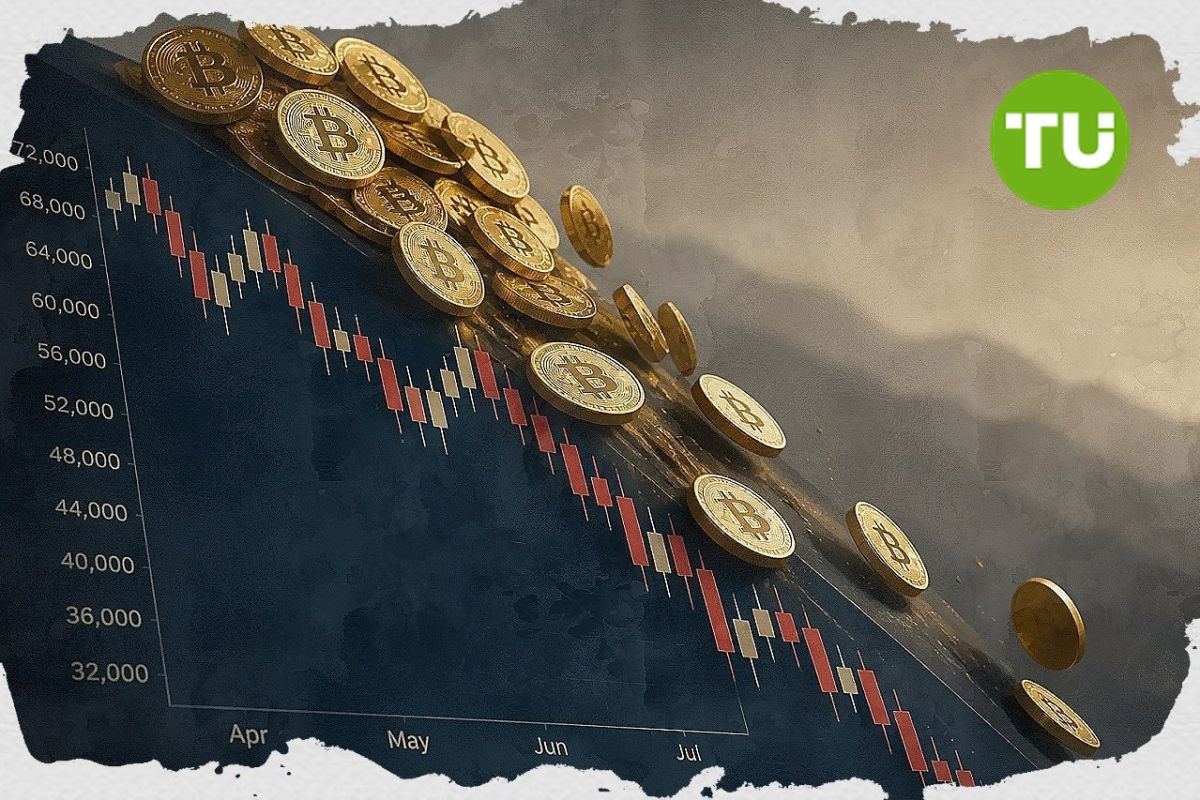
Escalating tensions in the Middle East and concerns over rising inflation remain the primary bearish factors weighing on Bitcoin.
Iran and the United States have exchanged strikes following the downing of a U.S. helicopter over the Strait of Hormuz. Against this backdrop, broad-based selling pressure has swept across U.S. equities, the cryptocurrency market, and Bitcoin in particular.
Another source of market anxiety is the upcoming U.S. CPI report. If inflation comes in above analysts' expectations, financial markets could face another wave of selling pressure.
It is worth noting that core CPI, which excludes food and energy prices, is forecast to reach 2.9%.
This suggests that elevated oil prices remain the primary driver of inflationary pressures in the United States.
The negative sentiment does not end there. According to SoSoValue, spot Bitcoin ETFs have now recorded 16 consecutive days of net outflows. Since the beginning of the week, investors have withdrawn approximately $169 million from these funds.
Although the outflow trend remains intact, the pace of selling has slowed somewhat compared to last week.

Bitcoin nears critical point as sellers gain control
On the daily chart, BTC continues to trade within the $60,000–$64,000 range. Weak buying interest and negative market sentiment could further strengthen sellers' control over price action.
If Bitcoin decisively breaks below and closes under $60,000, downside momentum could accelerate significantly. A substantial amount of liquidity from short- and medium-term traders is concentrated around this level.
The nearest support zone is located between $56,000 and $53,000.
Although the RSI (14) remains in oversold territory, the potential for further downside persists. Momentum indicators can remain in extreme zones for extended periods during strong trends.
At this stage, everything hinges on the $60,000 level. If Bitcoin manages to hold this support, market participants may regain confidence in the strength of buyers.
From a medium-term perspective, we continue to expect a decline toward the $39,000–$35,000 range. At those levels, Bitcoin would be trading approximately 50%–55% below its 200-day simple moving average (SMA), a condition that has historically coincided with major market bottoms.
Macro headwinds continue to pressure Bitcoin
A strong U.S. labor market, persistent inflation concerns, and fading expectations for Federal Reserve rate cuts continue to limit liquidity flows into high-risk assets. At the same time, escalating tensions in the Middle East are accelerating the shift of capital toward defensive investments.Taken together, these factors increase the probability of a break below the $60,000 level in the coming days or weeks.
At this stage, the cryptocurrency market needs a strong positive catalyst to reverse sentiment. For now, however, no such catalyst appears to be on the horizon.





Latest Bitcoin News









-
 Afghanistan
-
 Albania
-
 Algeria
-
 Angola
-
 Argentina
-
 Armenia
-
 Australia
-
 Austria
-
 Azerbaijan
-
 Bahamas
-
 Bahrain
-
 Bangladesh
-
 Belarus
-
 Belgium
-
 Bolivia
-
 Botswana
-
 Brazil
-
 Brunei
-
 Bulgaria
-
 Cambodia
-
 Cameroon
-
 Canada
-
 Chile
Chile
-
 China
China
-
 Colombia
-
 Congo
Congo
-
 Costa Rica
-
 Cote d'Ivoire
-
 Croatia
-
 Cuba
Cuba
-
 Cyprus
-
 Czechia
-
 DR Congo
-
 Denmark
-
 Dominican Republic
-
 Ecuador
-
 Egypt
Egypt
-
 El Salvador
-
 Estonia
-
 Eswatini
-
 Ethiopia
-
 Finland
-
 France
-
 Georgia
-
 Germany
-
 Ghana
Ghana
-
 Greece
-
 Haiti
Haiti
-
 Hong Kong
-
 Hungary
-
 India
India
-
 Indonesia
-
 Iran, Islamic republic
-
 Iraq
Iraq
-
 Ireland
-
 Israel
-
 Italy
Italy
-
 Jamaica
-
 Japan
Japan
-
 Jordan
-
 Kazakhstan
-
 Kenya
Kenya
-
 Korea
Korea
-
 Kuwait
-
 Kyrgyzstan
-
 Laos
Laos
-
 Latvia
-
 Lebanon
-
 Lesotho
-
 Libya
Libya
-
 Lithuania
-
 Luxembourg
-
 Madagascar
-
 Malaysia
-
 Malta
Malta
-
 Mauritius
-
 Mexico
-
 Moldova
-
 Mongolia
-
 Montenegro
-
 Morocco
-
 Mozambique
-
 Myanmar
-
 Namibia
-
 Nepal
Nepal
-
 Netherlands
-
 New Zealand
-
 Nigeria
-
 North Macedonia
-
 Norway
-
 Oman
Oman
-
 Pakistan
-
 Palestine
-
 Panama
-
 Papua New Guinea
-
 Paraguay
-
 Peru
Peru
-
 Philippines
-
 Poland
-
 Portugal
-
 Puerto Rico
-
 Qatar
Qatar
-
 Reunion
-
 Romania
-
 Rwanda
-
 Saudi Arabia
-
 Serbia
-
 Singapore
-
 Slovakia
-
 Slovenia
-
 Somalia
-
 South Africa
-
 Spain
Spain
-
 Sri Lanka
-
 Sweden
-
 Switzerland
-
 Syria
Syria
-
 Taiwan
-
 Tajikistan
-
 Tanzania
-
 Thailand
-
 Trinidad and Tobago
-
 Tunisia
-
 Turkey
-
 UAE
UAE
-
 Uganda
-
 Ukraine
-
 United Kingdom
-
United States
-
 Uruguay
-
 Uzbekistan
-
 Venezuela
-
 Vietnam
-
 Yemen
Yemen
-
 Zambia
-
 Zimbabwe
- Forex
- Crypto












