
The tweet was deleted by the author.
But we saved everything 🙂.
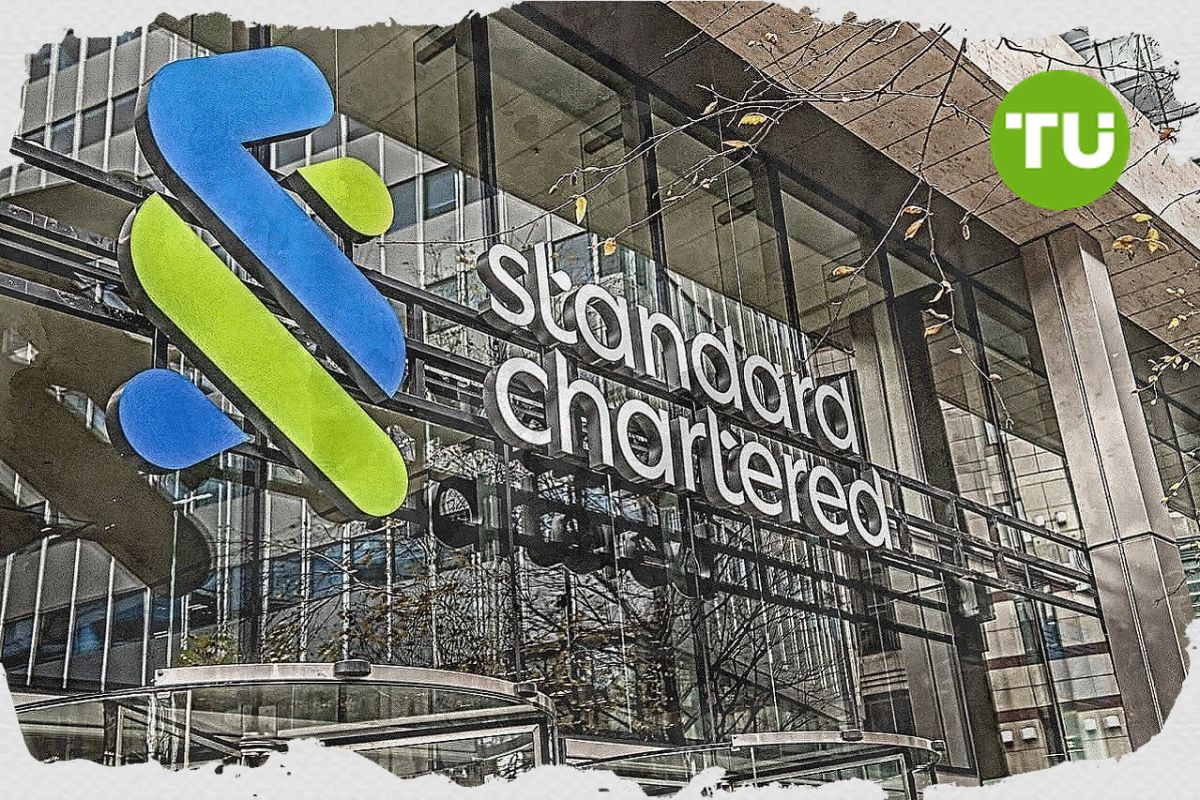
Standard Chartered has launched a new service that will allow eligible institutional clients to mint and redeem USDC through its own banking platform. The product was developed together with Circle, the issuer of the stablecoin.
The bank said the new setup allows clients to go through a single onboarding process and use Standard Chartered’s service instead of opening direct accounts with Circle. The solution brings together fiat banking services, asset custody, digital asset infrastructure and public blockchain networks within one banking product.
The service will initially launch through Standard Chartered’s operations in the Dubai International Financial Centre (DIFC). The bank plans to expand it to other markets later, subject to local approvals and sufficient market readiness.
The launch by Standard Chartered and Circle makes the bank the first global systemically important bank licensed to provide institutional clients with integrated access to USDC minting and redemption. Circle noted that clients will be able to use the service without holding direct accounts with the company.
The product is aimed at use cases such as onchain settlement, treasury operations and liquidity management. It also gives Standard Chartered a way to support stablecoin-based payment solutions in the future, as this infrastructure gradually becomes part of institutional clients’ workflows.
Roberto Hoornweg, head of Corporate and Investment Banking at Standard Chartered, said digital assets are becoming an increasingly important part of global financial infrastructure. According to him, clients want access to new tools with the same level of trust and corporate governance that exists in traditional markets.
Circle Chief Commercial Officer Kash Razzaghi said financial institutions need reliable access to stablecoins and blockchain-based markets. According to him, integrating Circle’s infrastructure into Standard Chartered’s platform will help organizations use USDC for payments, settlement and treasury operations.
The launch is part of a broader trend toward integrating USDC into banking services. Earlier, BNY gave clients the ability to mint and redeem USDC, allowing them to convert U.S. dollars into the stablecoin and back directly within its platform.
Circle is also expanding its institutional payment network. Earlier, the company launched Circle Payments Network for banks, giving banks and fintech companies a managed USDC settlement option without the need to manage custody systems or blockchain operations on their own.
Standard Chartered’s choice of USDC looks logical because this stablecoin fits more naturally into the requirements of a regulated financial market. Circle has long focused on reserve transparency, cooperation with banks and compliance with supervisory requirements. For institutional clients, this is critical: they need not just a liquid dollar token, but an instrument that can be integrated into payments, settlement and treasury operations without unnecessary regulatory risks.
Europe became an additional argument. After MiCA came into force, the stablecoin market in the EU began to split into permitted and problematic assets. USDC is considered one of the more regulated dollar stablecoins, while USDT has faced restrictions on European platforms due to non-compliance with MiCA requirements.
As a reminder, Standard Chartered forecasts that the stablecoin market will reach $2 trillion by 2028.

 Afghanistan
 Albania
 Algeria
 Angola
 Argentina
 Armenia
 Australia
 Austria
 Azerbaijan
 Bahamas
 Bahrain
 Bangladesh
 Belarus
 Belgium
 Bolivia
 Botswana
 Brazil
 Brunei
 Bulgaria
 Cambodia
 Cameroon
 Canada
 Chile
Chile
 China
China
 Colombia
 Congo
Congo
 Costa Rica
 Cote d'Ivoire
 Croatia
 Cuba
Cuba
 Cyprus
 Czechia
 DR Congo
 Denmark
 Dominican Republic
 Ecuador
 Egypt
Egypt
 El Salvador
 Estonia
 Eswatini
 Ethiopia
 Finland
 France
 Georgia
 Germany
 Ghana
Ghana
 Greece
 Haiti
Haiti
 Hong Kong
 Hungary
 India
India
 Indonesia
 Iran, Islamic republic
 Iraq
Iraq
 Ireland
 Israel
 Italy
Italy
 Jamaica
 Japan
Japan
 Jordan
 Kazakhstan
 Kenya
Kenya
 Korea
Korea
 Kuwait
 Kyrgyzstan
 Laos
Laos
 Latvia
 Lebanon
 Lesotho
 Libya
Libya
 Lithuania
 Luxembourg
 Madagascar
 Malaysia
 Malta
Malta
 Mauritius
 Mexico
 Moldova
 Mongolia
 Montenegro
 Morocco
 Mozambique
 Myanmar
 Namibia
 Nepal
Nepal
 Netherlands
 New Zealand
 Nigeria
 North Macedonia
 Norway
 Oman
Oman
 Pakistan
 Palestine
 Panama
 Papua New Guinea
 Paraguay
 Peru
Peru
 Philippines
 Poland
 Portugal
 Puerto Rico
 Qatar
Qatar
 Reunion
 Romania
 Rwanda
 Saudi Arabia
 Serbia
 Singapore
 Slovakia
 Slovenia
 Somalia
 South Africa
 Spain
Spain
 Sri Lanka
 Sweden
 Switzerland
 Syria
Syria
 Taiwan
 Tajikistan
 Tanzania
 Thailand
 Trinidad and Tobago
 Tunisia
 Turkey
 UAE
UAE
 Uganda
 Ukraine
 United Kingdom
United States
United Kingdom
United States
 Uruguay
 Uzbekistan
 Venezuela
 Vietnam
 Yemen
Yemen
 Zambia
 Zimbabwe