
Central Asia moves toward crypto legalization under tight state control
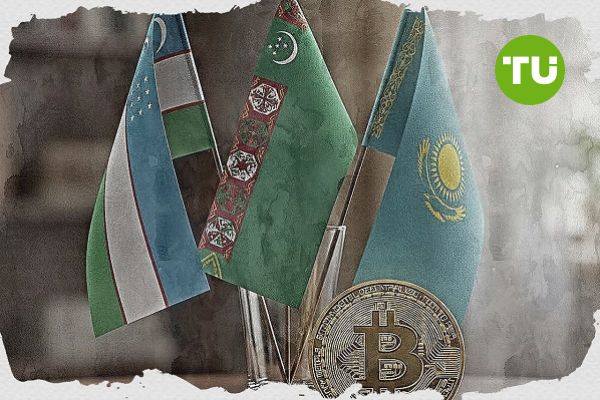
Central Asian countries are gradually legalizing cryptocurrency under strict state control. According to a report published by Business Turkmenistan on November 28, Turkmenistan’s President Serdar Berdimuhamedow has signed a law regulating the cryptocurrency industry.
The comprehensive crypto legislation legalizes the sector while placing it under heavy government oversight through licensing requirements and potential use of state-controlled registries — marking a significant policy shift for one of the world’s most closed economies.
The new law, which takes effect in 2026, establishes rules for licensing, Know Your Customer (KYC) procedures, anti–money laundering measures, and cold storage requirements for crypto exchanges and custodial services. It also prohibits financial institutions from offering crypto services. The state may suspend, revoke, or forcibly reclaim funds from token issuers.
According to Cointelegraph, the law also requires registration for cryptocurrency mining and mining pool operations, while banning hidden activities. It also states that the national Central Bank may authorize distributed ledgers or maintain its own — potentially forcing citizens to rely on an approved, government-controlled infrastructure.
The legislation explicitly states that cryptocurrencies are not legal tender, not currency, and not securities in Turkmenistan. Digital assets are divided into two categories: secured and unsecured. Regulators will determine liquidity requirements, settlement rules, and emergency redemption conditions for secured assets.
Major shifts in a traditionally conservative region
Turkmenistan’s neighbor Uzbekistan is also moving toward integrating digital assets into its economy. Beginning January 1, 2026, Uzbekistan will allow stablecoins to be used as an official means of payment within a new regulatory sandbox created by the National Agency for Perspective Projects together with the Central Bank, which will also allow trading of tokenized securities.
According to a Friday report from local outlet Kun, pilot projects will be launched to develop a stablecoin-based payment system running on distributed ledger technology. Starting next year, Uzbek companies will be allowed to issue tokenized stocks and bonds, with a separate trading venue for these assets on licensed stock exchanges.
The actions of Turkmenistan and Uzbekistan clearly indicate an effort to keep pace with regional developments. In late October, Kyrgyzstan issued a new stablecoin pegged 1:1 to the Kyrgyz som and confirmed plans for a central bank digital currency and the potential creation of a digital asset reserve.
But Kazakhstan remains the regional leader. In late September, Kazakhstan’s central bank launched its stablecoin pilot program. Also in September, the country partnered with Binance to create a state crypto reserve holding BNB.
At the same time, Kazakhstan has intensified its crackdown on illegal mining and in October blocked 130 cryptocurrency platforms engaged in illicit financial activities.
As we wrote, Kazakhstan launches state-backed Alem Crypto Fund with initial BNB investment














-
 Afghanistan
-
 Albania
-
 Algeria
-
 Angola
-
 Argentina
-
 Armenia
-
 Australia
-
 Austria
-
 Azerbaijan
-
 Bahamas
-
 Bahrain
-
 Bangladesh
-
 Belarus
-
 Belgium
-
 Bolivia
-
 Botswana
-
 Brazil
-
 Brunei
-
 Bulgaria
-
 Cambodia
-
 Cameroon
-
 Canada
-
 Chile
Chile
-
 China
China
-
 Colombia
-
 Congo
Congo
-
 Costa Rica
-
 Cote d'Ivoire
-
 Croatia
-
 Cuba
Cuba
-
 Cyprus
-
 Czechia
-
 DR Congo
-
 Denmark
-
 Dominican Republic
-
 Ecuador
-
 Egypt
Egypt
-
 El Salvador
-
 Estonia
-
 Eswatini
-
 Ethiopia
-
 Finland
-
 France
-
 Georgia
-
 Germany
-
 Ghana
Ghana
-
 Greece
-
 Haiti
Haiti
-
 Hong Kong
-
 Hungary
-
 India
India
-
 Indonesia
-
 Iran, Islamic republic
-
 Iraq
Iraq
-
 Ireland
-
 Israel
-
 Italy
Italy
-
 Jamaica
-
 Japan
Japan
-
 Jordan
-
 Kazakhstan
-
 Kenya
Kenya
-
 Korea
Korea
-
 Kuwait
-
 Kyrgyzstan
-
 Laos
Laos
-
 Latvia
-
 Lebanon
-
 Lesotho
-
 Libya
Libya
-
 Lithuania
-
 Luxembourg
-
 Madagascar
-
 Malaysia
-
 Malta
Malta
-
 Mauritius
-
 Mexico
-
 Moldova
-
 Mongolia
-
 Montenegro
-
 Morocco
-
 Mozambique
-
 Myanmar
-
 Namibia
-
 Nepal
Nepal
-
 Netherlands
-
 New Zealand
-
 Nigeria
-
 North Macedonia
-
 Norway
-
 Oman
Oman
-
 Pakistan
-
 Palestine
-
 Panama
-
 Papua New Guinea
-
 Paraguay
-
 Peru
Peru
-
 Philippines
-
 Poland
-
 Portugal
-
 Puerto Rico
-
 Qatar
Qatar
-
 Reunion
-
 Romania
-
 Rwanda
-
 Saudi Arabia
-
 Serbia
-
 Singapore
-
 Slovakia
-
 Slovenia
-
 Somalia
-
 South Africa
-
 Spain
Spain
-
 Sri Lanka
-
 Sweden
-
 Switzerland
-
 Syria
Syria
-
 Taiwan
-
 Tajikistan
-
 Tanzania
-
 Thailand
-
 Trinidad and Tobago
-
 Tunisia
-
 Turkey
-
 UAE
UAE
-
 Uganda
-
 Ukraine
-
 United Kingdom
-
United States
-
 Uruguay
-
 Uzbekistan
-
 Venezuela
-
 Vietnam
-
 Yemen
Yemen
-
 Zambia
-
 Zimbabwe
- Forex
- Crypto











