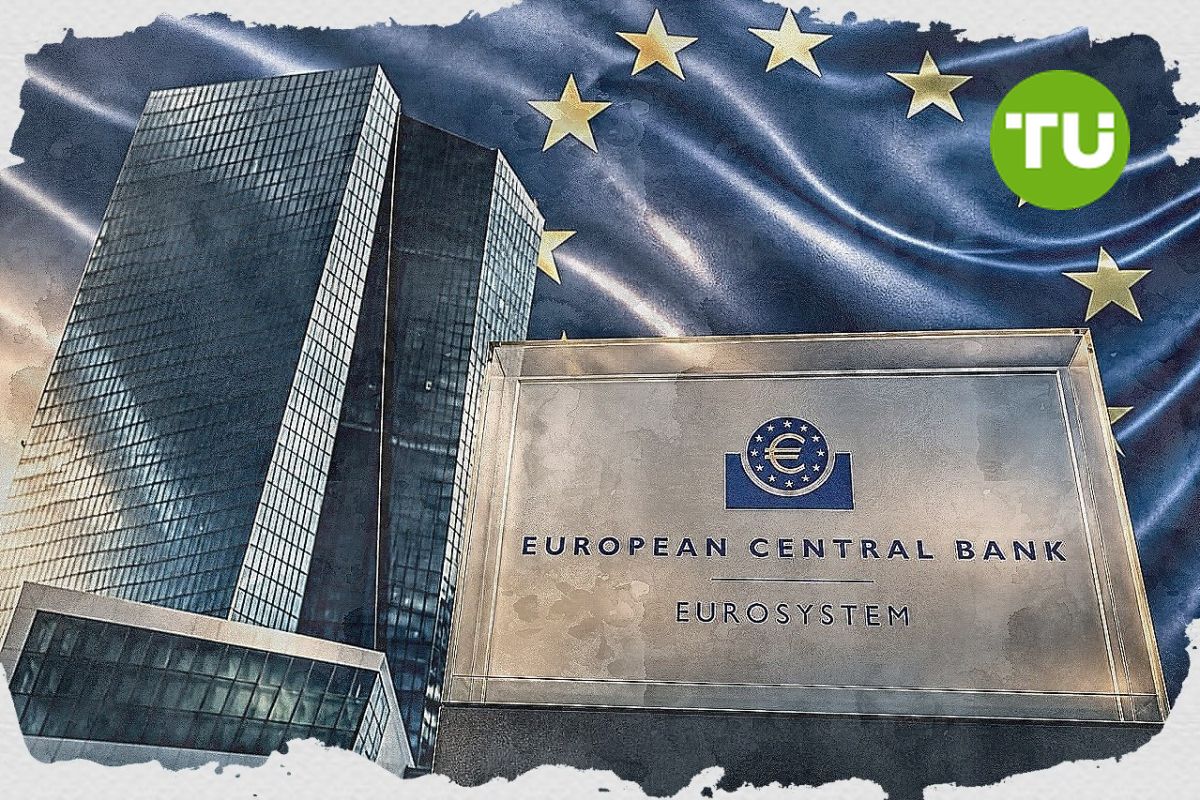
The tweet was deleted by the author.
But we saved everything 🙂.
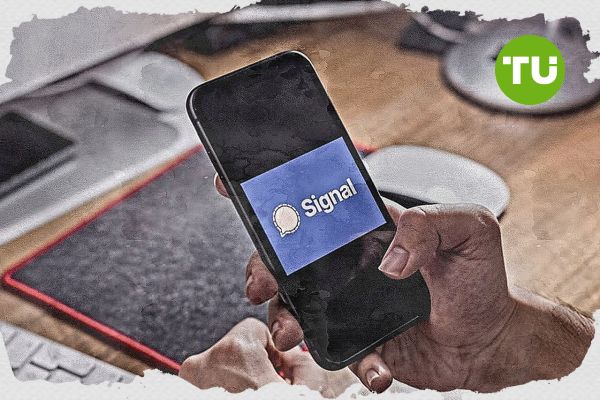
The crypto community has its main digital asset — Bitcoin. It also has its own social network — Nostr. But it lacks one essential piece — a messenger. Jack Dorsey, Peter Todd, and other Bitcoin enthusiasts want to fix that by proposing that Signal take on the role of the community’s private communication hub.
A campaign called “Bitcoin for Signal” has gained traction on social media platform X. Its main initiators — Twitter founder Jack Dorsey and Bitcoin developer Peter Todd — have proposed integrating Bitcoin into the Signal messenger through the Cashu protocol to enable truly private in-app payments. According to them, many in the Bitcoin community believe that Bitcoin belongs in Signal — a messenger that has long symbolized privacy and digital independence.
Dorsey believes that combining Signal with Cashu could become a natural evolution for Bitcoin — a move from being a store of value to enabling real, private peer-to-peer transactions. Today, Signal has around 70 million active users, is fully open source, and uses end-to-end encryption by default, making it one of the most trusted privacy-focused messengers in the world.
This idea isn’t entirely new. Back in 2021, Signal attempted to integrate cryptocurrency payments via MobileCoin, but the project faced criticism for excessive centralization, limited accessibility, and low liquidity. The Bitcoin for Signal campaign aims to replace that system with a more decentralized and transparent alternative.
At the heart of the initiative lies the Cashu protocol, which uses Chaumian Ecash technology — digital tokens issued anonymously through a cryptographic system of so-called blind signatures. Invented in the 1980s by cryptographer David Chaum, this mechanism allows transactions to occur without revealing users’ identities: a server mints tokens without knowing who owns them. As a result, neither the operator nor outside observers can trace who sent money to whom — unlike traditional blockchain transactions.
Cashu applies this model to Bitcoin, creating a layer that lets users send and receive private payments without recording each transaction on the blockchain. Instead, the system uses Bitcoin-backed tokens that can circulate within the ecosystem without leaving a digital trail.
The Bitcoin for Signal campaign has emerged amid mounting pressure on digital privacy. In the European Union, lawmakers are debating a controversial proposal known as Chat Control, which would require messaging apps — including Signal and WhatsApp — to hand over private user messages to authorities under the guise of combating illegal content. In practice, this would undermine end-to-end encryption and open the door to mass surveillance of private communications.
Human rights groups and several EU countries, most notably Germany, have opposed the proposal, calling it unconstitutional and incompatible with fundamental civil liberties. Against this backdrop, Bitcoin for Signal is seen not just as a technological initiative but also as a political statement — a move to defend digital freedom and resist government overreach.
If realized, the integration could turn Signal into the world’s largest platform for peer-to-peer Bitcoin transactions. It would be a breakthrough not only for the messenger but for the entire Bitcoin ecosystem: for the first time, the cryptocurrency would gain a native use case within an app used by tens of millions of people. For many, this could mark the shift from Bitcoin as a store of value to Bitcoin as an everyday payment tool.
The potential economic and reputational impact would be enormous — such integration would strengthen Bitcoin’s image as the universal currency of the digital age. However, challenges remain. Cashu’s scalability has yet to be tested at mass-market levels. There’s also the risk of regulatory pressure, especially in countries where cryptocurrency transactions face strict oversight. Furthermore, App Store and Google Play could impose restrictions if they deem private crypto payments to violate their policies. The project’s success will depend not only on community enthusiasm but also on the world’s readiness to accept a new level of digital freedom.
Bitcoin and Signal are two symbols of digital sovereignty, both built on the ideals of decentralization and the right to personal privacy online. Their potential union feels natural — yet it challenges the very foundations of the current system. Integrating private payments into a secure messenger could upend the balance between individual autonomy and state control over communication and finance.
“Bitcoin for Signal” is more than a tech proposal — it’s a manifesto against the culture of total transparency pursued by governments and corporations alike. But can it survive in a world where privacy itself is increasingly branded as a security threat? The question remains: will this initiative become a real step toward digital freedom — or remain an idealistic dream that the system simply won’t allow to exist?



 Afghanistan
 Albania
 Algeria
 Angola
 Argentina
 Armenia
 Australia
 Austria
 Azerbaijan
 Bahamas
 Bahrain
 Bangladesh
 Belarus
 Belgium
 Bolivia
 Botswana
 Brazil
 Brunei
 Bulgaria
 Cambodia
 Cameroon
 Canada
 Chile
Chile
 China
China
 Colombia
 Congo
Congo
 Costa Rica
 Cote d'Ivoire
 Croatia
 Cuba
Cuba
 Cyprus
 Czechia
 DR Congo
 Denmark
 Dominican Republic
 Ecuador
 Egypt
Egypt
 El Salvador
 Estonia
 Eswatini
 Ethiopia
 Finland
 France
 Georgia
 Germany
 Ghana
Ghana
 Greece
 Haiti
Haiti
 Hong Kong
 Hungary
 India
India
 Indonesia
 Iran, Islamic republic
 Iraq
Iraq
 Ireland
 Israel
 Italy
Italy
 Jamaica
 Japan
Japan
 Jordan
 Kazakhstan
 Kenya
Kenya
 Korea
Korea
 Kuwait
 Kyrgyzstan
 Laos
Laos
 Latvia
 Lebanon
 Lesotho
 Libya
Libya
 Lithuania
 Luxembourg
 Madagascar
 Malaysia
 Malta
Malta
 Mauritius
 Mexico
 Moldova
 Mongolia
 Montenegro
 Morocco
 Mozambique
 Myanmar
 Namibia
 Nepal
Nepal
 Netherlands
 New Zealand
 Nigeria
 North Macedonia
 Norway
 Oman
Oman
 Pakistan
 Palestine
 Panama
 Papua New Guinea
 Paraguay
 Peru
Peru
 Philippines
 Poland
 Portugal
 Puerto Rico
 Qatar
Qatar
 Reunion
 Romania
 Rwanda
 Saudi Arabia
 Serbia
 Singapore
 Slovakia
 Slovenia
 Somalia
 South Africa
 Spain
Spain
 Sri Lanka
 Sweden
 Switzerland
 Syria
Syria
 Taiwan
 Tajikistan
 Tanzania
 Thailand
 Trinidad and Tobago
 Tunisia
 Turkey
 UAE
UAE
 Uganda
 Ukraine
 United Kingdom
United States
United Kingdom
United States
 Uruguay
 Uzbekistan
 Venezuela
 Vietnam
 Yemen
Yemen
 Zambia
 Zimbabwe