

Phoenix interview: Silver prices and jewelry in 2026
Silver prices around jewelry: Market dynamics, design, and consumer demand
As 2026 begins, silver finds itself in the spotlight again – but without clear answers. After an active and volatile 2025, marked by inflation concerns, strong industrial demand, and renewed investor interest, silver prices remain unpredictable. Will the momentum continue, or is the market heading for another shift? For the jewelry industry, this uncertainty matters just as much as the price itself.
Silver is more than a commodity. It is a design material, a fashion choice, and for many buyers, an accessible form of long-term value. When prices fluctuate, jewelry brands face a delicate balancing act: adapting to market conditions while preserving craftsmanship, fair pricing, and consumer trust. At the same time, customers are paying closer attention to transparency and value than ever before.
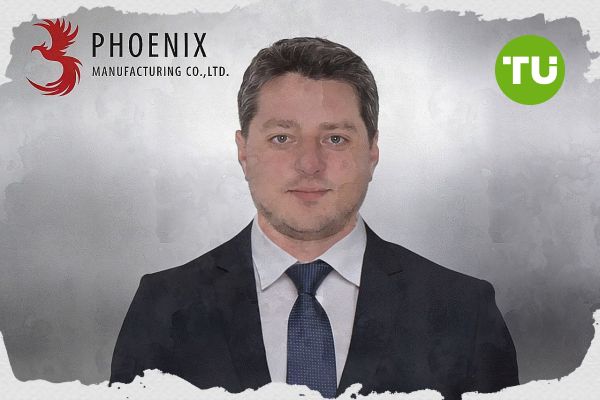
To explore how silver price dynamics are shaping jewelry decisions at the start of 2026, we spoke with Daniel Tramer, a representative of 925SilverJewelry by Phoenix Manufacturing Co., Ltd., a company specializing in sterling silver jewelry. In this interview, we discuss how changing silver prices influence design, sourcing, pricing strategies, and consumer behavior – and how jewelry brands navigate uncertainty in a market where the next move is still an open question.
Silver price dynamics and the jewelry market
1. Silver prices are often discussed in the context of investment or industry. From a jewelry brand’s perspective, how important is silver price movement today?
A: When it comes to jewelry, small fluctuations in prices are usually negligible and are built into our pricing model. However, large spikes can cause significant disruptions in the supply chain, affecting production and design processes. For everyone involved in the industry, from manufacturers like us, and all the way down to the end customer, it's ideal for prices to remain stable. Nevertheless, these changes can also lead to innovations and new opportunities that might not have been explored otherwise.
2. Over the past few years, silver has shown notable volatility. How does price fluctuation impact jewelry production and long-term planning?
A: Production generally stays the same, with recycling increasingly becoming the norm. Where we really see the impact is in planning and sourcing, which now happens in more short-term stages, consequently affecting our design decisions the most.
Silver prices may shape costs, but consumer perception plays an equally important role. Let’s talk about how buyers relate to silver as both a material and a product.
Consumer perception and value
3. How do customers today perceive silver jewelry: more as a fashion accessory, a precious metal product, or a balance of both?
A: I think it is a good balance of both, depending on where it is sold and how it is branded.
4. When silver prices rise, are customers more price-sensitive, or do they place greater value on craftsmanship and design?
A: It’s a subjective question and really varies depending on each brand’s customer base. For example, some of the retail giants we work with sell to the mass market, where keeping prices under control is crucial. While for a small boutique selling high-end fashion pieces, the priorities are different.
Beyond pricing, jewelry brands must make strategic decisions about sourcing, design, and positioning. Let’s explore how those choices are made.
Design, sourcing, and brand strategy
5. How do silver price changes influence design decisions, such as weight, complexity, or product range?
A: It has a massive impact on us. With increasing costs, we’re expected to develop styles that meet specific price points by creating lighter models, without compromising the quality or durability of the finished product. Being able to meet these kinds of challenges is what’s helped us get to where we are in such a short time. We have managed to reduce overall cost to our customers by up 20% through new innovative production methods.
6. What role does sourcing and quality control play when managing costs without compromising the integrity of sterling silver jewelry?
A: Raw material sourcing and labor are the baseline for calculating the final cost of every piece of jewelry we produce. With costs increasing, we’ve put stricter cost comparison standards in place for suppliers and tightened quality control at every stage to prevent defects and reworking, making us more cost-efficient than most of our direct competitors.
7. Do you view silver jewelry as a long-term value proposition for customers, especially compared to gold or other precious metals?
A: Yes, 100%. There is nothing else like it. It’s still the cheapest precious metal that can be kept and sold later. Also, there is no other metal that has the same properties.
As the market evolves, brands must adapt not only to metal prices but also to broader trends. Let’s look ahead.
The future of silver jewelry
8. How do you see the role of silver jewelry evolving in the coming years amid economic uncertainty and changing fashion trends?
A: As gold prices rise, some demand will naturally shift toward silver. In the coming years, silver will increasingly be seen as a giftable treasure and more closely associated with high-end fashion rather than just a one-time piece.
9. Are sustainability, recycling, or ethical sourcing becoming more important factors alongside silver pricing?
A: Mostly yes. Two out of every five customers we work with, whether for wholesale or production orders, make it mandatory for us to undergo regular audits conducted by RJC and Sedex, as each serves different purposes. We see this becoming the future of the jewelry industry, regardless of whether it is silver, gold, or brass.
10. Finally, what advice would you give to consumers who are concerned about silver prices but still want to invest in or enjoy silver jewelry?
A: Fluctuations are inevitable, but stability will follow, so keep it as part of your collection. Use brass for parties and general fashion, while silver is for simple, classy, elegant everyday pieces.
As silver continues to occupy a unique position between affordability and intrinsic value, its role in jewelry remains both practical and symbolic. Wholesalers like 925SilverJewelry By Phoenix Manufacturing Co., Ltd. highlight how thoughtful design, transparency, and quality craftsmanship can help bridge the gap between fluctuating silver prices and consumer expectations.
We thank Daniel Tramer and the Phoenix team for sharing their perspective on how silver price dynamics shape the jewelry market in 2026 – not just as a commodity, but as a material that carries style, meaning, and lasting appeal.


Latest XAG/USD News



-
 Afghanistan
-
 Albania
-
 Algeria
-
 Angola
-
 Argentina
-
 Armenia
-
 Australia
-
 Austria
-
 Azerbaijan
-
 Bahamas
-
 Bahrain
-
 Bangladesh
-
 Belarus
-
 Belgium
-
 Bolivia
-
 Botswana
-
 Brazil
-
 Brunei
-
 Bulgaria
-
 Cambodia
-
 Cameroon
-
 Canada
-
 Chile
Chile
-
 China
China
-
 Colombia
-
 Congo
Congo
-
 Costa Rica
-
 Cote d'Ivoire
-
 Croatia
-
 Cuba
Cuba
-
 Cyprus
-
 Czechia
-
 DR Congo
-
 Denmark
-
 Dominican Republic
-
 Ecuador
-
 Egypt
Egypt
-
 El Salvador
-
 Estonia
-
 Eswatini
-
 Ethiopia
-
 Finland
-
 France
-
 Georgia
-
 Germany
-
 Ghana
Ghana
-
 Greece
-
 Haiti
Haiti
-
 Hong Kong
-
 Hungary
-
 India
India
-
 Indonesia
-
 Iran, Islamic republic
-
 Iraq
Iraq
-
 Ireland
-
 Israel
-
 Italy
Italy
-
 Jamaica
-
 Japan
Japan
-
 Jordan
-
 Kazakhstan
-
 Kenya
Kenya
-
 Korea
Korea
-
 Kuwait
-
 Kyrgyzstan
-
 Laos
Laos
-
 Latvia
-
 Lebanon
-
 Lesotho
-
 Libya
Libya
-
 Lithuania
-
 Luxembourg
-
 Madagascar
-
 Malaysia
-
 Malta
Malta
-
 Mauritius
-
 Mexico
-
 Moldova
-
 Mongolia
-
 Montenegro
-
 Morocco
-
 Mozambique
-
 Myanmar
-
 Namibia
-
 Nepal
Nepal
-
 Netherlands
-
 New Zealand
-
 Nigeria
-
 North Macedonia
-
 Norway
-
 Oman
Oman
-
 Pakistan
-
 Palestine
-
 Panama
-
 Papua New Guinea
-
 Paraguay
-
 Peru
Peru
-
 Philippines
-
 Poland
-
 Portugal
-
 Puerto Rico
-
 Qatar
Qatar
-
 Reunion
-
 Romania
-
 Rwanda
-
 Saudi Arabia
-
 Serbia
-
 Singapore
-
 Slovakia
-
 Slovenia
-
 Somalia
-
 South Africa
-
 Spain
Spain
-
 Sri Lanka
-
 Sweden
-
 Switzerland
-
 Syria
Syria
-
 Taiwan
-
 Tajikistan
-
 Tanzania
-
 Thailand
-
 Trinidad and Tobago
-
 Tunisia
-
 Turkey
-
 UAE
UAE
-
 Uganda
-
 Ukraine
-
 United Kingdom
-
United States
-
 Uruguay
-
 Uzbekistan
-
 Venezuela
-
 Vietnam
-
 Yemen
Yemen
-
 Zambia
-
 Zimbabwe
- Forex
- Crypto












