
US сourt cancels subpoenas against Fed сhair Jerome Powell
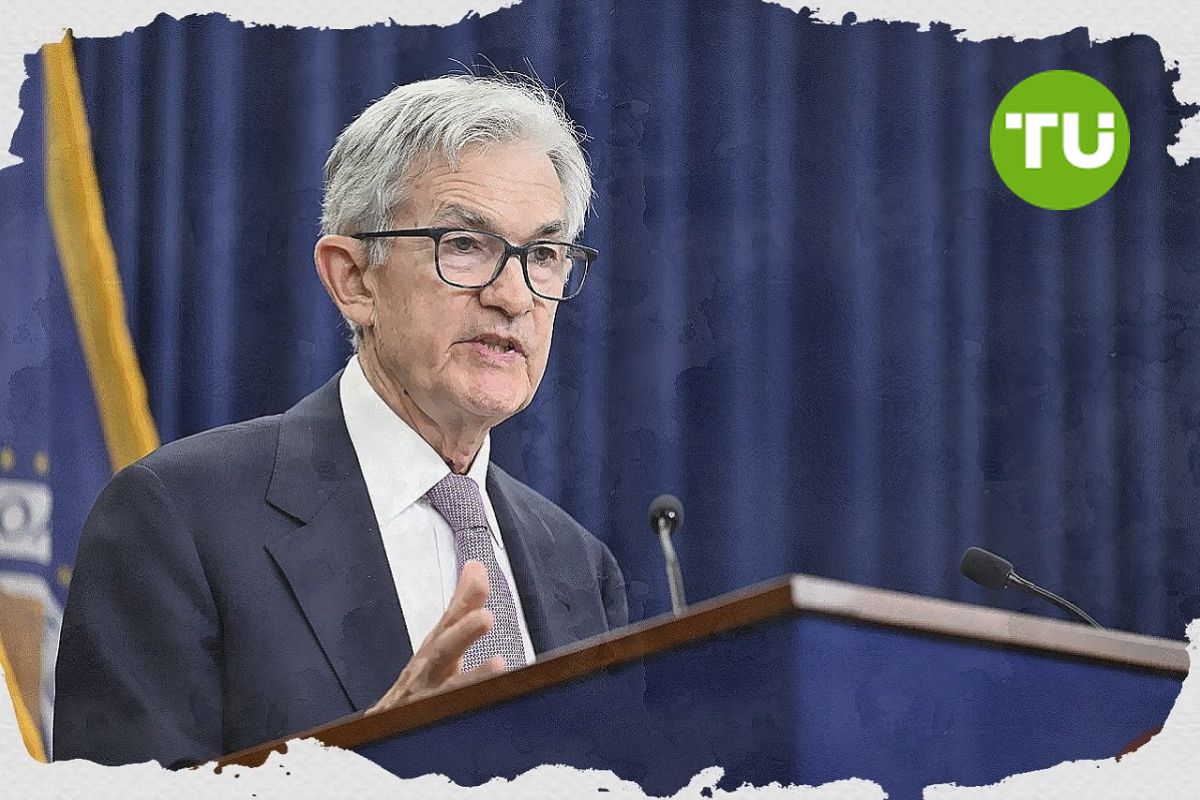
A US federal court has canceled subpoenas issued by the Department of Justice against Federal Reserve Chair Jerome Powell. The decision significantly weakens the position of Donald Trump, one of Powell’s most vocal critics, and deals a serious blow to the investigation against the Fed chief.
Highlights
- A US federal court canceled subpoenas issued against Fed Chair Jerome Powell.
- The judge said the investigation lacked evidence and appeared politically motivated.
- The ruling may strengthen protections for the Federal Reserve’s independence.
Court finds weak legal grounds
According to released court documents cited by The Washington Post, the court found the investigation against Powell to be weak. At the same time, there is substantial evidence that the US government used subpoenas to exert political pressure on the Federal Reserve Chairman.
“An overwhelming amount of evidence shows that the government issued these subpoenas in an attempt to force Powell to lower interest rates or resign,” said federal district judge James Boasberg in his statement.
The judge also emphasized that there was little evidence presented indicating that Powell had committed any crime, describing the government’s arguments as “weak and unsubstantiated.”
As previously reported, the United States Department of Justice launched the investigation after Powell testified before the Senate Banking Committee in the summer of 2025. During those hearings, lawmakers discussed a reconstruction project involving two historic buildings belonging to the Federal Reserve System, estimated to cost between $2.5 billion and $3.1 billion.
Investigators sought to determine whether the actual costs matched the figures Powell had presented to senators. Critics argued that the project might include expensive elements such as marble finishes, specialized elevators, VIP areas, and other costly architectural features. Powell, however, stated that some of these claims were exaggerated or not part of the project at all.
As a result, the allegations against the Fed chair were not related to monetary policy but instead centered on accusations that he had misled Congress or provided false testimony.
A victory for the Fed — but the final one?
Throughout the case, the political context remained dominant. The conflict escalated amid tensions between the White House and the Federal Reserve over interest rate policy. The president repeatedly criticized the Fed for maintaining what he described as overly restrictive monetary policy, while Powell publicly warned that criminal investigations could become a tool to pressure the regulator.
The court’s ruling may become an important precedent for protecting the independence of the Federal Reserve. Since its creation in 1913, the US central bank has been formally separated from political authority so that decisions on interest rates are made based on economic conditions rather than the political interests of the sitting administration.
Attempts to exert political pressure on the Fed traditionally raise concerns in financial markets. The independence of the central bank is widely seen as a key factor supporting trust in the US dollar and American government bonds, which is why conflicts between the White House and the Fed are closely watched by investors around the world.
As we wrote, Trump has nominated Kevin Warsh to replace Powell as Federal Reserve Chairman





Latest Finance News










-
 Afghanistan
-
 Albania
-
 Algeria
-
 Angola
-
 Argentina
-
 Armenia
-
 Australia
-
 Austria
-
 Azerbaijan
-
 Bahamas
-
 Bahrain
-
 Bangladesh
-
 Belarus
-
 Belgium
-
 Bolivia
-
 Botswana
-
 Brazil
-
 Brunei
-
 Bulgaria
-
 Cambodia
-
 Cameroon
-
 Canada
-
 Chile
Chile
-
 China
China
-
 Colombia
-
 Congo
Congo
-
 Costa Rica
-
 Cote d'Ivoire
-
 Croatia
-
 Cuba
Cuba
-
 Cyprus
-
 Czechia
-
 DR Congo
-
 Denmark
-
 Dominican Republic
-
 Ecuador
-
 Egypt
Egypt
-
 El Salvador
-
 Estonia
-
 Eswatini
-
 Ethiopia
-
 Finland
-
 France
-
 Georgia
-
 Germany
-
 Ghana
Ghana
-
 Greece
-
 Haiti
Haiti
-
 Hong Kong
-
 Hungary
-
 India
India
-
 Indonesia
-
 Iran, Islamic republic
-
 Iraq
Iraq
-
 Ireland
-
 Israel
-
 Italy
Italy
-
 Jamaica
-
 Japan
Japan
-
 Jordan
-
 Kazakhstan
-
 Kenya
Kenya
-
 Korea
Korea
-
 Kuwait
-
 Kyrgyzstan
-
 Laos
Laos
-
 Latvia
-
 Lebanon
-
 Lesotho
-
 Libya
Libya
-
 Lithuania
-
 Luxembourg
-
 Madagascar
-
 Malaysia
-
 Malta
Malta
-
 Mauritius
-
 Mexico
-
 Moldova
-
 Mongolia
-
 Montenegro
-
 Morocco
-
 Mozambique
-
 Myanmar
-
 Namibia
-
 Nepal
Nepal
-
 Netherlands
-
 New Zealand
-
 Nigeria
-
 North Macedonia
-
 Norway
-
 Oman
Oman
-
 Pakistan
-
 Palestine
-
 Panama
-
 Papua New Guinea
-
 Paraguay
-
 Peru
Peru
-
 Philippines
-
 Poland
-
 Portugal
-
 Puerto Rico
-
 Qatar
Qatar
-
 Reunion
-
 Romania
-
 Rwanda
-
 Saudi Arabia
-
 Serbia
-
 Singapore
-
 Slovakia
-
 Slovenia
-
 Somalia
-
 South Africa
-
 Spain
Spain
-
 Sri Lanka
-
 Sweden
-
 Switzerland
-
 Syria
Syria
-
 Taiwan
-
 Tajikistan
-
 Tanzania
-
 Thailand
-
 Trinidad and Tobago
-
 Tunisia
-
 Turkey
-
 UAE
UAE
-
 Uganda
-
 Ukraine
-
 United Kingdom
-
United States
-
 Uruguay
-
 Uzbekistan
-
 Venezuela
-
 Vietnam
-
 Yemen
Yemen
-
 Zambia
-
 Zimbabwe
- Forex
- Crypto












