
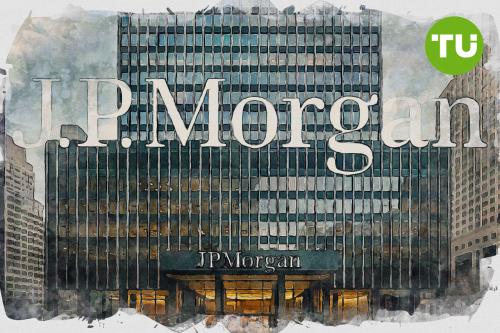
JPMorgan expands small business banking through American Dream initiative

JPMorgan on Tuesday announced its American Dream Initiative, a multi-year program that the bank says is designed to widen economic mobility in the U.S. The effort begins with small businesses, where the firm plans to expand from banking 7 million clients today to 10 million and provide nearly $80 billion in lending over the next decade. The announcement comes as surveys cited in the article show weakening public confidence in capitalism and rising cost pressure on smaller companies.
Highlights
- JPMorgan unveils the American Dream initiative with nearly $80 billion in small business lending over 10 years and plans to hire more business bankers.
- The bank's program launches as 77% of small and midsize business owners report higher costs, amid declining support for capitalism, especially among younger Americans.
- The initiative adds to JPMorgan's broader strategy, including a $1.5 trillion Security and Resiliency Initiative and recent employee-focused investment commitments.
Small business lending plan and rollout
The new program is centered on six areas, small-business growth, housing affordability, financial literacy, skills-based training, healthcare, and support for local institutions such as schools and hospitals. JPMorgan says its first focus is on small businesses, a segment facing elevated operating costs according to a November Bank of America report cited in the article. The bank also plans to hire more small business bankers and consultants as part of the expansion.JPMorgan outlines nearly $80 billion in lending over 10 years through the initiative. It does not disclose specific funding amounts for several other parts of the program, including healthcare access efforts and measures intended to improve affordability for hundreds of thousands of renters. The bank says the broader initiative rolls out over multiple years.Capitalism skepticism shapes the backdrop
The launch lands amid broader concern about the U.S. economic model, especially among younger Americans and Democrats, according to the article. A Gallup poll from September found 54% of Americans view capitalism favorably, down from 60% in 2021. The most recent Harvard Youth Poll cited in the report shows support for capitalism among people aged 18 to 29 at 39%, down from 45% in 2020.Cost pressures and labor market strains are part of that sentiment shift. The article says 77% of small and midsize business owners reported higher costs over the past year, citing Bank of America data. It also notes that some readers point to rising living costs, a difficult job market and artificial intelligence as reasons for declining trust in the economic system.Broader corporate strategy and sector implications
The American Dream Initiative adds to a series of large commitments announced by JPMorgan. In October, the bank announced a $1.5 trillion Security and Resiliency Initiative focused on defense and aerospace, frontier technologies, energy technologies and supply chains. Earlier this year, JPMorgan also said it would match the government's one-time $1,000 contribution to investment accounts for eligible newborns of U.S.-based employees under the so-called Trump Accounts program.For the financial sector, the latest initiative underscores how major banks are linking commercial expansion with social mobility themes. By concentrating first on small business banking, JPMorgan is targeting a segment with clear revenue potential while also addressing a part of the economy under pressure from inflation and financing needs. The program's broader impact will depend on how much capital is ultimately directed to housing, healthcare and community institutions beyond the headline lending commitment.We previously reported on 2024 consumer expenditure data showing a widening spending gap between the highest- and lowest-income U.S. households, with top earners underpinning a larger share of overall demand. That report also highlighted mounting pressure on lower-income consumers as wage growth slows and living costs stay elevated, with rising energy and food prices seen as a further risk to discretionary spending.





Latest JPMorgan Chase News









-
 Afghanistan
-
 Albania
-
 Algeria
-
 Angola
-
 Argentina
-
 Armenia
-
 Australia
-
 Austria
-
 Azerbaijan
-
 Bahamas
-
 Bahrain
-
 Bangladesh
-
 Belarus
-
 Belgium
-
 Bolivia
-
 Botswana
-
 Brazil
-
 Brunei
-
 Bulgaria
-
 Cambodia
-
 Cameroon
-
 Canada
-
 Chile
Chile
-
 China
China
-
 Colombia
-
 Congo
Congo
-
 Costa Rica
-
 Cote d'Ivoire
-
 Croatia
-
 Cuba
Cuba
-
 Cyprus
-
 Czechia
-
 DR Congo
-
 Denmark
-
 Dominican Republic
-
 Ecuador
-
 Egypt
Egypt
-
 El Salvador
-
 Estonia
-
 Eswatini
-
 Ethiopia
-
 Finland
-
 France
-
 Georgia
-
 Germany
-
 Ghana
Ghana
-
 Greece
-
 Haiti
Haiti
-
 Hong Kong
-
 Hungary
-
 India
India
-
 Indonesia
-
 Iran, Islamic republic
-
 Iraq
Iraq
-
 Ireland
-
 Israel
-
 Italy
Italy
-
 Jamaica
-
 Japan
Japan
-
 Jordan
-
 Kazakhstan
-
 Kenya
Kenya
-
 Korea
Korea
-
 Kuwait
-
 Kyrgyzstan
-
 Laos
Laos
-
 Latvia
-
 Lebanon
-
 Lesotho
-
 Libya
Libya
-
 Lithuania
-
 Luxembourg
-
 Madagascar
-
 Malaysia
-
 Malta
Malta
-
 Mauritius
-
 Mexico
-
 Moldova
-
 Mongolia
-
 Montenegro
-
 Morocco
-
 Mozambique
-
 Myanmar
-
 Namibia
-
 Nepal
Nepal
-
 Netherlands
-
 New Zealand
-
 Nigeria
-
 North Macedonia
-
 Norway
-
 Oman
Oman
-
 Pakistan
-
 Palestine
-
 Panama
-
 Papua New Guinea
-
 Paraguay
-
 Peru
Peru
-
 Philippines
-
 Poland
-
 Portugal
-
 Puerto Rico
-
 Qatar
Qatar
-
 Reunion
-
 Romania
-
 Rwanda
-
 Saudi Arabia
-
 Serbia
-
 Singapore
-
 Slovakia
-
 Slovenia
-
 Somalia
-
 South Africa
-
 Spain
Spain
-
 Sri Lanka
-
 Sweden
-
 Switzerland
-
 Syria
Syria
-
 Taiwan
-
 Tajikistan
-
 Tanzania
-
 Thailand
-
 Trinidad and Tobago
-
 Tunisia
-
 Turkey
-
 UAE
UAE
-
 Uganda
-
 Ukraine
-
 United Kingdom
-
United States
-
 Uruguay
-
 Uzbekistan
-
 Venezuela
-
 Vietnam
-
 Yemen
Yemen
-
 Zambia
-
 Zimbabwe
- Forex
- Crypto












