The tweet was deleted by the author.
But we saved everything 🙂.

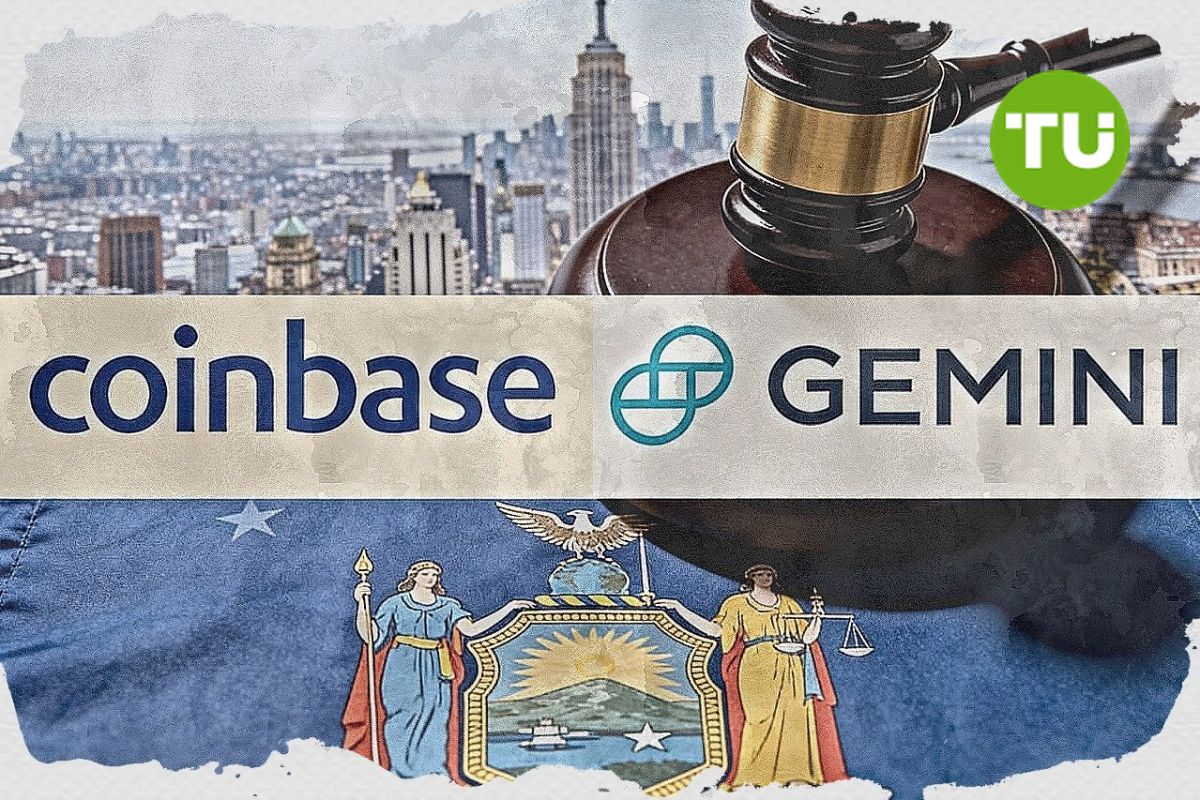
New York has become the latest state to crack down on prediction markets, filing lawsuits against two major cryptocurrency exchanges, Coinbase and Gemini. The state alleges that their prediction platforms, which allow users to bet on the outcomes of sports, entertainment, and elections, constitute unlicensed gambling operations in violation of New York law.
According to the complaints filed on Tuesday, both Coinbase and Gemini actively marketed their prediction markets and positioned themselves as bookmakers. The New York Attorney General’s office described users as “players” and argued that each contract essentially functions as a bet.
The lawsuits also claim that the platforms permit individuals aged 18 to 21 to place wagers, even though New York law prohibits anyone under 21 from participating in mobile gambling. “What the defendant offers through its platform is, in essence, gambling,” the complaint against Coinbase states. “It allows a player to stake or risk something of value upon the outcome of a chance or contingent event not under the player’s control, upon an agreement that the player will receive something of value if a certain outcome occurs.”
New York joins Nevada, Washington, and several other states that have taken legal action against prediction market operators. The core dispute centers on whether these contracts should be treated as regulated financial instruments at the federal level or as illegal sports betting under state gambling laws. The issue is currently before multiple appellate courts and is widely expected to eventually reach the U.S. Supreme Court.
Coinbase’s chief legal officer, Paul Grewal, responded on X, stating that prediction markets are “nationally regulated exchanges” and that the company intends to defend federal oversight. A Gemini spokesperson declined to comment.
View post on X Loading...
The lawsuits against Coinbase and Gemini represent a significant challenge for the rapidly growing prediction market sector within the cryptocurrency industry. The outcome could determine whether these platforms can continue operating across the United States under federal oversight or face strict state-by-state regulation as gambling operations.
A definitive ruling, particularly from the Supreme Court, would have far-reaching consequences for innovation and regulatory clarity in the digital asset space.
In an earlier report, we noted that the CLARITY Act advanced in the Senate Banking Committee amid push from lawmakers.


 Afghanistan
 Albania
 Algeria
 Angola
 Argentina
 Armenia
 Australia
 Austria
 Azerbaijan
 Bahamas
 Bahrain
 Bangladesh
 Belarus
 Belgium
 Bolivia
 Botswana
 Brazil
 Brunei
 Bulgaria
 Cambodia
 Cameroon
 Canada
 Chile
Chile
 China
China
 Colombia
 Congo
Congo
 Costa Rica
 Cote d'Ivoire
 Croatia
 Cuba
Cuba
 Cyprus
 Czechia
 DR Congo
 Denmark
 Dominican Republic
 Ecuador
 Egypt
Egypt
 El Salvador
 Estonia
 Eswatini
 Ethiopia
 Finland
 France
 Georgia
 Germany
 Ghana
Ghana
 Greece
 Haiti
Haiti
 Hong Kong
 Hungary
 India
India
 Indonesia
 Iran, Islamic republic
 Iraq
Iraq
 Ireland
 Israel
 Italy
Italy
 Jamaica
 Japan
Japan
 Jordan
 Kazakhstan
 Kenya
Kenya
 Korea
Korea
 Kuwait
 Kyrgyzstan
 Laos
Laos
 Latvia
 Lebanon
 Lesotho
 Libya
Libya
 Lithuania
 Luxembourg
 Madagascar
 Malaysia
 Malta
Malta
 Mauritius
 Mexico
 Moldova
 Mongolia
 Montenegro
 Morocco
 Mozambique
 Myanmar
 Namibia
 Nepal
Nepal
 Netherlands
 New Zealand
 Nigeria
 North Macedonia
 Norway
 Oman
Oman
 Pakistan
 Palestine
 Panama
 Papua New Guinea
 Paraguay
 Peru
Peru
 Philippines
 Poland
 Portugal
 Puerto Rico
 Qatar
Qatar
 Reunion
 Romania
 Rwanda
 Saudi Arabia
 Serbia
 Singapore
 Slovakia
 Slovenia
 Somalia
 South Africa
 Spain
Spain
 Sri Lanka
 Sweden
 Switzerland
 Syria
Syria
 Taiwan
 Tajikistan
 Tanzania
 Thailand
 Trinidad and Tobago
 Tunisia
 Turkey
 UAE
UAE
 Uganda
 Ukraine
 United Kingdom
United States
United Kingdom
United States
 Uruguay
 Uzbekistan
 Venezuela
 Vietnam
 Yemen
Yemen
 Zambia
 Zimbabwe