

Oil rises above $110 as U.S. weighs Iran proposal
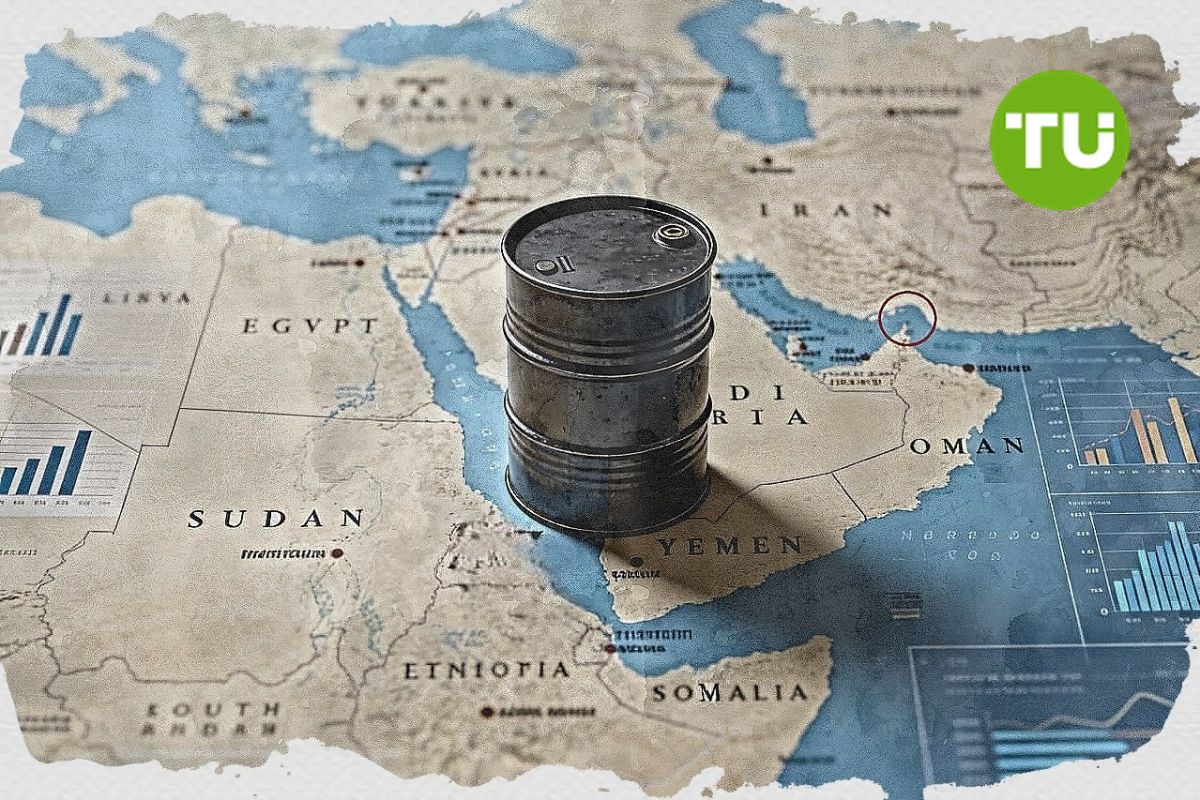
Oil prices have climbed to a three-week high, surpassing $110 per barrel. This surge comes as traders await the United States’ official response to Iran’s latest proposal to end the conflict and reopen the critical Strait of Hormuz.
Highlights
- Brent crude surpassed $111 per barrel, WTI reached $99.74.
- Oil prices hit three-week highs as markets awaited the U.S. response to Iran’s proposal.
- Daily production losses estimated at 14.5 million barrels due to the Hormuz blockade.
Sharp price increase
Brent crude rose above $111.56 per barrel, gaining more than 6% this week. West Texas Intermediate (WTI) climbed above $99.74. Goldman Sachs raised its forecasts once again, now expecting Brent to average $100 per barrel in the current quarter and $90 in the fourth quarter.
The bank warned that the loss of 14.5 million barrels per day of production in the Persian Gulf has caused an extreme drawdown in global inventories — estimated at 11–12 million barrels per day in April.
Geopolitical uncertainty
According to Bloomberg, President Donald Trump convened a meeting to discuss Iran’s proposal but maintained firm “red lines,” particularly regarding Tehran’s nuclear program. While a ceasefire is generally holding, the dual blockade by Iran and the U.S. has reduced tanker traffic through the strait to nearly zero.
Rabobank energy strategist Florence Schmit said Iran’s latest proposal appears unlikely to lead anywhere, as the U.S. is unlikely to accept it. In her view, much of the sentiment that had driven markets in recent weeks is giving way to a darker and more bullish outlook.
Additional pressure is building inside Iran. According to Kpler, the country is quickly running out of storage capacity for oil, raising the risk of further production cuts. U.S. Treasury Secretary Scott Bessent said Iran’s oil industry is starting to halt production because of the blockade.
Risks to the global economy
The prolonged closure of the Strait of Hormuz, which previously carried about one-fifth of global oil and LNG supplies, continues to threaten energy security and economic stability worldwide.
Higher energy costs are fueling inflation fears and could slow growth in many countries.
We have previously highlighted that oil prices fall as Iran agrees to attend U.S. talks in Islamabad.





Latest Iran war News



-
 Afghanistan
-
 Albania
-
 Algeria
-
 Angola
-
 Argentina
-
 Armenia
-
 Australia
-
 Austria
-
 Azerbaijan
-
 Bahamas
-
 Bahrain
-
 Bangladesh
-
 Belarus
-
 Belgium
-
 Bolivia
-
 Botswana
-
 Brazil
-
 Brunei
-
 Bulgaria
-
 Cambodia
-
 Cameroon
-
 Canada
-
 Chile
Chile
-
 China
China
-
 Colombia
-
 Congo
Congo
-
 Costa Rica
-
 Cote d'Ivoire
-
 Croatia
-
 Cuba
Cuba
-
 Cyprus
-
 Czechia
-
 DR Congo
-
 Denmark
-
 Dominican Republic
-
 Ecuador
-
 Egypt
Egypt
-
 El Salvador
-
 Estonia
-
 Eswatini
-
 Ethiopia
-
 Finland
-
 France
-
 Georgia
-
 Germany
-
 Ghana
Ghana
-
 Greece
-
 Haiti
Haiti
-
 Hong Kong
-
 Hungary
-
 India
India
-
 Indonesia
-
 Iran, Islamic republic
-
 Iraq
Iraq
-
 Ireland
-
 Israel
-
 Italy
Italy
-
 Jamaica
-
 Japan
Japan
-
 Jordan
-
 Kazakhstan
-
 Kenya
Kenya
-
 Korea
Korea
-
 Kuwait
-
 Kyrgyzstan
-
 Laos
Laos
-
 Latvia
-
 Lebanon
-
 Lesotho
-
 Libya
Libya
-
 Lithuania
-
 Luxembourg
-
 Madagascar
-
 Malaysia
-
 Malta
Malta
-
 Mauritius
-
 Mexico
-
 Moldova
-
 Mongolia
-
 Montenegro
-
 Morocco
-
 Mozambique
-
 Myanmar
-
 Namibia
-
 Nepal
Nepal
-
 Netherlands
-
 New Zealand
-
 Nigeria
-
 North Macedonia
-
 Norway
-
 Oman
Oman
-
 Pakistan
-
 Palestine
-
 Panama
-
 Papua New Guinea
-
 Paraguay
-
 Peru
Peru
-
 Philippines
-
 Poland
-
 Portugal
-
 Puerto Rico
-
 Qatar
Qatar
-
 Reunion
-
 Romania
-
 Rwanda
-
 Saudi Arabia
-
 Serbia
-
 Singapore
-
 Slovakia
-
 Slovenia
-
 Somalia
-
 South Africa
-
 Spain
Spain
-
 Sri Lanka
-
 Sweden
-
 Switzerland
-
 Syria
Syria
-
 Taiwan
-
 Tajikistan
-
 Tanzania
-
 Thailand
-
 Trinidad and Tobago
-
 Tunisia
-
 Turkey
-
 UAE
UAE
-
 Uganda
-
 Ukraine
-
 United Kingdom
-
United States
-
 Uruguay
-
 Uzbekistan
-
 Venezuela
-
 Vietnam
-
 Yemen
Yemen
-
 Zambia
-
 Zimbabwe
- Forex
- Crypto












