
Crude holds near highs as doubts grow over Trump plan for Strait of Hormuz
Oil prices steadied Monday after an early sell-off, as traders expressed skepticism about the feasibility of President Donald Trump’s plan to escort neutral vessels through the Strait of Hormuz following a reported tanker attack in the waterway.
Highlights
- Brent crude trades above $109, WTI near $103 after volatile opening.
- Traders doubt effectiveness of Trump’s announced escort plan following tanker incident.
- Ongoing blockade of the Strait of Hormuz continues to support elevated oil prices.
Hormuz tensions in focus
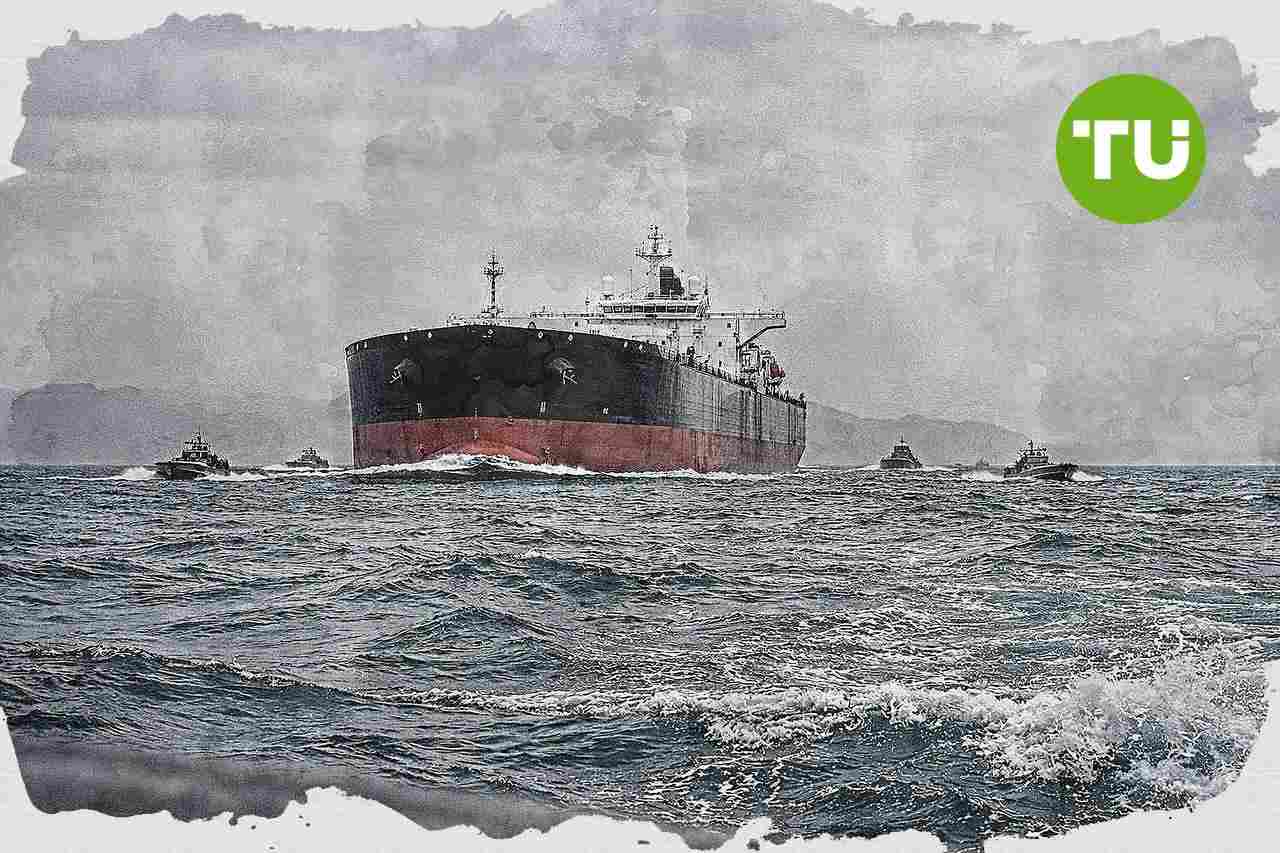
Brent crude held above $109 a barrel after falling as much as 2.4% at the open, while West Texas Intermediate traded near $103.21. The price action came after a tanker was attacked on Sunday, about 78 nautical miles north of Fujairah in the United Arab Emirates. The crew was reported safe.
Bloomberg reported that oil steadied after traders weighed Trump’s proposal for the US to help neutral ships pass through the Strait of Hormuz. The move came into focus after reports that a tanker had been hit in the waterway.
Trump said the U.S. would begin efforts Monday to help stranded vessels safely navigate the strait, promising military support including guided-missile destroyers, aircraft, and drones. However, officials indicated the current plan does not include direct U.S. Navy escorts. “We will do everything possible to safely get their ships and crews out of the strait,” Trump wrote on social media.
Iran responded coolly, calling any U.S. intervention a violation of the ceasefire.
Market reaction
Despite the geopolitical headlines, traders appeared unconvinced the plan would materially change the situation on the water. “Trump fatigue is setting in — the market isn’t taking this seriously,” said Haris Khurshid, chief investment officer at Karobaar Capital LP. “The initial drop didn’t hold, which tells you people don’t see this as something that will really move the needle.”
The strait, through which about one-fifth of global oil shipments pass, has been under dual pressure: Iran blocking exits from the Persian Gulf and the U.S. intercepting vessels linked to Iranian ports. The resulting tensions have driven oil prices sharply higher in 2026, reaching levels not seen since 2022.
OPEC+ adds another layer to the picture. Several members agreed to a modest production quota increase for June, a move aimed at signaling stability after the UAE’s exit from the group. But the increase looks limited compared with the risk surrounding a route that carries about a fifth of global oil flows.
Geopolitics keeps oil market on edge
The latest flare-up in the Strait of Hormuz underscores how quickly geopolitical developments can influence energy markets. While Trump’s statements and the U.S.
Central Command’s offer of military assets created initial volatility, the limited market reaction suggests investors are waiting for concrete actions rather than announcements. With prices already at multi-year highs, any escalation — or credible de-escalation — could trigger significant moves in the coming days.
In an earlier report, we noted that Goldman Sachs raises oil price forecasts amid Hormuz crisis.



Latest Iran war News






-
 Afghanistan
-
 Albania
-
 Algeria
-
 Angola
-
 Argentina
-
 Armenia
-
 Australia
-
 Austria
-
 Azerbaijan
-
 Bahamas
-
 Bahrain
-
 Bangladesh
-
 Belarus
-
 Belgium
-
 Bolivia
-
 Botswana
-
 Brazil
-
 Brunei
-
 Bulgaria
-
 Cambodia
-
 Cameroon
-
 Canada
-
 Chile
Chile
-
 China
China
-
 Colombia
-
 Congo
Congo
-
 Costa Rica
-
 Cote d'Ivoire
-
 Croatia
-
 Cuba
Cuba
-
 Cyprus
-
 Czechia
-
 DR Congo
-
 Denmark
-
 Dominican Republic
-
 Ecuador
-
 Egypt
Egypt
-
 El Salvador
-
 Estonia
-
 Eswatini
-
 Ethiopia
-
 Finland
-
 France
-
 Georgia
-
 Germany
-
 Ghana
Ghana
-
 Greece
-
 Haiti
Haiti
-
 Hong Kong
-
 Hungary
-
 India
India
-
 Indonesia
-
 Iran, Islamic republic
-
 Iraq
Iraq
-
 Ireland
-
 Israel
-
 Italy
Italy
-
 Jamaica
-
 Japan
Japan
-
 Jordan
-
 Kazakhstan
-
 Kenya
Kenya
-
 Korea
Korea
-
 Kuwait
-
 Kyrgyzstan
-
 Laos
Laos
-
 Latvia
-
 Lebanon
-
 Lesotho
-
 Libya
Libya
-
 Lithuania
-
 Luxembourg
-
 Madagascar
-
 Malaysia
-
 Malta
Malta
-
 Mauritius
-
 Mexico
-
 Moldova
-
 Mongolia
-
 Montenegro
-
 Morocco
-
 Mozambique
-
 Myanmar
-
 Namibia
-
 Nepal
Nepal
-
 Netherlands
-
 New Zealand
-
 Nigeria
-
 North Macedonia
-
 Norway
-
 Oman
Oman
-
 Pakistan
-
 Palestine
-
 Panama
-
 Papua New Guinea
-
 Paraguay
-
 Peru
Peru
-
 Philippines
-
 Poland
-
 Portugal
-
 Puerto Rico
-
 Qatar
Qatar
-
 Reunion
-
 Romania
-
 Rwanda
-
 Saudi Arabia
-
 Serbia
-
 Singapore
-
 Slovakia
-
 Slovenia
-
 Somalia
-
 South Africa
-
 Spain
Spain
-
 Sri Lanka
-
 Sweden
-
 Switzerland
-
 Syria
Syria
-
 Taiwan
-
 Tajikistan
-
 Tanzania
-
 Thailand
-
 Trinidad and Tobago
-
 Tunisia
-
 Turkey
-
 UAE
UAE
-
 Uganda
-
 Ukraine
-
 United Kingdom
-
United States
-
 Uruguay
-
 Uzbekistan
-
 Venezuela
-
 Vietnam
-
 Yemen
Yemen
-
 Zambia
-
 Zimbabwe
- Forex
- Crypto











