
White House signals U.S. bitcoin reserve update in coming weeks
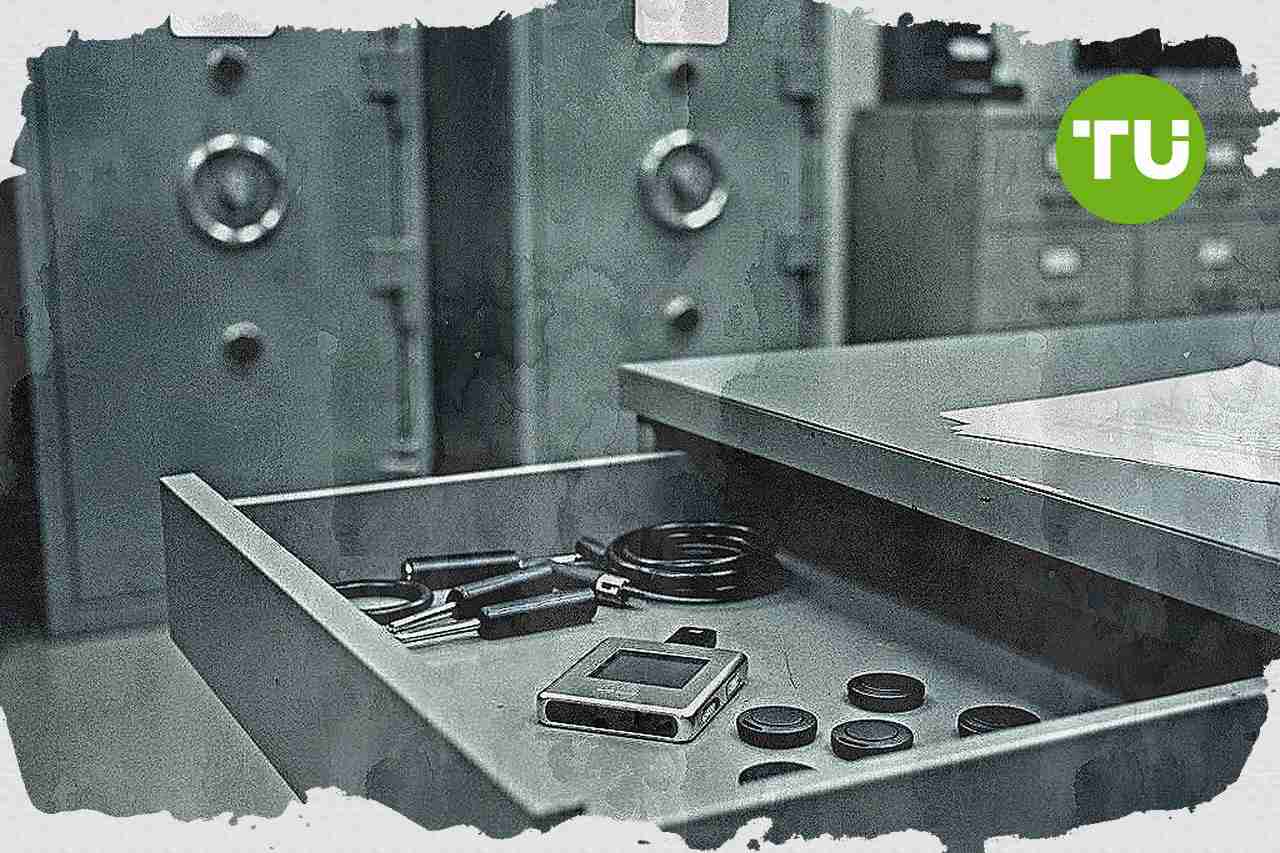
The White House is preparing to provide an update within weeks on the long-awaited U.S. Strategic Bitcoin Reserve, as federal agencies continue work on inventorying and securing government-held digital assets. The effort follows an executive order by President Donald Trump and comes amid concerns over how agencies have stored seized crypto and whether existing legal authority is sufficient for long-term custody.
Highlights
- White House advisor Patrick Witt announced a forthcoming update in the next few weeks on the U.S. Strategic Bitcoin Reserve, after months of consolidation efforts.
- Recent incidents, including a $60 million late-2025 hack of U.S. Marshals Service digital-asset wallets, have prompted plans for tighter and more centralized federal crypto custody.
- Witt emphasized that legislative support—such as the BITCOIN Act and American Reserves Modernization Act—is still required for the bitcoin reserve, affecting the policy's implementation timetable.
Reserve framework and custody plans
As reported by CoinDesk, Patrick Witt, executive director of the President's Council of Advisors for Digital Assets, says an announcement on the U.S. Strategic Bitcoin Reserve is coming in the next few weeks after months of behind-the-scenes work to centralize and safeguard federal crypto holdings.Speaking at CoinDesk's Consensus Miami conference on Wednesday, Witt says the administration halted what he described as "fire sale" liquidations under the previous administration after Trump's executive order directed that bitcoin and other crypto assets be set aside as long-term holdings. He says agencies are auditing what digital assets they hold, while officials work through how those assets should be secured and managed.
Witt says some agency storage practices highlighted the need for tighter controls, including confirmed accounts of cold wallets being kept in desk drawers. He also points to a recent exploit involving assets held by the U.S. Marshals Service as evidence that digital-asset custody requires a more centralized approach. Bloomberg reported in January that the Marshals Service was investigating a possible hack of U.S. government digital-asset accounts after on-chain investigator ZachXBT said a hacker stole more than $60 million in late 2025, including funds from government seizure wallets.
He declines to say how much bitcoin or other crypto the federal government currently holds, adding that officials want to ensure proper custody before discussing the reserve's scale. Witt also says not every newly seized token will automatically enter the reserve, because assets tied to active legal proceedings remain pending until forfeiture is finalized and may first be returned to victims through restitution.
Legal hurdles and broader policy impact
Witt says much of the internal work has focused on legal questions over which authorities allow agencies to hold digital assets, how long they can retain them and whether those holdings could be subject to congressional clawback. He says those issues had not been fully explored before the president signed the executive order.He also says the reserve will ultimately need legislative backing from Congress, pointing to Sen. Cynthia Lummis's BITCOIN Act and Rep. Nick Begich's American Reserves Modernization Act in the U.S. House of Representatives. That need for statutory support remains a major constraint on the process, with the timing of any reserve bill still uncertain.
For the digital-asset sector, the pending update is likely to shape expectations around how the U.S. government treats seized crypto as a strategic holding rather than as property for routine liquidation. It also signals that custody standards, legal authority and asset segregation between bitcoin and other tokens are becoming central policy issues for federal agencies.
Our earlier report on the White House’s push for landmark federal crypto legislation outlined the administration’s goal of getting a comprehensive regulatory package to the president’s desk by July 4. We noted that the proposal would split oversight between the CFTC and SEC, while negotiations have been shaped by disputes over stablecoin rewards and a growing push for an ethics provision to secure bipartisan support.


Latest Government News







-
 Afghanistan
-
 Albania
-
 Algeria
-
 Angola
-
 Argentina
-
 Armenia
-
 Australia
-
 Austria
-
 Azerbaijan
-
 Bahamas
-
 Bahrain
-
 Bangladesh
-
 Belarus
-
 Belgium
-
 Bolivia
-
 Botswana
-
 Brazil
-
 Brunei
-
 Bulgaria
-
 Cambodia
-
 Cameroon
-
 Canada
-
 Chile
Chile
-
 China
China
-
 Colombia
-
 Congo
Congo
-
 Costa Rica
-
 Cote d'Ivoire
-
 Croatia
-
 Cuba
Cuba
-
 Cyprus
-
 Czechia
-
 DR Congo
-
 Denmark
-
 Dominican Republic
-
 Ecuador
-
 Egypt
Egypt
-
 El Salvador
-
 Estonia
-
 Eswatini
-
 Ethiopia
-
 Finland
-
 France
-
 Georgia
-
 Germany
-
 Ghana
Ghana
-
 Greece
-
 Haiti
Haiti
-
 Hong Kong
-
 Hungary
-
 India
India
-
 Indonesia
-
 Iran, Islamic republic
-
 Iraq
Iraq
-
 Ireland
-
 Israel
-
 Italy
Italy
-
 Jamaica
-
 Japan
Japan
-
 Jordan
-
 Kazakhstan
-
 Kenya
Kenya
-
 Korea
Korea
-
 Kuwait
-
 Kyrgyzstan
-
 Laos
Laos
-
 Latvia
-
 Lebanon
-
 Lesotho
-
 Libya
Libya
-
 Lithuania
-
 Luxembourg
-
 Madagascar
-
 Malaysia
-
 Malta
Malta
-
 Mauritius
-
 Mexico
-
 Moldova
-
 Mongolia
-
 Montenegro
-
 Morocco
-
 Mozambique
-
 Myanmar
-
 Namibia
-
 Nepal
Nepal
-
 Netherlands
-
 New Zealand
-
 Nigeria
-
 North Macedonia
-
 Norway
-
 Oman
Oman
-
 Pakistan
-
 Palestine
-
 Panama
-
 Papua New Guinea
-
 Paraguay
-
 Peru
Peru
-
 Philippines
-
 Poland
-
 Portugal
-
 Puerto Rico
-
 Qatar
Qatar
-
 Reunion
-
 Romania
-
 Rwanda
-
 Saudi Arabia
-
 Serbia
-
 Singapore
-
 Slovakia
-
 Slovenia
-
 Somalia
-
 South Africa
-
 Spain
Spain
-
 Sri Lanka
-
 Sweden
-
 Switzerland
-
 Syria
Syria
-
 Taiwan
-
 Tajikistan
-
 Tanzania
-
 Thailand
-
 Trinidad and Tobago
-
 Tunisia
-
 Turkey
-
 UAE
UAE
-
 Uganda
-
 Ukraine
-
 United Kingdom
-
United States
-
 Uruguay
-
 Uzbekistan
-
 Venezuela
-
 Vietnam
-
 Yemen
Yemen
-
 Zambia
-
 Zimbabwe
- Forex
- Crypto












