
Markey seeks FTC probe into oil and gas pricing as U.S. gasoline costs climb
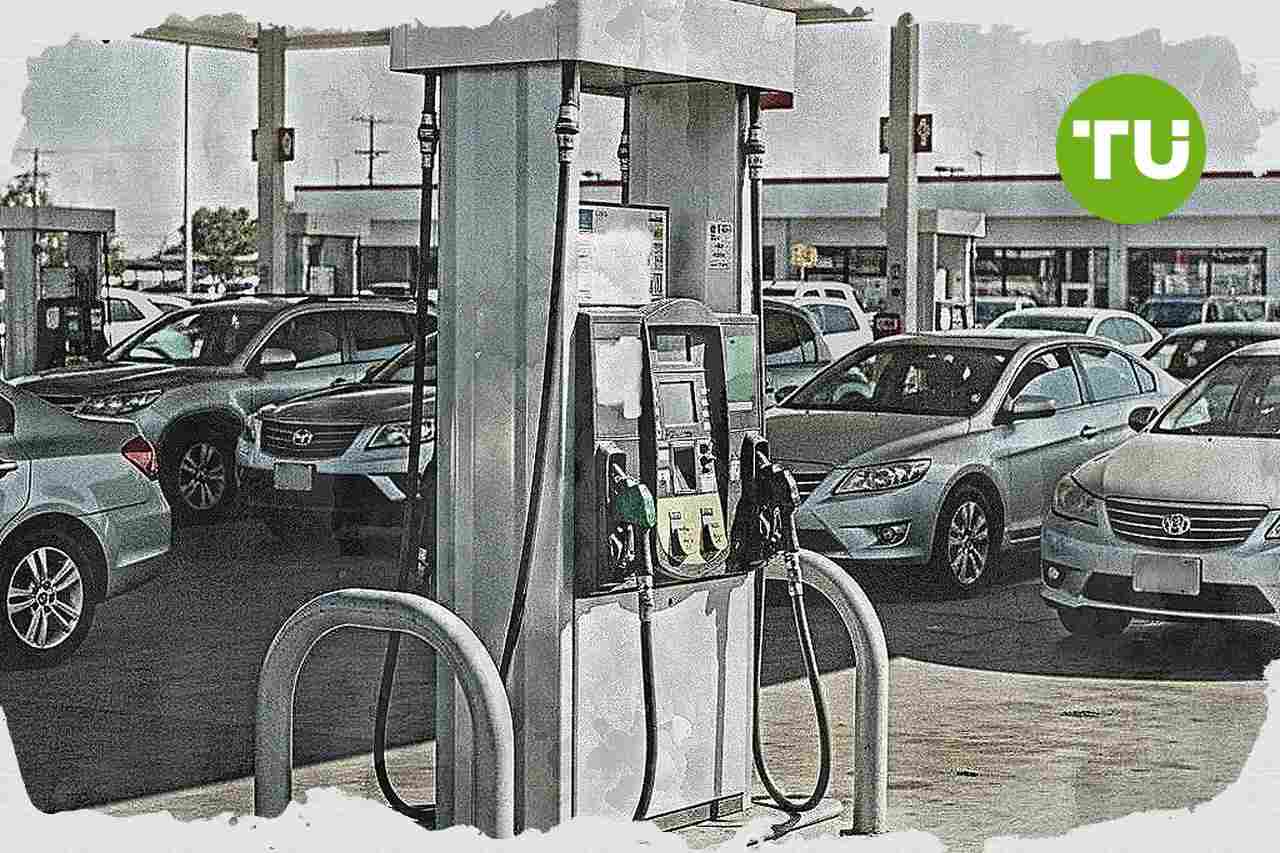
U.S. gasoline prices are rising above $4.50 a gallon as the war in Iran adds pressure to household and small business budgets. Against that backdrop, Senator Edward J. Markey is calling for a federal investigation into whether major oil and gas companies are inflating pump prices through anti-competitive conduct.
Highlights
- Senator Markey sent a letter on May 13 urging FTC Chairman Andrew Ferguson to investigate large oil and gas companies for potential price gouging, market manipulation, or anti-competitive pricing practices.
- U.S. national average gasoline price has risen to $4.52 a gallon from $2.98 pre-war, costing drivers over $740 in additional annual fuel expenses per vehicle.
- Markey claims elevated gasoline prices coincide with extraordinary oil industry profits, prompting calls for scrutiny of supply adjustments, export prioritization, and possible unlawful price maintenance.
FTC inquiry request targets pricing practices
As reported by the Senate Committee on Small Business and Entrepreneurship, Markey sends a letter on May 13 to Federal Trade Commission Chairman Andrew Ferguson urging an investigation into whether large oil and gas companies are engaging in price gouging, market manipulation, or anti-competitive pricing practices.Markey says the national average price for regular gasoline now stands at $4.52 a gallon, up from $2.98 before the war began. He argues that, at that level, U.S. drivers face more than $740 in additional annual fuel costs per vehicle, adding to wider pressure from tariffs, electricity prices, and healthcare expenses.
The letter asks the FTC to examine whether major producers are coordinating, explicitly or tacitly, to maintain elevated retail gasoline prices. It also calls for scrutiny of whether companies are adjusting domestic supply, prioritizing high export volumes, benefiting from the "rockets and feathers" pricing pattern, or using franchise relationships in ways that amount to unlawful price maintenance or anti-competitive coordination.
Political and economic pressure builds
Markey argues that higher gasoline prices are occurring alongside what he describes as extraordinary profit-taking by the oil and gas industry, rather than only reflecting supply chain disruption tied to the conflict. He says that if the war were the sole driver, rising pump prices would be accompanied by neutral or weaker profits rather than windfall gains.The letter is part of a broader campaign by Markey focused on the economic effects of the war on consumers and small businesses. In recent months, he has released data on fuel-cost impacts, pressed the Bureau of Labor Statistics for more transparency on the war's economic consequences, and sent letters to major oil company executives warning against rewarding management with profits linked to rising oil prices.
Our earlier analysis of Chevron’s Q1 2026 results highlighted the company’s strong earnings, higher production after the Hess acquisition, and continued shareholder returns through dividend growth and buybacks. We also noted that CVX was consolidating below key resistance despite solid fundamentals, reflecting cautious near-term market sentiment toward the oil and gas sector.











-
 Afghanistan
-
 Albania
-
 Algeria
-
 Angola
-
 Argentina
-
 Armenia
-
 Australia
-
 Austria
-
 Azerbaijan
-
 Bahamas
-
 Bahrain
-
 Bangladesh
-
 Belarus
-
 Belgium
-
 Bolivia
-
 Botswana
-
 Brazil
-
 Brunei
-
 Bulgaria
-
 Cambodia
-
 Cameroon
-
 Canada
-
 Chile
Chile
-
 China
China
-
 Colombia
-
 Congo
Congo
-
 Costa Rica
-
 Cote d'Ivoire
-
 Croatia
-
 Cuba
Cuba
-
 Cyprus
-
 Czechia
-
 DR Congo
-
 Denmark
-
 Dominican Republic
-
 Ecuador
-
 Egypt
Egypt
-
 El Salvador
-
 Estonia
-
 Eswatini
-
 Ethiopia
-
 Finland
-
 France
-
 Georgia
-
 Germany
-
 Ghana
Ghana
-
 Greece
-
 Haiti
Haiti
-
 Hong Kong
-
 Hungary
-
 India
India
-
 Indonesia
-
 Iran, Islamic republic
-
 Iraq
Iraq
-
 Ireland
-
 Israel
-
 Italy
Italy
-
 Jamaica
-
 Japan
Japan
-
 Jordan
-
 Kazakhstan
-
 Kenya
Kenya
-
 Korea
Korea
-
 Kuwait
-
 Kyrgyzstan
-
 Laos
Laos
-
 Latvia
-
 Lebanon
-
 Lesotho
-
 Libya
Libya
-
 Lithuania
-
 Luxembourg
-
 Madagascar
-
 Malaysia
-
 Malta
Malta
-
 Mauritius
-
 Mexico
-
 Moldova
-
 Mongolia
-
 Montenegro
-
 Morocco
-
 Mozambique
-
 Myanmar
-
 Namibia
-
 Nepal
Nepal
-
 Netherlands
-
 New Zealand
-
 Nigeria
-
 North Macedonia
-
 Norway
-
 Oman
Oman
-
 Pakistan
-
 Palestine
-
 Panama
-
 Papua New Guinea
-
 Paraguay
-
 Peru
Peru
-
 Philippines
-
 Poland
-
 Portugal
-
 Puerto Rico
-
 Qatar
Qatar
-
 Reunion
-
 Romania
-
 Rwanda
-
 Saudi Arabia
-
 Serbia
-
 Singapore
-
 Slovakia
-
 Slovenia
-
 Somalia
-
 South Africa
-
 Spain
Spain
-
 Sri Lanka
-
 Sweden
-
 Switzerland
-
 Syria
Syria
-
 Taiwan
-
 Tajikistan
-
 Tanzania
-
 Thailand
-
 Trinidad and Tobago
-
 Tunisia
-
 Turkey
-
 UAE
UAE
-
 Uganda
-
 Ukraine
-
 United Kingdom
-
United States
-
 Uruguay
-
 Uzbekistan
-
 Venezuela
-
 Vietnam
-
 Yemen
Yemen
-
 Zambia
-
 Zimbabwe
- Forex
- Crypto












