
U.S. outlines trade, supply chain and security priorities in China talks
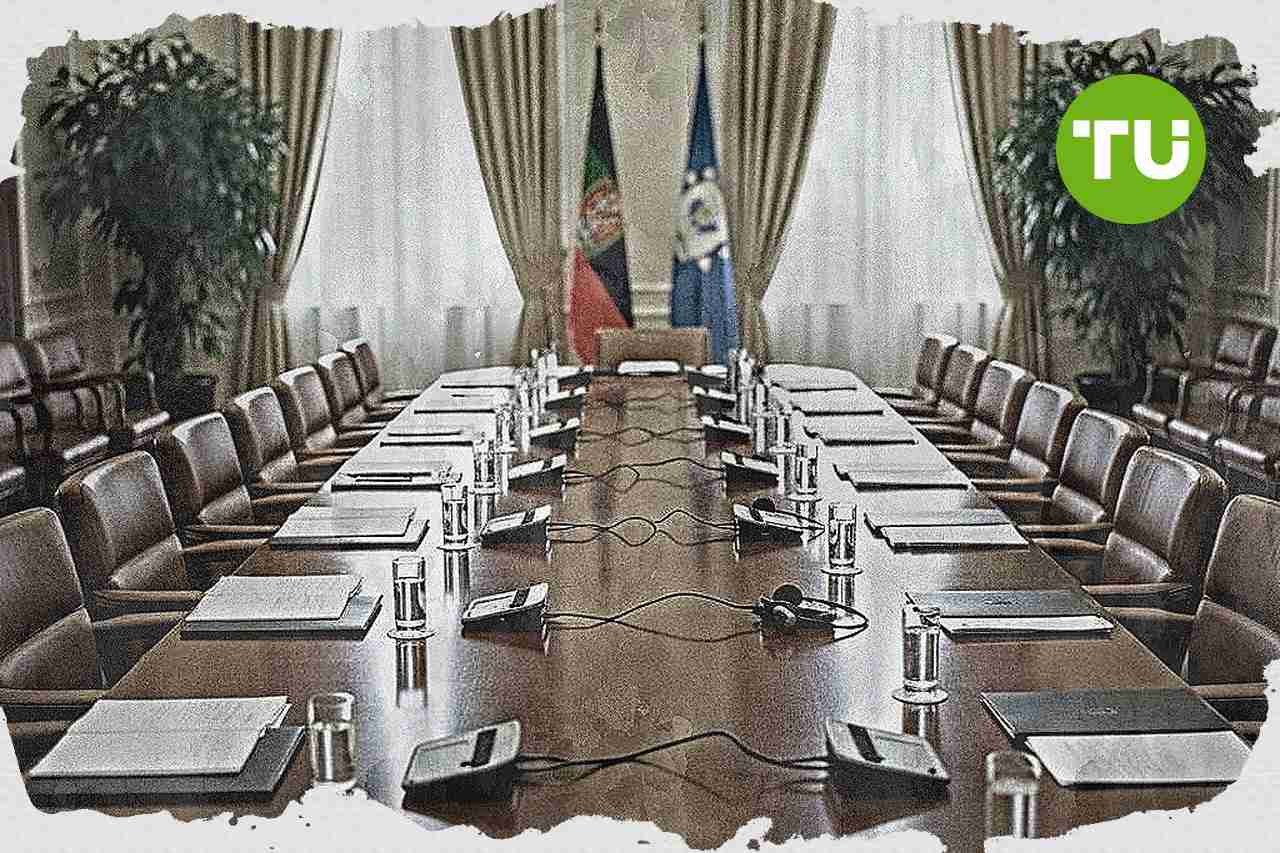
Amid talks in Beijing on May 14, 2026, the U.S. administration is presenting its approach to managing economic and security tensions with China. The discussion spans trade negotiations, industrial policy, Taiwan and Iran, underscoring how bilateral ties affect broader global stability.
Highlights
- Secretary of State Marco Rubio emphasizes U.S. priorities of reindustrialization and supply chain security in talks with China, citing industrial sector competition such as lithium batteries.
- Rubio highlights ongoing U.S.-China negotiations for new trade, agricultural, and energy agreements, focusing on fair competition and international stability.
- Taiwan and Iranian security remain central topics, with the U.S. opposing forced changes to Taiwan's status and seeking Chinese cooperation to prevent Iranian militarization in the Strait of Hormuz.
Beijing talks cover trade and industrial strategy
As reported by the U.S. Department of State, Secretary of State Marco Rubio says sustained dialogue with China is necessary because the two countries remain among the world’s largest economies and militaries. He says managing disagreements is important not only for Washington and Beijing, but also for international stability.Rubio says the U.S. must address deindustrialization and rebuild domestic manufacturing capacity as China seeks to dominate sectors including lithium batteries. He frames reindustrialization and supply chain security as central to U.S. economic strategy, while also calling for fair competition with China.
He also points to ongoing negotiations and the need for additional agreements in areas such as trade, agricultural purchases and energy supplies. Rubio says strategic stability between the U.S. and China remains essential for both sides as discussions continue.
Taiwan and Iran remain key security concerns
On Taiwan, Rubio reiterates that U.S. policy remains consistent and says any forced change to the status quo would be harmful to both countries. He acknowledges China’s desire for Taiwan, but says the relationship cannot be altered through coercion.Rubio also discusses Iran, saying China does not support militarization of the Strait of Hormuz or Iranian actions that threaten international waters. He says the main objective is to prevent Iran from obtaining nuclear capabilities and to preserve regional stability.
In our earlier report on Congress’s review of the Army’s FY27 budget request, House Armed Services Committee Chairman Mike Rogers urged rebuilding the organic and broader defense industrial base as essential to military readiness. The proposed defense budget emphasized large investments in domestic manufacturing capacity, critical minerals, and supply chain security, alongside efforts to streamline acquisition and speed up fielding new capabilities.










-
 Afghanistan
-
 Albania
-
 Algeria
-
 Angola
-
 Argentina
-
 Armenia
-
 Australia
-
 Austria
-
 Azerbaijan
-
 Bahamas
-
 Bahrain
-
 Bangladesh
-
 Belarus
-
 Belgium
-
 Bolivia
-
 Botswana
-
 Brazil
-
 Brunei
-
 Bulgaria
-
 Cambodia
-
 Cameroon
-
 Canada
-
 Chile
Chile
-
 China
China
-
 Colombia
-
 Congo
Congo
-
 Costa Rica
-
 Cote d'Ivoire
-
 Croatia
-
 Cuba
Cuba
-
 Cyprus
-
 Czechia
-
 DR Congo
-
 Denmark
-
 Dominican Republic
-
 Ecuador
-
 Egypt
Egypt
-
 El Salvador
-
 Estonia
-
 Eswatini
-
 Ethiopia
-
 Finland
-
 France
-
 Georgia
-
 Germany
-
 Ghana
Ghana
-
 Greece
-
 Haiti
Haiti
-
 Hong Kong
-
 Hungary
-
 India
India
-
 Indonesia
-
 Iran, Islamic republic
-
 Iraq
Iraq
-
 Ireland
-
 Israel
-
 Italy
Italy
-
 Jamaica
-
 Japan
Japan
-
 Jordan
-
 Kazakhstan
-
 Kenya
Kenya
-
 Korea
Korea
-
 Kuwait
-
 Kyrgyzstan
-
 Laos
Laos
-
 Latvia
-
 Lebanon
-
 Lesotho
-
 Libya
Libya
-
 Lithuania
-
 Luxembourg
-
 Madagascar
-
 Malaysia
-
 Malta
Malta
-
 Mauritius
-
 Mexico
-
 Moldova
-
 Mongolia
-
 Montenegro
-
 Morocco
-
 Mozambique
-
 Myanmar
-
 Namibia
-
 Nepal
Nepal
-
 Netherlands
-
 New Zealand
-
 Nigeria
-
 North Macedonia
-
 Norway
-
 Oman
Oman
-
 Pakistan
-
 Palestine
-
 Panama
-
 Papua New Guinea
-
 Paraguay
-
 Peru
Peru
-
 Philippines
-
 Poland
-
 Portugal
-
 Puerto Rico
-
 Qatar
Qatar
-
 Reunion
-
 Romania
-
 Rwanda
-
 Saudi Arabia
-
 Serbia
-
 Singapore
-
 Slovakia
-
 Slovenia
-
 Somalia
-
 South Africa
-
 Spain
Spain
-
 Sri Lanka
-
 Sweden
-
 Switzerland
-
 Syria
Syria
-
 Taiwan
-
 Tajikistan
-
 Tanzania
-
 Thailand
-
 Trinidad and Tobago
-
 Tunisia
-
 Turkey
-
 UAE
UAE
-
 Uganda
-
 Ukraine
-
 United Kingdom
-
United States
-
 Uruguay
-
 Uzbekistan
-
 Venezuela
-
 Vietnam
-
 Yemen
Yemen
-
 Zambia
-
 Zimbabwe
- Forex
- Crypto











