
On 4-hour chart, WTI fell toward 70.6 after failing to hold above 72.0-72.5. Price remains below key moving averages, while structure keeps downward bias.

Nearest support is around 70.0; break below it could open path toward 68.5-67.5. Resistance is now located in 72.0-73.0 zone, while 75.0-76.0 remains important barrier higher.
Geopolitical factor
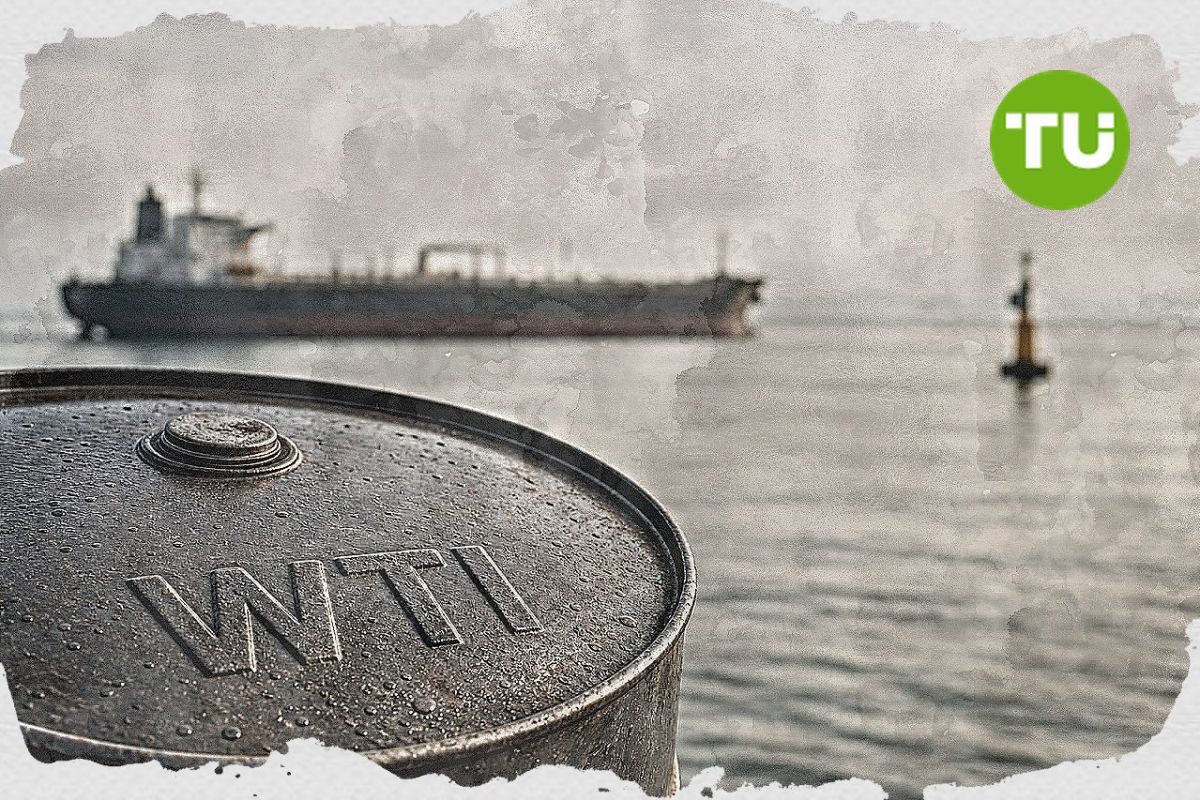
Oil continues to decline despite persistent risks around Strait of Hormuz. Market is reacting more to recovering tanker traffic and easing fears over supply disruptions. According to WSJ, WTI was down around 2.1% to $70.38 on June 26, while Brent slipped to $74.03.
US inventories
EIA report for week ending June 19 showed US commercial crude inventories fell by 6.1 million barrels to 412.1 million. This is supportive factor, but its impact was limited by rising petroleum product stocks and weaker gasoline demand. As result, market has not yet treated data as sufficient reason for upside reversal.
Supply-demand balance
Additional pressure on prices comes from expectations of higher OPEC+ supply after group previously agreed to increase July quotas. Actual impact still depends on Persian Gulf logistics and stability of flows through Hormuz. While shortage fears are easing, sellers keep advantage on rebounds.
Conclusion
Baseline scenario for WTI remains cautiously negative while price trades below 72.0-73.0. Chart shows that recovery attempts are quickly sold, while 70.0 area is becoming key level for coming sessions. If buyers defend it, another rebound toward 72.0 is possible; break lower would increase risk of move toward 68.5-67.5, as already noted in WTI slides toward pre-war levels as Strait of Hormuz shipping resumes.


Latest WTI News






-
 Afghanistan
-
 Albania
-
 Algeria
-
 Angola
-
 Argentina
-
 Armenia
-
 Australia
-
 Austria
-
 Azerbaijan
-
 Bahamas
-
 Bahrain
-
 Bangladesh
-
 Belarus
-
 Belgium
-
 Bolivia
-
 Botswana
-
 Brazil
-
 Brunei
-
 Bulgaria
-
 Cambodia
-
 Cameroon
-
 Canada
-
 Chile
Chile
-
 China
China
-
 Colombia
-
 Congo
Congo
-
 Costa Rica
-
 Cote d'Ivoire
-
 Croatia
-
 Cuba
Cuba
-
 Cyprus
-
 Czechia
-
 DR Congo
-
 Denmark
-
 Dominican Republic
-
 Ecuador
-
 Egypt
Egypt
-
 El Salvador
-
 Estonia
-
 Eswatini
-
 Ethiopia
-
 Finland
-
 France
-
 Georgia
-
 Germany
-
 Ghana
Ghana
-
 Greece
-
 Haiti
Haiti
-
 Hong Kong
-
 Hungary
-
 India
India
-
 Indonesia
-
 Iran, Islamic republic
-
 Iraq
Iraq
-
 Ireland
-
 Israel
-
 Italy
Italy
-
 Jamaica
-
 Japan
Japan
-
 Jordan
-
 Kazakhstan
-
 Kenya
Kenya
-
 Korea
Korea
-
 Kuwait
-
 Kyrgyzstan
-
 Laos
Laos
-
 Latvia
-
 Lebanon
-
 Lesotho
-
 Libya
Libya
-
 Lithuania
-
 Luxembourg
-
 Madagascar
-
 Malaysia
-
 Malta
Malta
-
 Mauritius
-
 Mexico
-
 Moldova
-
 Mongolia
-
 Montenegro
-
 Morocco
-
 Mozambique
-
 Myanmar
-
 Namibia
-
 Nepal
Nepal
-
 Netherlands
-
 New Zealand
-
 Nigeria
-
 North Macedonia
-
 Norway
-
 Oman
Oman
-
 Pakistan
-
 Palestine
-
 Panama
-
 Papua New Guinea
-
 Paraguay
-
 Peru
Peru
-
 Philippines
-
 Poland
-
 Portugal
-
 Puerto Rico
-
 Qatar
Qatar
-
 Reunion
-
 Romania
-
 Rwanda
-
 Saudi Arabia
-
 Serbia
-
 Singapore
-
 Slovakia
-
 Slovenia
-
 Somalia
-
 South Africa
-
 Spain
Spain
-
 Sri Lanka
-
 Sweden
-
 Switzerland
-
 Syria
Syria
-
 Taiwan
-
 Tajikistan
-
 Tanzania
-
 Thailand
-
 Trinidad and Tobago
-
 Tunisia
-
 Turkey
-
 UAE
UAE
-
 Uganda
-
 Ukraine
-
 United Kingdom
-
United States
-
 Uruguay
-
 Uzbekistan
-
 Venezuela
-
 Vietnam
-
 Yemen
Yemen
-
 Zambia
-
 Zimbabwe
- Forex
- Crypto












