
Trump delays decision on $14 billion arms sale to Taiwan after Xi summit
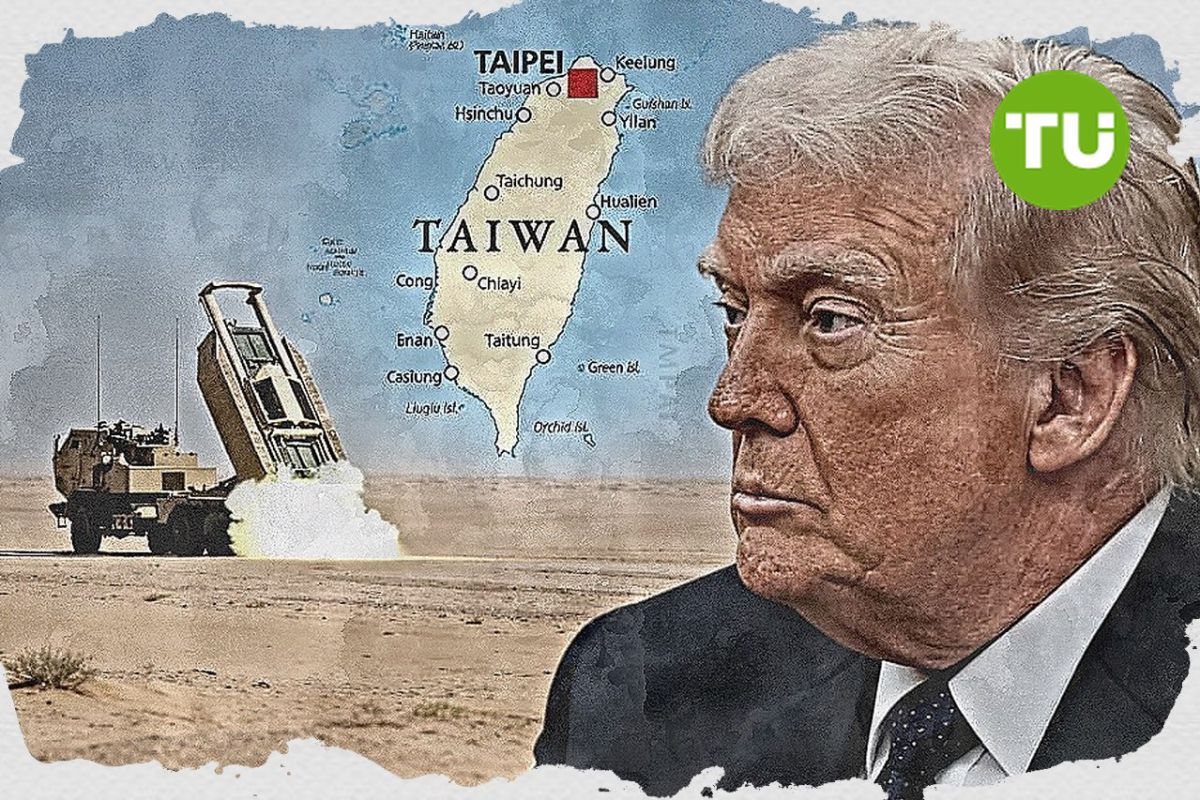
U.S. President Donald Trump said he has not yet decided whether to approve a major $14 billion U.S. arms sale to Taiwan. The statement came after a two-day summit in Beijing, where Chinese President Xi Jinping directly warned the U.S. president about the danger of taking the “wrong approach” to the Taiwan issue.
Highlights
- Trump delayed a decision on a $14 billion arms sale to Taiwan after talks with Xi Jinping.
- The Chinese leader warned about the danger of taking the wrong approach to the Taiwan issue.
- Preliminary agreements were reached on Boeing purchases and agricultural products.
- The situation around Iran was discussed, but China made no specific commitments.
- The summit was constructive in tone but produced no major breakthroughs.
Summit results and the Taiwan position
The talks in Beijing took place amid formal courtesy and elaborate ceremony, but produced no breakthrough agreements, the FT reported. Trump told reporters aboard Air Force One that the two leaders had discussed the situation around Taiwan in detail. Xi Jinping stressed that the issue is central to bilateral relations and that any wrong decision could lead to a serious conflict.
The U.S. president said he listened carefully to his counterpart but did not give specific answers. It remains unclear whether the arms deal was discussed directly. Such a conversation would break with established practice, under which Washington does not consult Beijing on military assistance to Taipei.
Trade agreements and other issues
Despite tensions over Taiwan, the two sides discussed economic cooperation. Trump said China intends to buy up to 750 Boeing aircraft and large quantities of soybeans. The issue of Iran and the reopening of the Strait of Hormuz was also raised, but China made no public commitments to pressure Tehran.
The summit ended in the traditional format for such meetings: a walk through the historic garden at Zhongnanhai and a working lunch. Trump was accompanied by a prominent U.S. business delegation, including the heads of Apple and Tesla. Both sides tried to emphasize the constructive nature of the dialogue and their intention to build “strategic stability” in relations over the coming years.
A fragile balance in U.S.-China relations
Trump’s visit to Beijing was the first trip to China by a sitting U.S. president in nine years and highlighted the complexity of modern bilateral relations. On one side, deep strategic rivalry remains, especially over Taiwan. On the other, both countries are interested in preserving trade and economic ties.
The delayed decision on arms for Taiwan shows that Washington is trying to preserve room for maneuver and avoid pushing the situation to the limit. For Beijing, this approach is also useful: it gains time and keeps space for continued economic pressure. The coming months will show how durable this fragile balance proves to be.
We also previously reported that Trump faces a fine for the delayed disclosure of stock trades.




Latest Finance News










-
 Afghanistan
-
 Albania
-
 Algeria
-
 Angola
-
 Argentina
-
 Armenia
-
 Australia
-
 Austria
-
 Azerbaijan
-
 Bahamas
-
 Bahrain
-
 Bangladesh
-
 Belarus
-
 Belgium
-
 Bolivia
-
 Botswana
-
 Brazil
-
 Brunei
-
 Bulgaria
-
 Cambodia
-
 Cameroon
-
 Canada
-
 Chile
Chile
-
 China
China
-
 Colombia
-
 Congo
Congo
-
 Costa Rica
-
 Cote d'Ivoire
-
 Croatia
-
 Cuba
Cuba
-
 Cyprus
-
 Czechia
-
 DR Congo
-
 Denmark
-
 Dominican Republic
-
 Ecuador
-
 Egypt
Egypt
-
 El Salvador
-
 Estonia
-
 Eswatini
-
 Ethiopia
-
 Finland
-
 France
-
 Georgia
-
 Germany
-
 Ghana
Ghana
-
 Greece
-
 Haiti
Haiti
-
 Hong Kong
-
 Hungary
-
 India
India
-
 Indonesia
-
 Iran, Islamic republic
-
 Iraq
Iraq
-
 Ireland
-
 Israel
-
 Italy
Italy
-
 Jamaica
-
 Japan
Japan
-
 Jordan
-
 Kazakhstan
-
 Kenya
Kenya
-
 Korea
Korea
-
 Kuwait
-
 Kyrgyzstan
-
 Laos
Laos
-
 Latvia
-
 Lebanon
-
 Lesotho
-
 Libya
Libya
-
 Lithuania
-
 Luxembourg
-
 Madagascar
-
 Malaysia
-
 Malta
Malta
-
 Mauritius
-
 Mexico
-
 Moldova
-
 Mongolia
-
 Montenegro
-
 Morocco
-
 Mozambique
-
 Myanmar
-
 Namibia
-
 Nepal
Nepal
-
 Netherlands
-
 New Zealand
-
 Nigeria
-
 North Macedonia
-
 Norway
-
 Oman
Oman
-
 Pakistan
-
 Palestine
-
 Panama
-
 Papua New Guinea
-
 Paraguay
-
 Peru
Peru
-
 Philippines
-
 Poland
-
 Portugal
-
 Puerto Rico
-
 Qatar
Qatar
-
 Reunion
-
 Romania
-
 Rwanda
-
 Saudi Arabia
-
 Serbia
-
 Singapore
-
 Slovakia
-
 Slovenia
-
 Somalia
-
 South Africa
-
 Spain
Spain
-
 Sri Lanka
-
 Sweden
-
 Switzerland
-
 Syria
Syria
-
 Taiwan
-
 Tajikistan
-
 Tanzania
-
 Thailand
-
 Trinidad and Tobago
-
 Tunisia
-
 Turkey
-
 UAE
UAE
-
 Uganda
-
 Ukraine
-
 United Kingdom
-
United States
-
 Uruguay
-
 Uzbekistan
-
 Venezuela
-
 Vietnam
-
 Yemen
Yemen
-
 Zambia
-
 Zimbabwe
- Forex
- Crypto












