
Iran war rattles $50 trillion safe-haven debt market
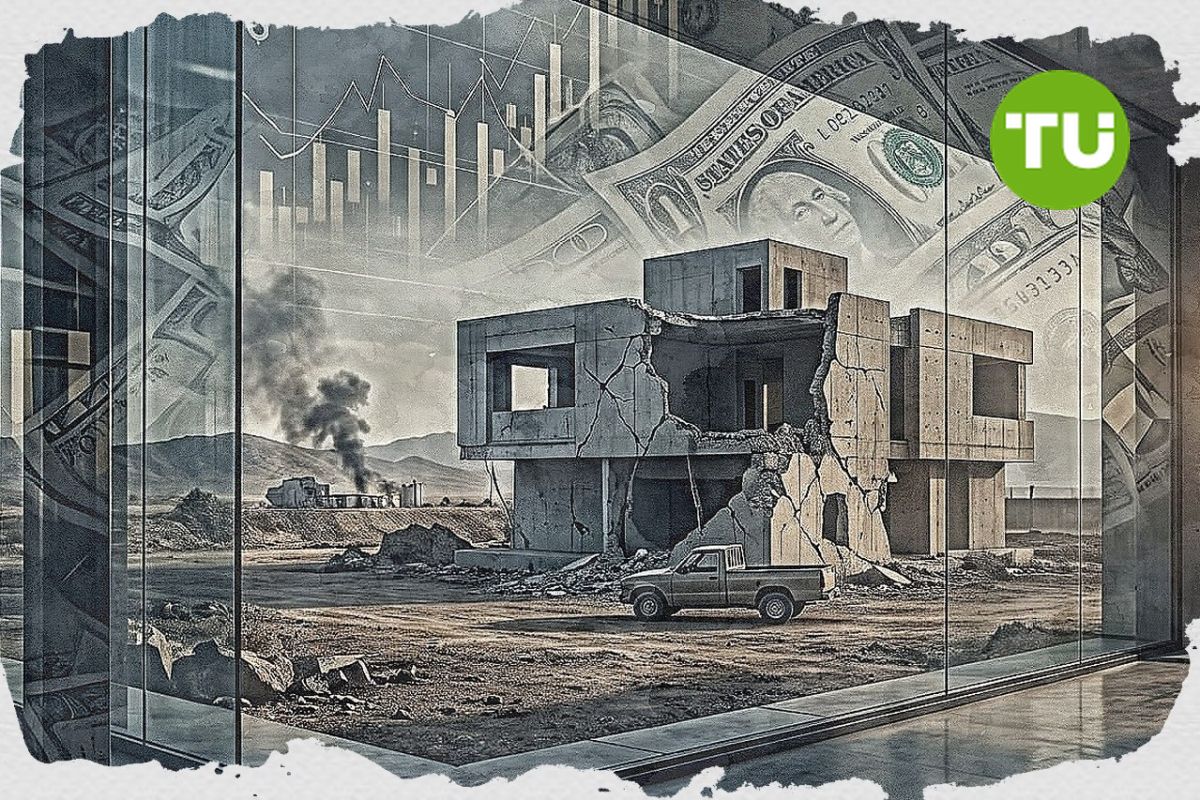
The global government bond market, usually seen as a refuge during crises, is now under pressure itself. Investors are increasingly pricing in the risk that the war around Iran will not be a short-lived shock, but a source of renewed and persistent inflation.
Highlights
- The sovereign bond market of G7 countries is worth more than $50 trillion.
- Long-term G7 yields have risen toward their highest levels since 2004.
- The yield on 30-year Treasuries previously reached 5.12%, the highest level since 2007.
- The main source of pressure is the Iran war and supply disruptions around the Strait of Hormuz.
Inflation reshapes investor behavior again
According to Bloomberg, the U.S. war against Iran has changed expectations across the more than $50 trillion G7 government bond market. Investors might have viewed one inflation spike in the 2020s as an accident, but a second one, after the pandemic and the 2022 energy crisis, is now being treated as a sign of a new reality.
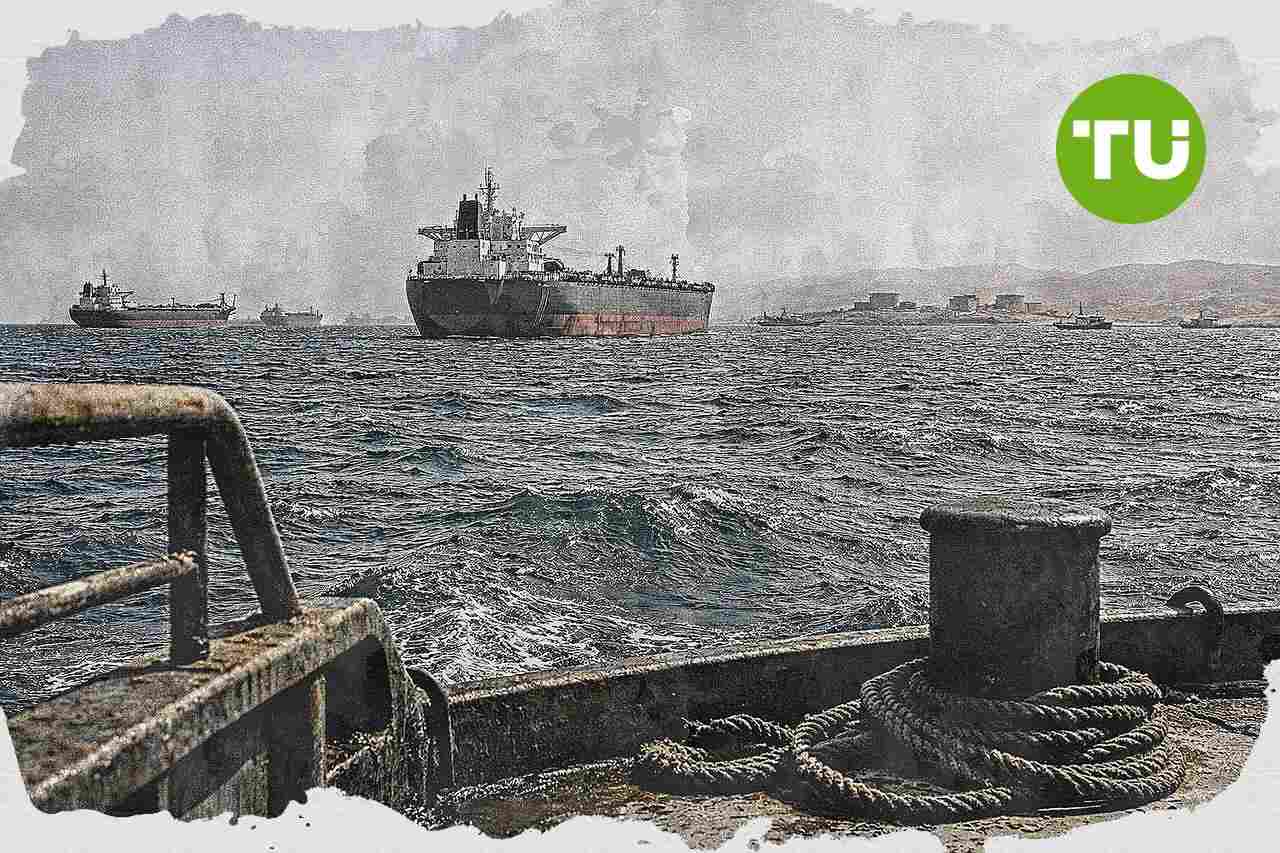
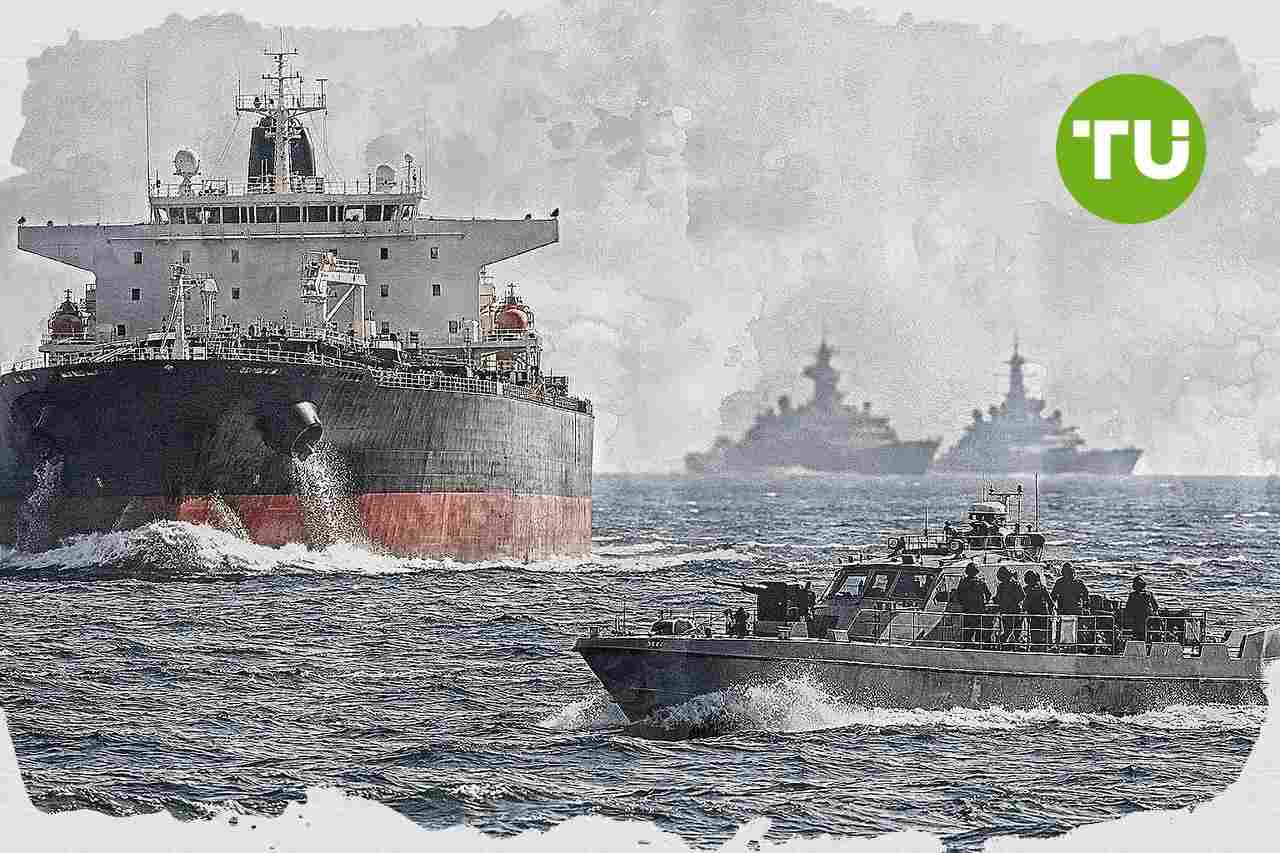
A significant share of global fuel and fertilizer supplies has been disrupted around the Strait of Hormuz, putting pressure on prices across different parts of the economy.
That is why bonds have stopped behaving like a guaranteed safe haven. When inflation looks temporary, investors are willing to buy long-term debt. When they expect prices to keep rising, they demand higher yields to compensate for the loss of purchasing power.
Yields move out of the comfort zone
Long-term government bond yields in G7 countries, especially those with maturities of 10 years or more, have climbed toward their highest levels in two decades and moved close to 5%. In the United States, longer-dated bonds have been especially volatile: the yield on 30-year Treasuries previously closed at 5.12%, the highest level since June 2007.
The market is reacting not only to the war. Rising deficits, fragmented global trade, a costly arms race and more expensive supply chains are all adding pressure to government budgets. In this environment, investors want more compensation for holding even the debt of the world’s safest borrowers.
The new price of stability
For central banks, the situation is difficult. They cannot reopen the Strait of Hormuz or quickly restore energy supplies. But they must keep inflation expectations anchored so that businesses and consumers do not start building permanent price increases into contracts, wages and pricing decisions.
Prolonged disruptions in Hormuz could push gasoline prices higher, increase consumer inflation, and limit the Federal Reserve’s ability to cut rates. Higher defense spending could also widen deficits and push long-term yields up further.
For markets, this means a tougher environment. If bonds no longer provide the usual protection, stocks, currencies, and commodities become more sensitive to every new headline from the Persian Gulf. The key question now is whether the inflation shock remains temporary or becomes a new normal for the global economy.
In an earlier report, we noted that oil prices rise as Iran hardens its stance on uranium.





Latest Iran war News







-
 Afghanistan
-
 Albania
-
 Algeria
-
 Angola
-
 Argentina
-
 Armenia
-
 Australia
-
 Austria
-
 Azerbaijan
-
 Bahamas
-
 Bahrain
-
 Bangladesh
-
 Belarus
-
 Belgium
-
 Bolivia
-
 Botswana
-
 Brazil
-
 Brunei
-
 Bulgaria
-
 Cambodia
-
 Cameroon
-
 Canada
-
 Chile
Chile
-
 China
China
-
 Colombia
-
 Congo
Congo
-
 Costa Rica
-
 Cote d'Ivoire
-
 Croatia
-
 Cuba
Cuba
-
 Cyprus
-
 Czechia
-
 DR Congo
-
 Denmark
-
 Dominican Republic
-
 Ecuador
-
 Egypt
Egypt
-
 El Salvador
-
 Estonia
-
 Eswatini
-
 Ethiopia
-
 Finland
-
 France
-
 Georgia
-
 Germany
-
 Ghana
Ghana
-
 Greece
-
 Haiti
Haiti
-
 Hong Kong
-
 Hungary
-
 India
India
-
 Indonesia
-
 Iran, Islamic republic
-
 Iraq
Iraq
-
 Ireland
-
 Israel
-
 Italy
Italy
-
 Jamaica
-
 Japan
Japan
-
 Jordan
-
 Kazakhstan
-
 Kenya
Kenya
-
 Korea
Korea
-
 Kuwait
-
 Kyrgyzstan
-
 Laos
Laos
-
 Latvia
-
 Lebanon
-
 Lesotho
-
 Libya
Libya
-
 Lithuania
-
 Luxembourg
-
 Madagascar
-
 Malaysia
-
 Malta
Malta
-
 Mauritius
-
 Mexico
-
 Moldova
-
 Mongolia
-
 Montenegro
-
 Morocco
-
 Mozambique
-
 Myanmar
-
 Namibia
-
 Nepal
Nepal
-
 Netherlands
-
 New Zealand
-
 Nigeria
-
 North Macedonia
-
 Norway
-
 Oman
Oman
-
 Pakistan
-
 Palestine
-
 Panama
-
 Papua New Guinea
-
 Paraguay
-
 Peru
Peru
-
 Philippines
-
 Poland
-
 Portugal
-
 Puerto Rico
-
 Qatar
Qatar
-
 Reunion
-
 Romania
-
 Rwanda
-
 Saudi Arabia
-
 Serbia
-
 Singapore
-
 Slovakia
-
 Slovenia
-
 Somalia
-
 South Africa
-
 Spain
Spain
-
 Sri Lanka
-
 Sweden
-
 Switzerland
-
 Syria
Syria
-
 Taiwan
-
 Tajikistan
-
 Tanzania
-
 Thailand
-
 Trinidad and Tobago
-
 Tunisia
-
 Turkey
-
 UAE
UAE
-
 Uganda
-
 Ukraine
-
 United Kingdom
-
United States
-
 Uruguay
-
 Uzbekistan
-
 Venezuela
-
 Vietnam
-
 Yemen
Yemen
-
 Zambia
-
 Zimbabwe
- Forex
- Crypto











