
European Commission allows green energy spending under defence fiscal leeway
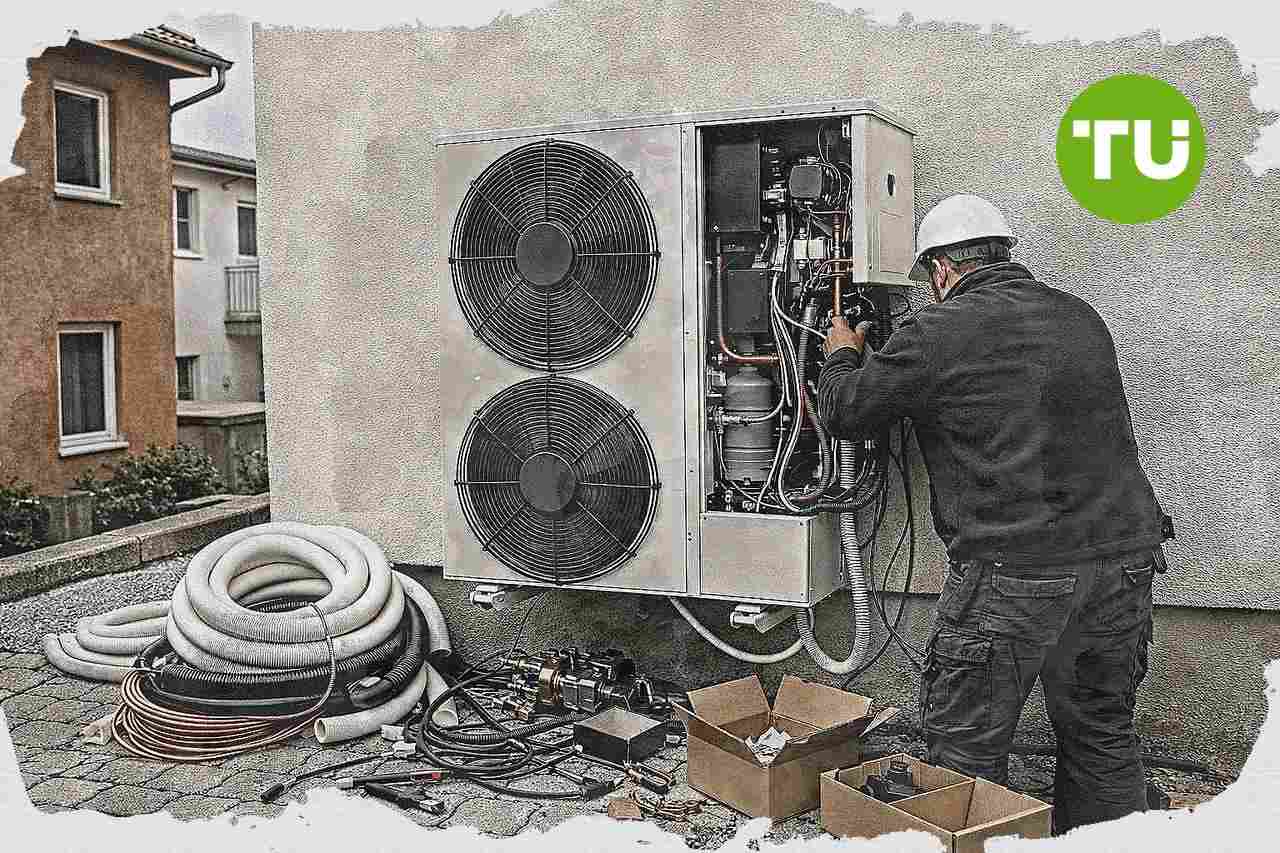
European Union governments are being given limited room to fund parts of the shift away from fossil fuels as energy costs stay elevated across the bloc. The measure lets countries redirect a portion of already approved defence-related fiscal flexibility to green energy investment between 2026 and 2028.
Highlights
- European Commission will permit EU governments to use up to 0.3% of GDP from existing defence fiscal leeway for green energy transition in 2026-2028, capped at 0.6% of GDP.
- The spending flexibility applies to measures such as EV purchases, heat pump installations, and solar panels, but excludes fossil fuel price subsidies and fuel tax cuts.
- Countries that exhausted the broader 1.5% of GDP defence leeway, like Lithuania and Estonia, may still access the 0.3% green allocation after a debt sustainability assessment.
Green investment window within fiscal rules
As reported by Reuters, European Economic Commissioner Valdis Dombrovskis says the European Commission will let EU governments use 0.3% of GDP from the 1.5% of GDP fiscal leeway previously granted for higher defence spending to support the energy transition. The allowance applies in 2026, 2027 or 2028, with a total cap of 0.6% of GDP over the three years.The Commission says the money can support measures such as electric vehicle purchases, replacing oil and gas heating systems with heat pumps, and installing solar panels or batteries. Dombrovskis says the flexibility cannot be used to subsidise fossil fuel prices, including fuel tax cuts such as Italy's decision to reduce excise tax on petrol.
Countries choosing to use the added room for green energy can deduct eligible measures implemented since February. Member states that have already exhausted the broader 1.5% of GDP defence margin, including Lithuania and Estonia, can still seek the extra 0.3% after a debt sustainability analysis, he says.
Political pressure and implications for member states
The decision responds to pressure from Italy, which is seeking softer EU fiscal treatment as households face higher energy bills linked to the U.S.-Israeli war on Iran and the disruption of oil and gas flows through the Strait of Hormuz. Under normal EU fiscal rules, governments are expected to keep budget deficits below 3% of GDP.The Commission created the broader defence exception in March 2025 after Russia's invasion of Ukraine and the heightened threat perceived by many EU countries. While states such as Finland, Poland and the Baltic countries focus on military spending, Italy has argued that fiscal flexibility should also help ease the economic impact of more expensive energy, producing a compromise that ties limited spending relief to green investment rather than direct consumer subsidies.
In our earlier report on oil prices jumping on Strait of Hormuz risks, we described how the latest U.S.-Iran strikes and missile and drone launches toward Gulf states rattled energy markets. We noted that Brent and WTI rose as traders priced in supply disruption risk around a key global shipping chokepoint, adding to concerns about higher transport costs and renewed inflation pressure.












-
 Afghanistan
-
 Albania
-
 Algeria
-
 Angola
-
 Argentina
-
 Armenia
-
 Australia
-
 Austria
-
 Azerbaijan
-
 Bahamas
-
 Bahrain
-
 Bangladesh
-
 Belarus
-
 Belgium
-
 Bolivia
-
 Botswana
-
 Brazil
-
 Brunei
-
 Bulgaria
-
 Cambodia
-
 Cameroon
-
 Canada
-
 Chile
Chile
-
 China
China
-
 Colombia
-
 Congo
Congo
-
 Costa Rica
-
 Cote d'Ivoire
-
 Croatia
-
 Cuba
Cuba
-
 Cyprus
-
 Czechia
-
 DR Congo
-
 Denmark
-
 Dominican Republic
-
 Ecuador
-
 Egypt
Egypt
-
 El Salvador
-
 Estonia
-
 Eswatini
-
 Ethiopia
-
 Finland
-
 France
-
 Georgia
-
 Germany
-
 Ghana
Ghana
-
 Greece
-
 Haiti
Haiti
-
 Hong Kong
-
 Hungary
-
 India
India
-
 Indonesia
-
 Iran, Islamic republic
-
 Iraq
Iraq
-
 Ireland
-
 Israel
-
 Italy
Italy
-
 Jamaica
-
 Japan
Japan
-
 Jordan
-
 Kazakhstan
-
 Kenya
Kenya
-
 Korea
Korea
-
 Kuwait
-
 Kyrgyzstan
-
 Laos
Laos
-
 Latvia
-
 Lebanon
-
 Lesotho
-
 Libya
Libya
-
 Lithuania
-
 Luxembourg
-
 Madagascar
-
 Malaysia
-
 Malta
Malta
-
 Mauritius
-
 Mexico
-
 Moldova
-
 Mongolia
-
 Montenegro
-
 Morocco
-
 Mozambique
-
 Myanmar
-
 Namibia
-
 Nepal
Nepal
-
 Netherlands
-
 New Zealand
-
 Nigeria
-
 North Macedonia
-
 Norway
-
 Oman
Oman
-
 Pakistan
-
 Palestine
-
 Panama
-
 Papua New Guinea
-
 Paraguay
-
 Peru
Peru
-
 Philippines
-
 Poland
-
 Portugal
-
 Puerto Rico
-
 Qatar
Qatar
-
 Reunion
-
 Romania
-
 Rwanda
-
 Saudi Arabia
-
 Serbia
-
 Singapore
-
 Slovakia
-
 Slovenia
-
 Somalia
-
 South Africa
-
 Spain
Spain
-
 Sri Lanka
-
 Sweden
-
 Switzerland
-
 Syria
Syria
-
 Taiwan
-
 Tajikistan
-
 Tanzania
-
 Thailand
-
 Trinidad and Tobago
-
 Tunisia
-
 Turkey
-
 UAE
UAE
-
 Uganda
-
 Ukraine
-
 United Kingdom
-
United States
-
 Uruguay
-
 Uzbekistan
-
 Venezuela
-
 Vietnam
-
 Yemen
Yemen
-
 Zambia
-
 Zimbabwe
- Forex
- Crypto











