
U.S. FCC plans tighter undersea cable rules to speed trusted firms' approvals
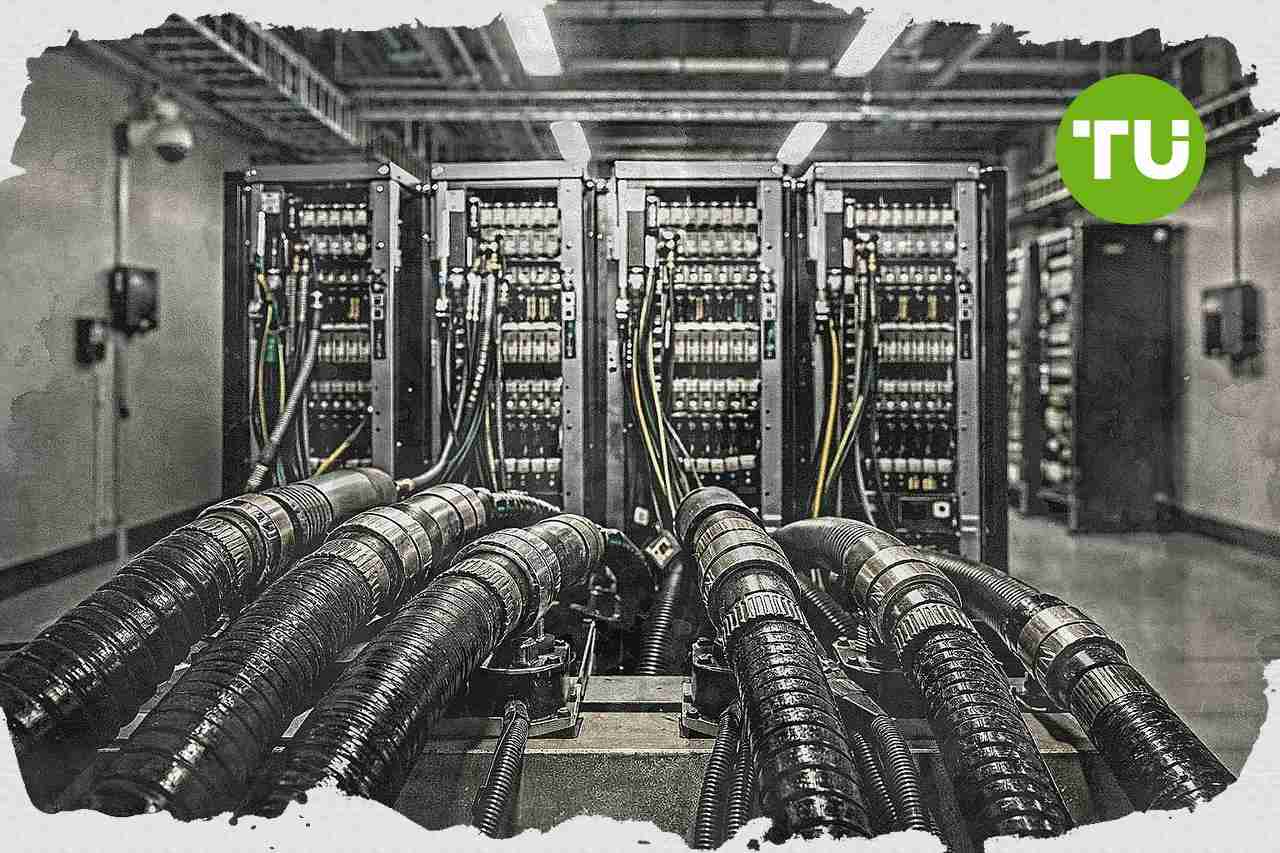
Growing security scrutiny around the infrastructure carrying nearly all international internet traffic is pushing U.S. regulators toward stricter oversight of submarine cable systems. The proposed changes are set to make it harder for Chinese suppliers to participate while giving trusted U.S. technology companies a faster path to approvals.
Highlights
- The FCC plans to require licenses for operators of submarine line terminal equipment for the first time, expanding regulatory oversight of undersea cable infrastructure.
- A proposed fast-track approval process will allow companies like Meta and Alphabet's Google quicker undersea cable permits if they enforce security measures and avoid risky foreign equipment.
- New rules will broaden restrictions on equipment sourced from Chinese and other foreign firms deemed security threats, building on last year's FCC bans targeting Huawei, ZTE, China Telecom, and China Mobile.
Proposed oversight changes for cable operators
As reported by Reuters, the Federal Communications Commission says it plans to require licenses for the first time for operators of submarine line terminal equipment, which links undersea cable systems to U.S. terrestrial facilities and performs a critical role in network operations.The agency also proposes a fast-track approval process for companies operating cables if they commit to protections against espionage and other security incidents, closely monitor compliance with national security and data security requirements, and agree not to use foreign equipment that could create security risks.
U.S. companies such as Meta and Alphabet's Google are likely to benefit as they seek quicker approval to run additional undersea cable systems to handle rising internet traffic. The new rules are also expected to widen existing restrictions beyond firms already on the FCC's national security threat list, potentially covering equipment from China or other foreign adversaries in submarine cable systems.
Security concerns reshape the undersea cable market
With the undersea internet cable business expanding, the FCC last year barred the use of equipment or services in undersea cable facilities from companies it says pose threats to U.S. national security, including Huawei, ZTE, China Telecom and China Mobile.For more than a year, U.S. officials have raised concerns about the network of more than 400 subsea cables that carries nearly all international internet traffic, alongside risks linked to China and Russia. In April, Senate Foreign Relations Committee Chair Jim Risch called for new efforts to address growing national security concerns and said countries need a coordinated international response to strengthen the resilience of undersea infrastructure and limit the impact of attacks.
Security oversight of the sector has already tightened in previous years. In 2021, the Justice Department said national security agreements on submarine cables with Google and Meta were needed because of what it described as China's sustained efforts to obtain sensitive personal data on millions of U.S. persons.
Our earlier article examined how printed circuit boards (PCBs) have become a national-security weak point in the U.S. AI and defense supply chain, with much of the production concentrated in China. We highlighted growing calls for domestic manufacturing support and sourcing requirements, alongside surging demand pressures on the limited U.S. PCB makers as policymakers look to reduce exposure to potential hardware tampering risks.


Latest META News





-
 Afghanistan
-
 Albania
-
 Algeria
-
 Angola
-
 Argentina
-
 Armenia
-
 Australia
-
 Austria
-
 Azerbaijan
-
 Bahamas
-
 Bahrain
-
 Bangladesh
-
 Belarus
-
 Belgium
-
 Bolivia
-
 Botswana
-
 Brazil
-
 Brunei
-
 Bulgaria
-
 Cambodia
-
 Cameroon
-
 Canada
-
 Chile
Chile
-
 China
China
-
 Colombia
-
 Congo
Congo
-
 Costa Rica
-
 Cote d'Ivoire
-
 Croatia
-
 Cuba
Cuba
-
 Cyprus
-
 Czechia
-
 DR Congo
-
 Denmark
-
 Dominican Republic
-
 Ecuador
-
 Egypt
Egypt
-
 El Salvador
-
 Estonia
-
 Eswatini
-
 Ethiopia
-
 Finland
-
 France
-
 Georgia
-
 Germany
-
 Ghana
Ghana
-
 Greece
-
 Haiti
Haiti
-
 Hong Kong
-
 Hungary
-
 India
India
-
 Indonesia
-
 Iran, Islamic republic
-
 Iraq
Iraq
-
 Ireland
-
 Israel
-
 Italy
Italy
-
 Jamaica
-
 Japan
Japan
-
 Jordan
-
 Kazakhstan
-
 Kenya
Kenya
-
 Korea
Korea
-
 Kuwait
-
 Kyrgyzstan
-
 Laos
Laos
-
 Latvia
-
 Lebanon
-
 Lesotho
-
 Libya
Libya
-
 Lithuania
-
 Luxembourg
-
 Madagascar
-
 Malaysia
-
 Malta
Malta
-
 Mauritius
-
 Mexico
-
 Moldova
-
 Mongolia
-
 Montenegro
-
 Morocco
-
 Mozambique
-
 Myanmar
-
 Namibia
-
 Nepal
Nepal
-
 Netherlands
-
 New Zealand
-
 Nigeria
-
 North Macedonia
-
 Norway
-
 Oman
Oman
-
 Pakistan
-
 Palestine
-
 Panama
-
 Papua New Guinea
-
 Paraguay
-
 Peru
Peru
-
 Philippines
-
 Poland
-
 Portugal
-
 Puerto Rico
-
 Qatar
Qatar
-
 Reunion
-
 Romania
-
 Rwanda
-
 Saudi Arabia
-
 Serbia
-
 Singapore
-
 Slovakia
-
 Slovenia
-
 Somalia
-
 South Africa
-
 Spain
Spain
-
 Sri Lanka
-
 Sweden
-
 Switzerland
-
 Syria
Syria
-
 Taiwan
-
 Tajikistan
-
 Tanzania
-
 Thailand
-
 Trinidad and Tobago
-
 Tunisia
-
 Turkey
-
 UAE
UAE
-
 Uganda
-
 Ukraine
-
 United Kingdom
-
United States
-
 Uruguay
-
 Uzbekistan
-
 Venezuela
-
 Vietnam
-
 Yemen
Yemen
-
 Zambia
-
 Zimbabwe
- Forex
- Crypto












