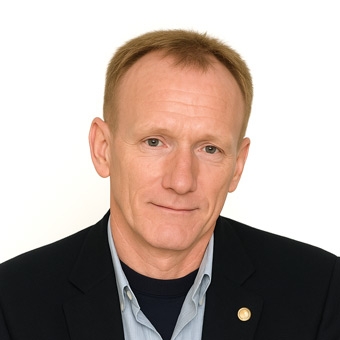
Ways and Means touts tax cuts, investment surge at Treasury hearing

Republican tax and trade policies are driving higher refunds, stronger household finances and a broader investment upswing, according to remarks delivered at a House hearing with Treasury Secretary Scott Bessent. The statement also links factory growth, export gains and planned digital asset tax work to a wider push to strengthen U.S. competitiveness and reduce reliance on China.
Highlights
- Chairman Jason Smith reported total tax refunds are up over 11 percent this filing season, reaching nearly $325 billion, with take-home pay boosted by expanded tax credits.
- Smith highlighted a historic investment surge, citing 17 percent growth in equipment investment, 11 percent rise in intellectual property investment, and record $3.4 trillion in U.S. exports last year.
- The U.S. trade deficit with China fell 32 percent in 2023 to its lowest since 2004, while China agreed to annual $17 billion agricultural buys and new Boeing purchases through 2028.
Hearing focus on tax relief and investment
As reported by the House Committee on Ways and Means, Chairman Jason Smith said in opening remarks to Secretary Bessent that the administration's Working Families Tax Cuts are lifting refunds and take-home pay for households across the country.Smith said refunds this filing season are up more than 11 percent, with total tax refunds nearing $325 billion. He added that 62 million Americans claimed at least one of President Trump's tax relief priorities, including no tax on tips, overtime, Social Security and auto loan interest, while nearly 40 million families claimed a larger Child Tax Credit indexed permanently to inflation.
The chairman also said the economy is in the middle of a historic investment boom. He cited monthly factory activity growth throughout the year, equipment investment rising 17 percent, and intellectual property investment increasing 11 percent in the first quarter, with investment and exports leading economic growth in that period.
Trade, China exposure and next tax agenda
Smith argued that the administration's tax and trade policies are combining to encourage companies to build, invest, produce and hire in the U.S. He said reciprocal trade agreements have secured $10 trillion in investment commitments, while U.S. exports reached a record $3.4 trillion last year and topped $300 billion in each of the first three months of this year.He also said the U.S. is becoming less dependent on China, pointing to a 32 percent drop in the trade deficit with China last year to its lowest level since 2004. Smith added that China recently agreed to buy at least $17 billion a year in U.S. agricultural products through 2028, alongside additional Boeing aircraft purchases.
Beyond trade, Smith said the committee has asked the IRS to investigate 11 tax-exempt organizations over alleged foreign influence and potentially revoke their status if warranted. He also said the committee plans a legislative hearing next week on digital asset taxation, arguing that clear and modern tax rules are needed to support the more than 60 million Americans who own cryptocurrency and to keep the U.S. competitive in the sector.
Our earlier coverage of tight U.S. retail real estate vacancies explained how limited new construction and constrained supply have kept vacancy rates low even as more stores close or downsize. We noted that this scarcity has been pulling investors back into the sector, lifting transaction volumes above $15 billion in Q1 2026 and increasing competition for larger, higher-quality assets.


Latest Fed News







-
 Afghanistan
-
 Albania
-
 Algeria
-
 Angola
-
 Argentina
-
 Armenia
-
 Australia
-
 Austria
-
 Azerbaijan
-
 Bahamas
-
 Bahrain
-
 Bangladesh
-
 Belarus
-
 Belgium
-
 Bolivia
-
 Botswana
-
 Brazil
-
 Brunei
-
 Bulgaria
-
 Cambodia
-
 Cameroon
-
 Canada
-
 Chile
Chile
-
 China
China
-
 Colombia
-
 Congo
Congo
-
 Costa Rica
-
 Cote d'Ivoire
-
 Croatia
-
 Cuba
Cuba
-
 Cyprus
-
 Czechia
-
 DR Congo
-
 Denmark
-
 Dominican Republic
-
 Ecuador
-
 Egypt
Egypt
-
 El Salvador
-
 Estonia
-
 Eswatini
-
 Ethiopia
-
 Finland
-
 France
-
 Georgia
-
 Germany
-
 Ghana
Ghana
-
 Greece
-
 Haiti
Haiti
-
 Hong Kong
-
 Hungary
-
 India
India
-
 Indonesia
-
 Iran, Islamic republic
-
 Iraq
Iraq
-
 Ireland
-
 Israel
-
 Italy
Italy
-
 Jamaica
-
 Japan
Japan
-
 Jordan
-
 Kazakhstan
-
 Kenya
Kenya
-
 Korea
Korea
-
 Kuwait
-
 Kyrgyzstan
-
 Laos
Laos
-
 Latvia
-
 Lebanon
-
 Lesotho
-
 Libya
Libya
-
 Lithuania
-
 Luxembourg
-
 Madagascar
-
 Malaysia
-
 Malta
Malta
-
 Mauritius
-
 Mexico
-
 Moldova
-
 Mongolia
-
 Montenegro
-
 Morocco
-
 Mozambique
-
 Myanmar
-
 Namibia
-
 Nepal
Nepal
-
 Netherlands
-
 New Zealand
-
 Nigeria
-
 North Macedonia
-
 Norway
-
 Oman
Oman
-
 Pakistan
-
 Palestine
-
 Panama
-
 Papua New Guinea
-
 Paraguay
-
 Peru
Peru
-
 Philippines
-
 Poland
-
 Portugal
-
 Puerto Rico
-
 Qatar
Qatar
-
 Reunion
-
 Romania
-
 Rwanda
-
 Saudi Arabia
-
 Serbia
-
 Singapore
-
 Slovakia
-
 Slovenia
-
 Somalia
-
 South Africa
-
 Spain
Spain
-
 Sri Lanka
-
 Sweden
-
 Switzerland
-
 Syria
Syria
-
 Taiwan
-
 Tajikistan
-
 Tanzania
-
 Thailand
-
 Trinidad and Tobago
-
 Tunisia
-
 Turkey
-
 UAE
UAE
-
 Uganda
-
 Ukraine
-
 United Kingdom
-
United States
-
 Uruguay
-
 Uzbekistan
-
 Venezuela
-
 Vietnam
-
 Yemen
Yemen
-
 Zambia
-
 Zimbabwe
- Forex
- Crypto












