
Rolls-Royce SMR outsourcing draws scrutiny over UK nuclear supply chain targets
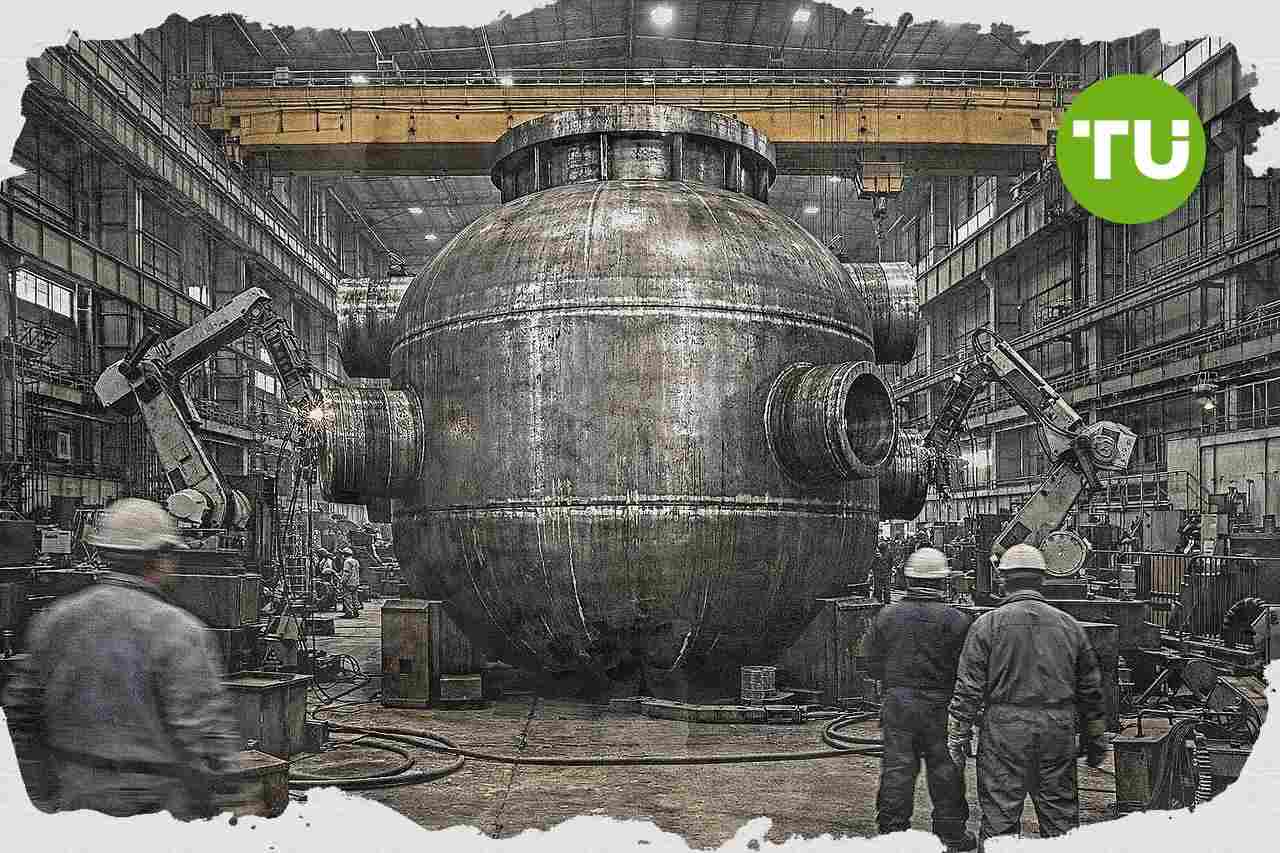
Britain's plan to develop three small modular reactors at Wylfa is facing fresh pressure after Rolls-Royce SMR chose South Korea's Doosan Enerbility for key design and early production work. The decision is intensifying concerns over whether the government's ambition for 70 per cent British-built supply chain content across the reactor fleet can be achieved.
Highlights
- Rolls-Royce SMR is under political and industry scrutiny after awarding key nuclear island component contracts to Doosan Enerbility and Škoda instead of UK-based companies.
- Rolls-Royce SMR's outsourcing decision raises concerns over meeting the government's 70 per cent British-made target for the £2.6bn SMR programme, despite £599mn from the National Wealth Fund.
- Industry stakeholders warn the UK risks losing strategic manufacturing opportunities as the global market for SMRs, estimated by the IEA at over 1,000 reactors and $670bn investment by 2050, expands rapidly.
Political backlash over reactor component sourcing
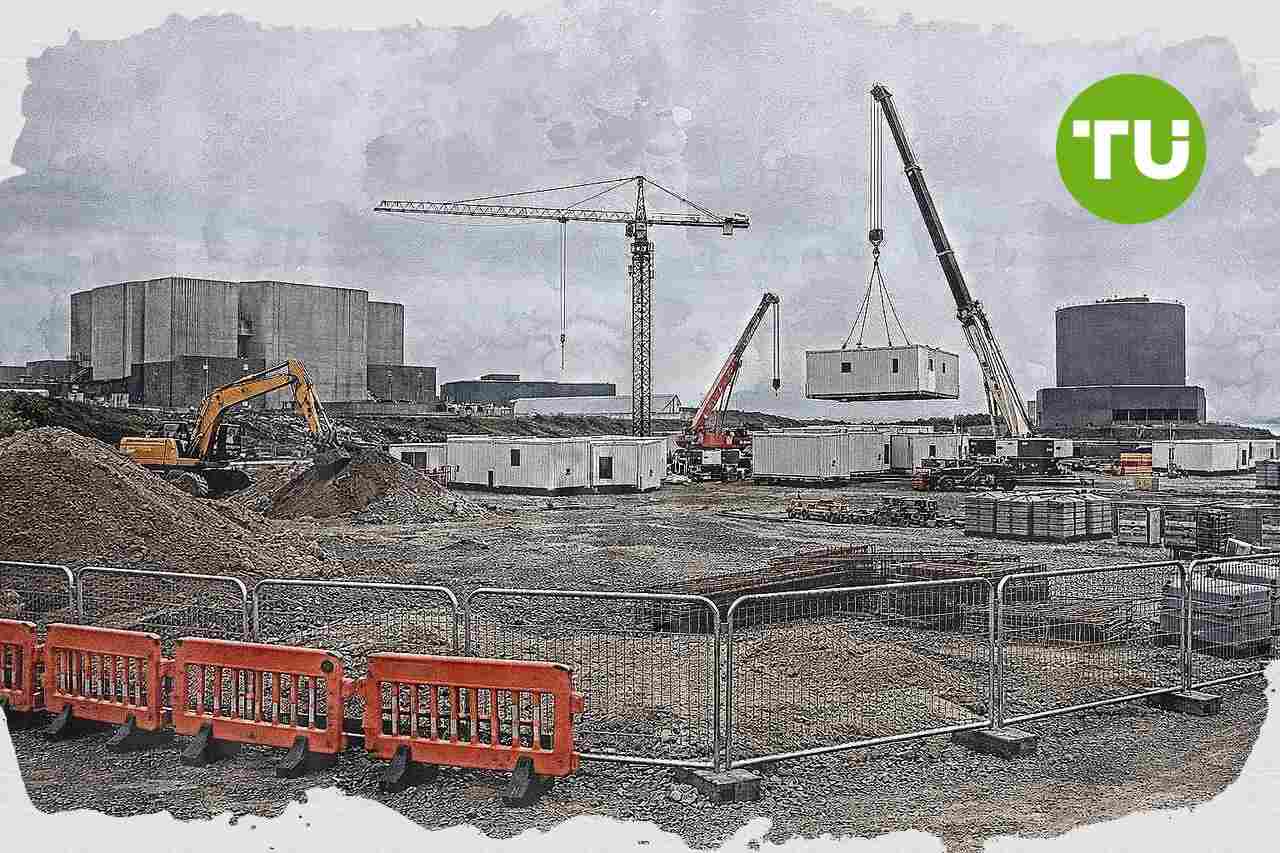
As reported by Financial Times, Rolls-Royce is facing criticism from politicians and industry figures after its SMR unit selected Doosan Enerbility and Czech group Škoda for work on key nuclear island components, including reactor pressure vessels.The move follows the April signing of a contract with Great British Energy for Rolls-Royce SMR to build three small modular reactors in North Wales, under a wider government plan to invest £2.6bn in the technology during this parliament. The UK's National Wealth Fund is also committing up to £599mn to support the reactor developer.
Liam Byrne, chair of parliament's business and trade committee, says he is writing to ministers to seek clarification on how the outsourcing decision fits with the government's 70 per cent British-made target. UK Steel director-general Gareth Stace also calls the move disappointing, arguing that a nuclear expansion backed by public funding should strengthen domestic industry, jobs and supply chain resilience rather than send economic value overseas.
Critics say the decision risks leaving UK suppliers with lower-value work while core parts of the nuclear islands, often compared with a car's engine, are produced in South Korea. Industry figures had hoped Rolls-Royce SMR would invest in UK fabrication capacity, including support for companies such as Sheffield Forgemasters, which was taken into public ownership in 2021 to preserve strategic nuclear manufacturing capability.
Pressure on domestic manufacturing ambitions
Before winning the contract, Rolls-Royce SMR told MPs in February last year that it was "unashamedly Team UK" and that up to 78 per cent of a reactor could be made in the UK. Asked this week what proportion would now be produced domestically, the company declines to give a current figure and says only that 88 per cent of its spending since 2021 has gone to UK-based businesses.Rolls-Royce SMR says it will procure more than 40 million components for each reactor and remains committed to maximising UK content for its first project where competitive domestic capability exists. The Department for Energy Security and Net Zero says Great British Energy, Nuclear aims for 70 per cent of supply chain products to be British-built across the SMR fleet and that the broader nuclear programme should create thousands of jobs across the UK.
The dispute lands as governments increasingly back SMRs as a lower-carbon source of reliable electricity. The International Energy Agency estimates that more than 1,000 SMRs could be built by 2050, requiring cumulative investment of more than $670bn, increasing the stakes for whether the UK captures higher-value manufacturing work in a market it wants to help lead.
Regional leaders and manufacturing specialists warn that the UK could miss a strategic opportunity if advanced reactor production shifts overseas at an early stage. South Yorkshire mayor Oliver Coppard and Professor Keith Ridgway of the Advanced Manufacturing Research Centre argue that existing capabilities around Sheffield give Britain a credible base for a globally competitive SMR cluster.
Our earlier coverage of the Defense Logistics Agency’s Supply Chain Alliance Symposium outlined how military, government, and private-sector partners are shifting from mapping supply chain risks to executing practical steps to strengthen logistics resilience. The discussions focused on critical material risk, cybersecurity requirements, supplier operations, and deeper industrial-base collaboration to protect readiness amid ongoing global disruptions.





Latest National Grid News






-
 Afghanistan
-
 Albania
-
 Algeria
-
 Angola
-
 Argentina
-
 Armenia
-
 Australia
-
 Austria
-
 Azerbaijan
-
 Bahamas
-
 Bahrain
-
 Bangladesh
-
 Belarus
-
 Belgium
-
 Bolivia
-
 Botswana
-
 Brazil
-
 Brunei
-
 Bulgaria
-
 Cambodia
-
 Cameroon
-
 Canada
-
 Chile
Chile
-
 China
China
-
 Colombia
-
 Congo
Congo
-
 Costa Rica
-
 Cote d'Ivoire
-
 Croatia
-
 Cuba
Cuba
-
 Cyprus
-
 Czechia
-
 DR Congo
-
 Denmark
-
 Dominican Republic
-
 Ecuador
-
 Egypt
Egypt
-
 El Salvador
-
 Estonia
-
 Eswatini
-
 Ethiopia
-
 Finland
-
 France
-
 Georgia
-
 Germany
-
 Ghana
Ghana
-
 Greece
-
 Haiti
Haiti
-
 Hong Kong
-
 Hungary
-
 India
India
-
 Indonesia
-
 Iran, Islamic republic
-
 Iraq
Iraq
-
 Ireland
-
 Israel
-
 Italy
Italy
-
 Jamaica
-
 Japan
Japan
-
 Jordan
-
 Kazakhstan
-
 Kenya
Kenya
-
 Korea
Korea
-
 Kuwait
-
 Kyrgyzstan
-
 Laos
Laos
-
 Latvia
-
 Lebanon
-
 Lesotho
-
 Libya
Libya
-
 Lithuania
-
 Luxembourg
-
 Madagascar
-
 Malaysia
-
 Malta
Malta
-
 Mauritius
-
 Mexico
-
 Moldova
-
 Mongolia
-
 Montenegro
-
 Morocco
-
 Mozambique
-
 Myanmar
-
 Namibia
-
 Nepal
Nepal
-
 Netherlands
-
 New Zealand
-
 Nigeria
-
 North Macedonia
-
 Norway
-
 Oman
Oman
-
 Pakistan
-
 Palestine
-
 Panama
-
 Papua New Guinea
-
 Paraguay
-
 Peru
Peru
-
 Philippines
-
 Poland
-
 Portugal
-
 Puerto Rico
-
 Qatar
Qatar
-
 Reunion
-
 Romania
-
 Rwanda
-
 Saudi Arabia
-
 Serbia
-
 Singapore
-
 Slovakia
-
 Slovenia
-
 Somalia
-
 South Africa
-
 Spain
Spain
-
 Sri Lanka
-
 Sweden
-
 Switzerland
-
 Syria
Syria
-
 Taiwan
-
 Tajikistan
-
 Tanzania
-
 Thailand
-
 Trinidad and Tobago
-
 Tunisia
-
 Turkey
-
 UAE
UAE
-
 Uganda
-
 Ukraine
-
 United Kingdom
-
United States
-
 Uruguay
-
 Uzbekistan
-
 Venezuela
-
 Vietnam
-
 Yemen
Yemen
-
 Zambia
-
 Zimbabwe
- Forex
- Crypto











