
Sterling holds steady as U.S.-Iran tensions and UK events shape outlook

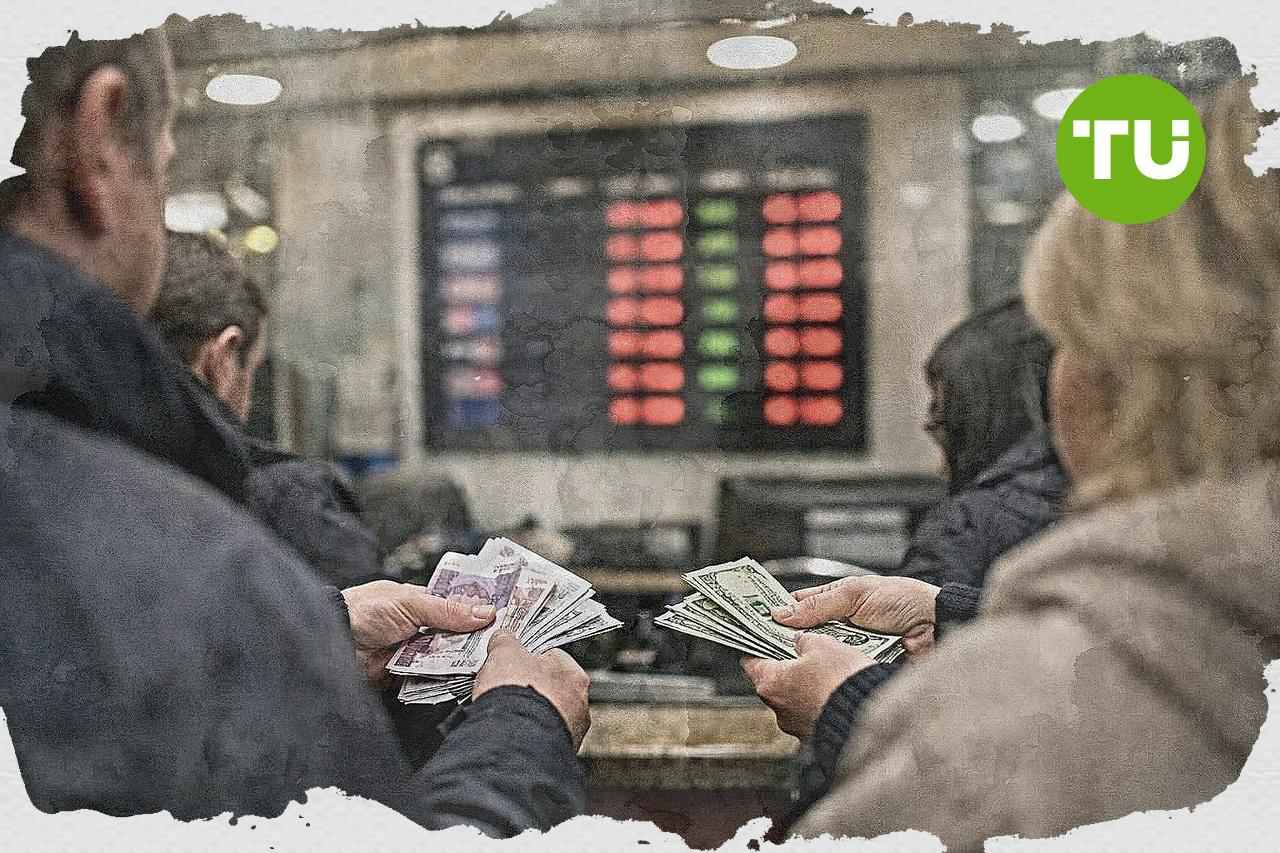
Sterling is broadly steady against the dollar as investors assess a renewed escalation between the U.S. and Iran while keeping their focus on prospects for a broader resolution to the conflict. Attention is also turning to a heavy run of UK economic and political events next week that could shift expectations for growth, interest rates and fiscal policy.
Highlights
- Sterling rises 0.13% to $1.3393 after hitting its weakest since May 18, while remaining steady at 86.24 pence against the euro.
- Iran's Revolutionary Guards attack U.S. military bases in Jordan, Kuwait, and Bahrain, but currency markets largely disregard escalating U.S.-Iran tensions for now.
- Money markets assign a 90% probability to the Bank of England holding rates on June 18, with investors watching for post-decision forward guidance amid UK political risks.
Geopolitical tensions and market positioning
As reported by Reuters, sterling is up 0.13% against the dollar at $1.3393, after touching its lowest level since May 18 on Monday, while it is little changed against the euro at 86.24 pence.Iran's Revolutionary Guards say they have carried out missile and drone attacks on U.S. military bases in Jordan, Kuwait and Bahrain in retaliation for American strikes on Iranian targets around the Strait of Hormuz. The exchange follows President Donald Trump's statement that Iran has downed a U.S. Apache helicopter near the strait, in what marks one of the most significant escalations since Washington and Tehran agreed to a ceasefire in April.
Even so, currency markets appear to be looking through the latest attacks for now. The safe-haven dollar is treading water, suggesting investors remain more focused on whether the conflict can still be contained and ultimately resolved.
UK data, Bank of England and political risks
Market attention is now shifting to Friday's UK GDP data, with a broader cluster of releases and events due next week. These include inflation and retail sales figures, a Bank of England interest-rate decision, and the Makerfield by-election on June 18.The by-election is being watched for its possible implications for UK politics. A win by Greater Manchester Mayor Andy Burnham, Labour's candidate, could reopen questions over party leadership and raise fresh concerns about the direction of UK fiscal policy if it triggers a challenge to Prime Minister Keir Starmer.
Jane Foley, head of FX strategy at Rabobank, says sterling is in a holding pattern because political news from the UK has been limited in recent weeks as markets wait for the by-election result. She adds that the pound could come under pressure from political uncertainty and from the risk that the Bank of England may not raise interest rates as much as markets have been anticipating because of labour market weakness.
Money markets are pricing in about a 90% probability that the Bank of England leaves rates unchanged on June 18. Investors are still likely to scrutinize the decision for any signal on the rate path beyond this month.
Our earlier coverage of U.S. strikes on Iran highlighted how the flare-up near the Strait of Hormuz hit risk sentiment, pushing U.S. stock futures lower as investors weighed fresh geopolitical risk. We also noted that the location matters for markets because any disruption around Hormuz can quickly lift energy prices, revive inflation concerns, and complicate expectations for Federal Reserve policy.





Latest Bank of England News




-
 Afghanistan
-
 Albania
-
 Algeria
-
 Angola
-
 Argentina
-
 Armenia
-
 Australia
-
 Austria
-
 Azerbaijan
-
 Bahamas
-
 Bahrain
-
 Bangladesh
-
 Belarus
-
 Belgium
-
 Bolivia
-
 Botswana
-
 Brazil
-
 Brunei
-
 Bulgaria
-
 Cambodia
-
 Cameroon
-
 Canada
-
 Chile
Chile
-
 China
China
-
 Colombia
-
 Congo
Congo
-
 Costa Rica
-
 Cote d'Ivoire
-
 Croatia
-
 Cuba
Cuba
-
 Cyprus
-
 Czechia
-
 DR Congo
-
 Denmark
-
 Dominican Republic
-
 Ecuador
-
 Egypt
Egypt
-
 El Salvador
-
 Estonia
-
 Eswatini
-
 Ethiopia
-
 Finland
-
 France
-
 Georgia
-
 Germany
-
 Ghana
Ghana
-
 Greece
-
 Haiti
Haiti
-
 Hong Kong
-
 Hungary
-
 India
India
-
 Indonesia
-
 Iran, Islamic republic
-
 Iraq
Iraq
-
 Ireland
-
 Israel
-
 Italy
Italy
-
 Jamaica
-
 Japan
Japan
-
 Jordan
-
 Kazakhstan
-
 Kenya
Kenya
-
 Korea
Korea
-
 Kuwait
-
 Kyrgyzstan
-
 Laos
Laos
-
 Latvia
-
 Lebanon
-
 Lesotho
-
 Libya
Libya
-
 Lithuania
-
 Luxembourg
-
 Madagascar
-
 Malaysia
-
 Malta
Malta
-
 Mauritius
-
 Mexico
-
 Moldova
-
 Mongolia
-
 Montenegro
-
 Morocco
-
 Mozambique
-
 Myanmar
-
 Namibia
-
 Nepal
Nepal
-
 Netherlands
-
 New Zealand
-
 Nigeria
-
 North Macedonia
-
 Norway
-
 Oman
Oman
-
 Pakistan
-
 Palestine
-
 Panama
-
 Papua New Guinea
-
 Paraguay
-
 Peru
Peru
-
 Philippines
-
 Poland
-
 Portugal
-
 Puerto Rico
-
 Qatar
Qatar
-
 Reunion
-
 Romania
-
 Rwanda
-
 Saudi Arabia
-
 Serbia
-
 Singapore
-
 Slovakia
-
 Slovenia
-
 Somalia
-
 South Africa
-
 Spain
Spain
-
 Sri Lanka
-
 Sweden
-
 Switzerland
-
 Syria
Syria
-
 Taiwan
-
 Tajikistan
-
 Tanzania
-
 Thailand
-
 Trinidad and Tobago
-
 Tunisia
-
 Turkey
-
 UAE
UAE
-
 Uganda
-
 Ukraine
-
 United Kingdom
-
United States
-
 Uruguay
-
 Uzbekistan
-
 Venezuela
-
 Vietnam
-
 Yemen
Yemen
-
 Zambia
-
 Zimbabwe
- Forex
- Crypto












