
U.S. Congress advances budget bill that expands immigration funding
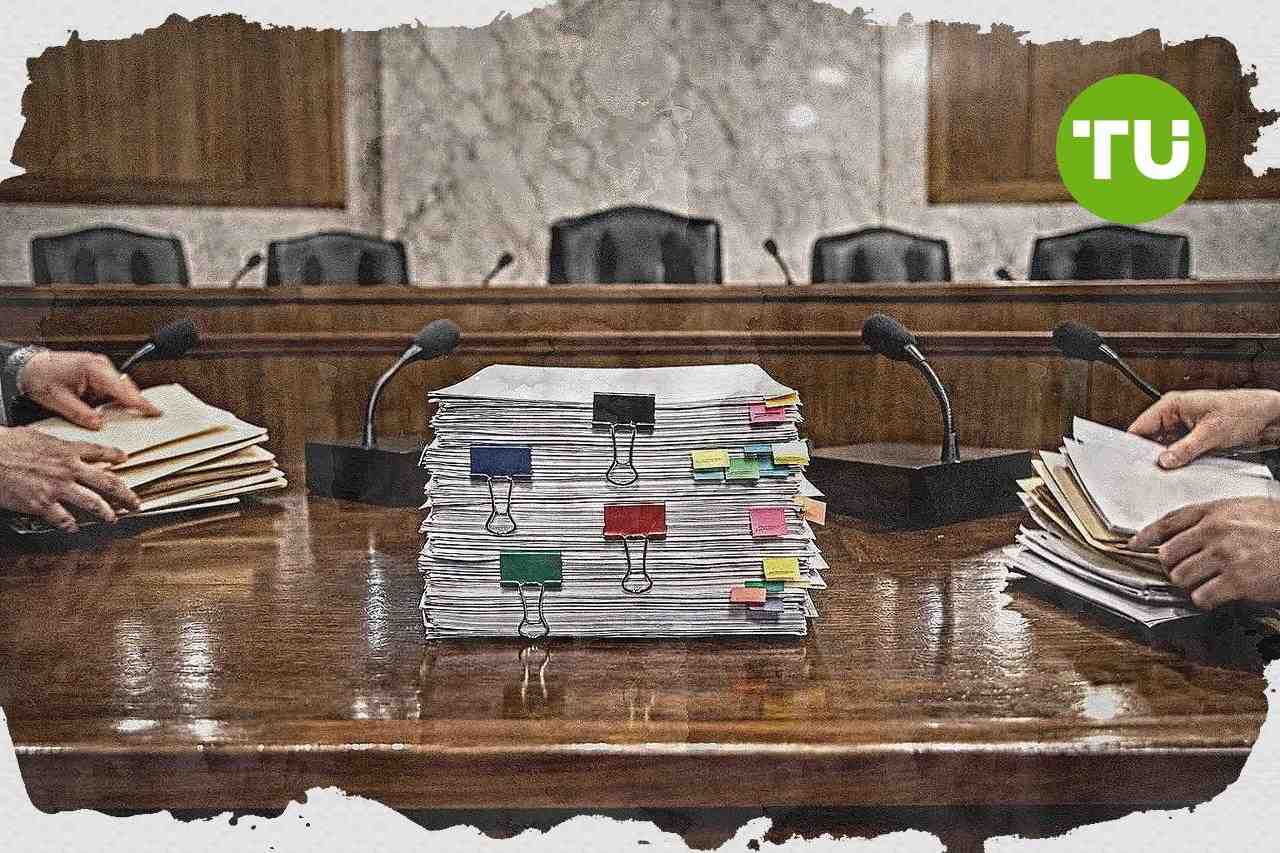
Republicans are nearing two years of unified control of the federal government as questions persist over what that power has delivered. A budget reconciliation bill moving through Congress highlights a continued focus on immigration spending while dropping some contested proposals.
Highlights
- The Senate advanced a $70 billion budget reconciliation bill focused on expanding existing immigration funding with limited overall changes.
- Lawmakers removed a proposed $1 billion White House ballroom allocation and secured the elimination of a $1.8 billion “anti-weaponization fund”.
- The bill raises concerns about fiscal discipline by increasing spending without significantly altering budget priorities amidst continued polling dissatisfaction.
Budget bill advances with limited changes
As reported by Bloomberg, the Senate last week advanced a $70 billion budget reconciliation bill that the House of Representatives passed on Tuesday. The measure is described as mostly adding to an existing surge in immigration funding.Lawmakers removed a proposed $1 billion allocation for a new ballroom at the White House. They also secured a promise from the administration to eliminate a $1.8 billion “anti-weaponization fund” that critics feared could be used to benefit the president’s allies.
Fiscal debate sharpens in Washington
The legislation suggests progress in procedural terms, but the broader package leaves little else changed beyond those revisions. That keeps attention on whether the Republican Party’s period of unified federal control is producing enough tangible policy results.The political backdrop remains sensitive as current polling, cited in the text, indicates dissatisfaction with the party’s record. The bill also reinforces concerns about fiscal discipline because its main effect is to add further spending rather than substantially reshape budget priorities.
Our earlier article on Microsoft’s Xbox restructuring covered plans for major layoffs and deep cuts to marketing and other budgets shortly after the company’s fiscal year-end. We also noted the pressure on Xbox’s strategy amid weaker console sales and a shift in key offerings such as Game Pass, underscoring how large spending plans are increasingly being met with demands for tighter accountability.














-
 Afghanistan
-
 Albania
-
 Algeria
-
 Angola
-
 Argentina
-
 Armenia
-
 Australia
-
 Austria
-
 Azerbaijan
-
 Bahamas
-
 Bahrain
-
 Bangladesh
-
 Belarus
-
 Belgium
-
 Bolivia
-
 Botswana
-
 Brazil
-
 Brunei
-
 Bulgaria
-
 Cambodia
-
 Cameroon
-
 Canada
-
 Chile
Chile
-
 China
China
-
 Colombia
-
 Congo
Congo
-
 Costa Rica
-
 Cote d'Ivoire
-
 Croatia
-
 Cuba
Cuba
-
 Cyprus
-
 Czechia
-
 DR Congo
-
 Denmark
-
 Dominican Republic
-
 Ecuador
-
 Egypt
Egypt
-
 El Salvador
-
 Estonia
-
 Eswatini
-
 Ethiopia
-
 Finland
-
 France
-
 Georgia
-
 Germany
-
 Ghana
Ghana
-
 Greece
-
 Haiti
Haiti
-
 Hong Kong
-
 Hungary
-
 India
India
-
 Indonesia
-
 Iran, Islamic republic
-
 Iraq
Iraq
-
 Ireland
-
 Israel
-
 Italy
Italy
-
 Jamaica
-
 Japan
Japan
-
 Jordan
-
 Kazakhstan
-
 Kenya
Kenya
-
 Korea
Korea
-
 Kuwait
-
 Kyrgyzstan
-
 Laos
Laos
-
 Latvia
-
 Lebanon
-
 Lesotho
-
 Libya
Libya
-
 Lithuania
-
 Luxembourg
-
 Madagascar
-
 Malaysia
-
 Malta
Malta
-
 Mauritius
-
 Mexico
-
 Moldova
-
 Mongolia
-
 Montenegro
-
 Morocco
-
 Mozambique
-
 Myanmar
-
 Namibia
-
 Nepal
Nepal
-
 Netherlands
-
 New Zealand
-
 Nigeria
-
 North Macedonia
-
 Norway
-
 Oman
Oman
-
 Pakistan
-
 Palestine
-
 Panama
-
 Papua New Guinea
-
 Paraguay
-
 Peru
Peru
-
 Philippines
-
 Poland
-
 Portugal
-
 Puerto Rico
-
 Qatar
Qatar
-
 Reunion
-
 Romania
-
 Rwanda
-
 Saudi Arabia
-
 Serbia
-
 Singapore
-
 Slovakia
-
 Slovenia
-
 Somalia
-
 South Africa
-
 Spain
Spain
-
 Sri Lanka
-
 Sweden
-
 Switzerland
-
 Syria
Syria
-
 Taiwan
-
 Tajikistan
-
 Tanzania
-
 Thailand
-
 Trinidad and Tobago
-
 Tunisia
-
 Turkey
-
 UAE
UAE
-
 Uganda
-
 Ukraine
-
 United Kingdom
-
United States
-
 Uruguay
-
 Uzbekistan
-
 Venezuela
-
 Vietnam
-
 Yemen
Yemen
-
 Zambia
-
 Zimbabwe
- Forex
- Crypto












