
U.S. backs quantum companies as AI convergence drives sector investment
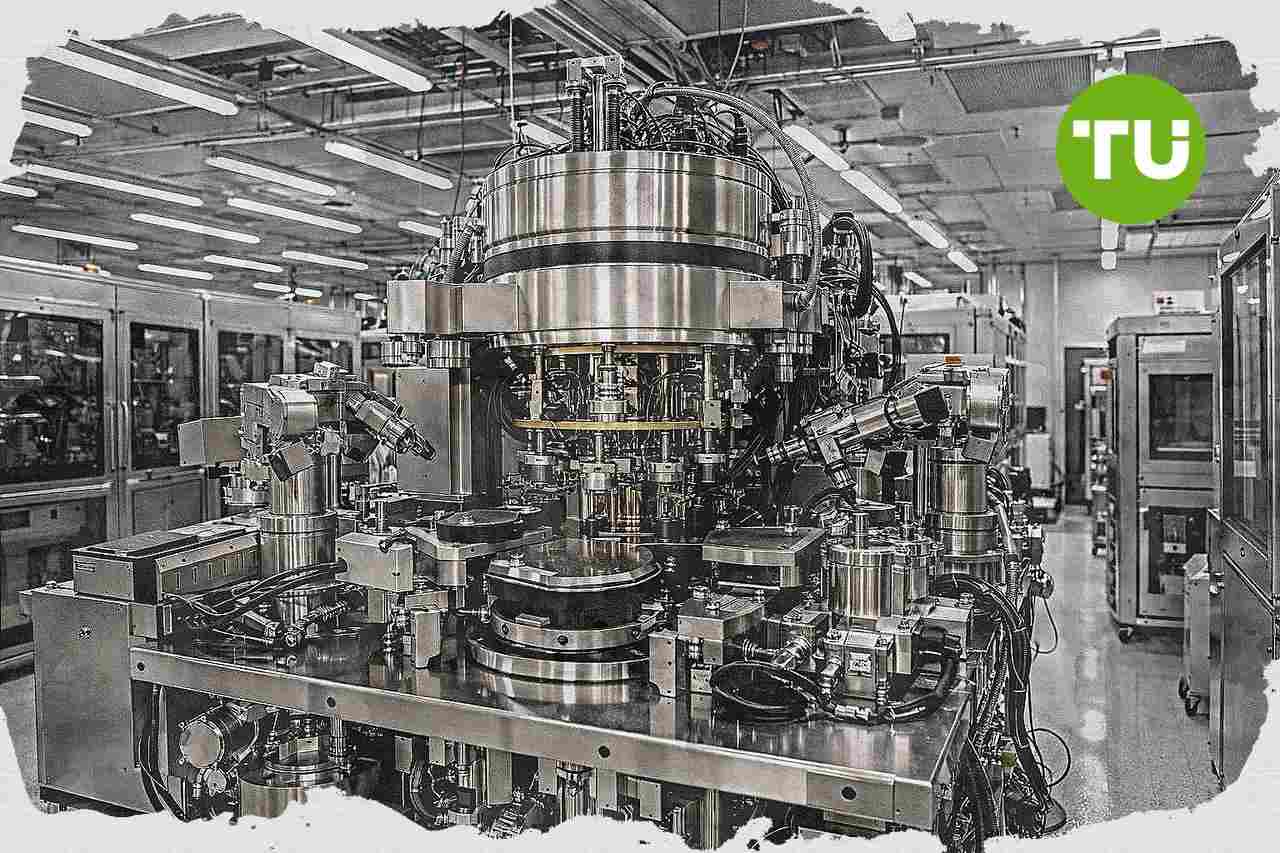
Quantum computing is drawing fresh attention as its combination with artificial intelligence reshapes expectations for commercial and national security applications. The U.S. government is stepping up support for the sector, with the article describing Commerce Department plans to invest across nine quantum companies under the CHIPS and Science Act of 2022.
Highlights
- U.S. Commerce Department will invest $2 billion in nine quantum companies under the CHIPS and Science Act, including $1 billion for IBM’s Anderon foundry.
- The Quantum Economic Development Consortium forecasts the quantum market will grow from $1.9 billion in 2023 to $4 billion by 2028, amid rapid AI convergence.
- Google research accelerated cryptography-breaking algorithms, prompting expectations to adopt quantum-safe encryption by 2029, six years ahead of the U.S. government's 2035 target.
Government investment plan and technology backdrop
As reported by Weiss Ratings, the Commerce Department announced in May that it would invest $2 billion across nine quantum companies under the CHIPS and Science Act of 2022. The article says the package includes $1 billion for IBM to build its quantum chip foundry, Anderon, in Albany, New York, alongside hundreds of millions of dollars for other U.S. quantum companies including D-Wave Quantum, Rigetti Computing and Infleqtion.The piece frames the spending as part of a broader push around the convergence of AI and quantum computing. It cites the Quantum Economic Development Consortium as saying the quantum market is set to rise from $1.9 billion last year to $4 billion by 2028, while the UN projects AI will reach $4.8 trillion by 2033.
Microsoft is presented as an example of that convergence. The company says its Majorana 2 quantum chip is 1,000 times more reliable than Majorana 1, and the article says Microsoft uses AI agents to help researchers design materials, manage workflows, automate measurements, optimize builds, identify flaws and search for new solutions.
Security and market implications for the sector
The article says Washington's interest is tied not only to industrial policy but also to national security concerns. Quantum computing has the potential to undermine existing encryption systems that protect financial records, health data, crypto wallets and government secrets if the technology advances in hostile hands.It also points to research from Google's Quantum AI team and others that found a 10-fold speedup for an algorithm that can be used to crack the cryptography behind Bitcoin and Ethereum. Based on that work, the article says Google now expects a shift to quantum-safe encryption by 2029, earlier than the government's 2035 deadline.
For investors, the article distinguishes between larger technology groups and pure-play quantum names. It says Alphabet, IBM and Microsoft have solid Weiss ratings, while companies such as Rigetti, Infleqtion and IonQ remain highly speculative despite growing interest in the sector.
In our earlier QUBT technical outlook, we reviewed Quantum Computing Inc. (QUBT) trading around $9.53 while remaining below key moving averages, a setup that kept bearish pressure in focus. The analysis highlighted weak momentum indicators and a likely near-term consolidation range of $8.48 to $10.58, with elevated downside risk if the $8.48 support level breaks.











-
 Afghanistan
-
 Albania
-
 Algeria
-
 Angola
-
 Argentina
-
 Armenia
-
 Australia
-
 Austria
-
 Azerbaijan
-
 Bahamas
-
 Bahrain
-
 Bangladesh
-
 Belarus
-
 Belgium
-
 Bolivia
-
 Botswana
-
 Brazil
-
 Brunei
-
 Bulgaria
-
 Cambodia
-
 Cameroon
-
 Canada
-
 Chile
Chile
-
 China
China
-
 Colombia
-
 Congo
Congo
-
 Costa Rica
-
 Cote d'Ivoire
-
 Croatia
-
 Cuba
Cuba
-
 Cyprus
-
 Czechia
-
 DR Congo
-
 Denmark
-
 Dominican Republic
-
 Ecuador
-
 Egypt
Egypt
-
 El Salvador
-
 Estonia
-
 Eswatini
-
 Ethiopia
-
 Finland
-
 France
-
 Georgia
-
 Germany
-
 Ghana
Ghana
-
 Greece
-
 Haiti
Haiti
-
 Hong Kong
-
 Hungary
-
 India
India
-
 Indonesia
-
 Iran, Islamic republic
-
 Iraq
Iraq
-
 Ireland
-
 Israel
-
 Italy
Italy
-
 Jamaica
-
 Japan
Japan
-
 Jordan
-
 Kazakhstan
-
 Kenya
Kenya
-
 Korea
Korea
-
 Kuwait
-
 Kyrgyzstan
-
 Laos
Laos
-
 Latvia
-
 Lebanon
-
 Lesotho
-
 Libya
Libya
-
 Lithuania
-
 Luxembourg
-
 Madagascar
-
 Malaysia
-
 Malta
Malta
-
 Mauritius
-
 Mexico
-
 Moldova
-
 Mongolia
-
 Montenegro
-
 Morocco
-
 Mozambique
-
 Myanmar
-
 Namibia
-
 Nepal
Nepal
-
 Netherlands
-
 New Zealand
-
 Nigeria
-
 North Macedonia
-
 Norway
-
 Oman
Oman
-
 Pakistan
-
 Palestine
-
 Panama
-
 Papua New Guinea
-
 Paraguay
-
 Peru
Peru
-
 Philippines
-
 Poland
-
 Portugal
-
 Puerto Rico
-
 Qatar
Qatar
-
 Reunion
-
 Romania
-
 Rwanda
-
 Saudi Arabia
-
 Serbia
-
 Singapore
-
 Slovakia
-
 Slovenia
-
 Somalia
-
 South Africa
-
 Spain
Spain
-
 Sri Lanka
-
 Sweden
-
 Switzerland
-
 Syria
Syria
-
 Taiwan
-
 Tajikistan
-
 Tanzania
-
 Thailand
-
 Trinidad and Tobago
-
 Tunisia
-
 Turkey
-
 UAE
UAE
-
 Uganda
-
 Ukraine
-
 United Kingdom
-
United States
-
 Uruguay
-
 Uzbekistan
-
 Venezuela
-
 Vietnam
-
 Yemen
Yemen
-
 Zambia
-
 Zimbabwe
- Forex
- Crypto












