
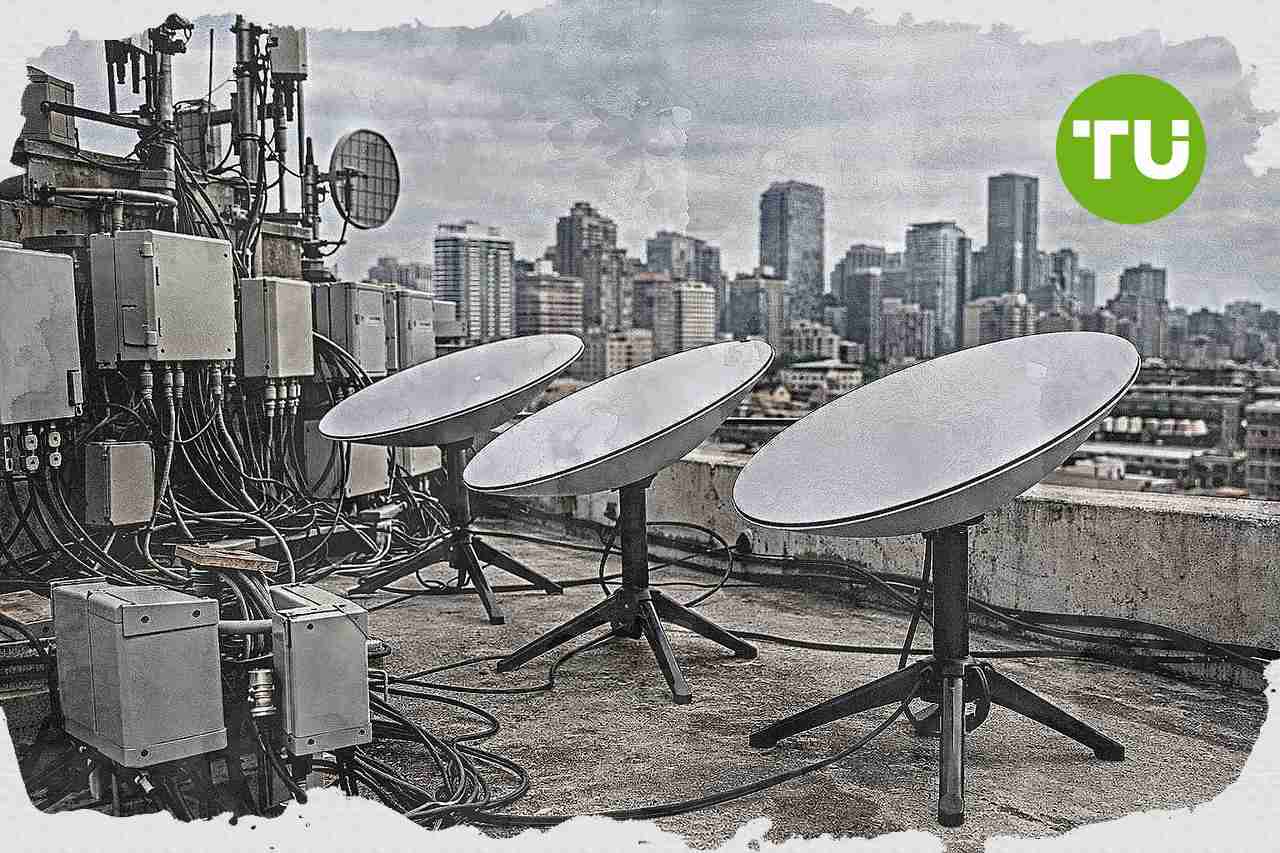
As SpaceX moves toward what it describes as the largest IPO on record, investors are focusing primarily on Starlink because it is the company’s biggest revenue generator and only profitable business. That focus is sharpening scrutiny of slowing user economics, heavy dependence on Starship deployment, and tougher competition in urban broadband markets.
Highlights
- Starlink doubled its consumer broadband customer base to 10.3 million but saw average revenue per user fall from $86 to $66 in first quarter 2024.
- SpaceX reported a $1.9 billion first-quarter operating loss and has a $41.3 billion accumulated deficit, while targeting a $1.77 trillion market capitalization in its IPO filings.
- Starlink’s expansion depends on the still-in-testing Starship and costly terminals, with competition intensifying from Amazon Leo and established broadband providers, especially in developed markets.
Starlink economics and IPO scrutiny
As reported by SpaceX in its IPO filings, Starlink has more than doubled its consumer broadband customer base over the past year to 10.3 million and remains the company’s strongest operating segment. The filings also show SpaceX has accumulated a deficit of $41.3 billion since 2002 and posted a first-quarter operating loss of $1.9 billion, even as it targets a market capitalization of $1.77 trillion.The company’s space and artificial intelligence businesses generated a combined $1.4 billion in first-quarter revenue, while their operating losses reached $3.1 billion. That leaves Starlink as the central business for investors to assess as SpaceX prepares to sell shares publicly.
Starlink’s own growth metrics are also becoming harder to interpret. Average revenue per user fell to $66 per month in the first quarter from $86 a year earlier, while full-year ARPU declined to $81 last year from $91 in 2024 and $99 in 2023.
Even with subscriber numbers doubling in the first quarter, operating income rose only modestly, to $1.19 billion from $1.03 billion. TMF Associates President Tim Farrar says additional customers are not generating much incremental revenue, a dynamic that can push price increases and raise the risk of customer churn.
Expansion plan faces cost and competition pressures
SpaceX is counting on Starship and its new V3 satellites to expand Starlink capacity significantly, but the rocket is still in testing and has mostly carried dummy satellites so far. The company has spent more than $15 billion developing Starship, making Starlink’s next growth phase closely tied to the success and timing of that program.Chief Financial Officer Bret Johnsen says during the investor roadshow that Starlink’s customer base can eventually grow from 10 million to hundreds of millions globally and that SpaceX plans to deliver 5G-equivalent service to consumer devices within two years. New Street Research analyst James Ratzer says the key issue is whether SpaceX can find the most efficient path to the exponential growth it is projecting.
Starlink currently operates 9,600 low Earth orbit satellites and serves customers in 164 countries and territories, giving it a major lead over rivals such as Amazon Leo, which only began sending operational satellites into orbit in April 2025. But Starlink is increasingly pursuing developed and urban markets, where established broadband providers can respond with lower prices and bundled offers.
Terminal costs are another obstacle as the network scales. Farrar estimates Starlink devices cost about three times as much to produce as modems used for terrestrial internet, potentially limiting pricing flexibility as competition intensifies.
Airline connectivity is one area of commercial progress, with American Airlines planning to use Starlink Wi-Fi on more than 500 narrow-body aircraft, joining United, Southwest Airlines and Alaska Airlines. Still, Delta says in March that it will use Amazon Leo starting in 2028, underscoring that competition is broadening beyond consumer households.
In our earlier article on American Airlines’ stock outlook, we noted that AAL was climbing despite a major profitability headwind: jet fuel costs expected to add more than $4 billion in annual expenses. The piece highlighted strong buyer momentum in the shares alongside mixed technical signals, while stressing that margin pressure and volatility could limit confidence in a sustained breakout.


Latest American Airlines News






-
 Afghanistan
-
 Albania
-
 Algeria
-
 Angola
-
 Argentina
-
 Armenia
-
 Australia
-
 Austria
-
 Azerbaijan
-
 Bahamas
-
 Bahrain
-
 Bangladesh
-
 Belarus
-
 Belgium
-
 Bolivia
-
 Botswana
-
 Brazil
-
 Brunei
-
 Bulgaria
-
 Cambodia
-
 Cameroon
-
 Canada
-
 Chile
Chile
-
 China
China
-
 Colombia
-
 Congo
Congo
-
 Costa Rica
-
 Cote d'Ivoire
-
 Croatia
-
 Cuba
Cuba
-
 Cyprus
-
 Czechia
-
 DR Congo
-
 Denmark
-
 Dominican Republic
-
 Ecuador
-
 Egypt
Egypt
-
 El Salvador
-
 Estonia
-
 Eswatini
-
 Ethiopia
-
 Finland
-
 France
-
 Georgia
-
 Germany
-
 Ghana
Ghana
-
 Greece
-
 Haiti
Haiti
-
 Hong Kong
-
 Hungary
-
 India
India
-
 Indonesia
-
 Iran, Islamic republic
-
 Iraq
Iraq
-
 Ireland
-
 Israel
-
 Italy
Italy
-
 Jamaica
-
 Japan
Japan
-
 Jordan
-
 Kazakhstan
-
 Kenya
Kenya
-
 Korea
Korea
-
 Kuwait
-
 Kyrgyzstan
-
 Laos
Laos
-
 Latvia
-
 Lebanon
-
 Lesotho
-
 Libya
Libya
-
 Lithuania
-
 Luxembourg
-
 Madagascar
-
 Malaysia
-
 Malta
Malta
-
 Mauritius
-
 Mexico
-
 Moldova
-
 Mongolia
-
 Montenegro
-
 Morocco
-
 Mozambique
-
 Myanmar
-
 Namibia
-
 Nepal
Nepal
-
 Netherlands
-
 New Zealand
-
 Nigeria
-
 North Macedonia
-
 Norway
-
 Oman
Oman
-
 Pakistan
-
 Palestine
-
 Panama
-
 Papua New Guinea
-
 Paraguay
-
 Peru
Peru
-
 Philippines
-
 Poland
-
 Portugal
-
 Puerto Rico
-
 Qatar
Qatar
-
 Reunion
-
 Romania
-
 Rwanda
-
 Saudi Arabia
-
 Serbia
-
 Singapore
-
 Slovakia
-
 Slovenia
-
 Somalia
-
 South Africa
-
 Spain
Spain
-
 Sri Lanka
-
 Sweden
-
 Switzerland
-
 Syria
Syria
-
 Taiwan
-
 Tajikistan
-
 Tanzania
-
 Thailand
-
 Trinidad and Tobago
-
 Tunisia
-
 Turkey
-
 UAE
UAE
-
 Uganda
-
 Ukraine
-
 United Kingdom
-
United States
-
 Uruguay
-
 Uzbekistan
-
 Venezuela
-
 Vietnam
-
 Yemen
Yemen
-
 Zambia
-
 Zimbabwe
- Forex
- Crypto












