Ireland pushes faster EU electrification as data centre demand strains power system
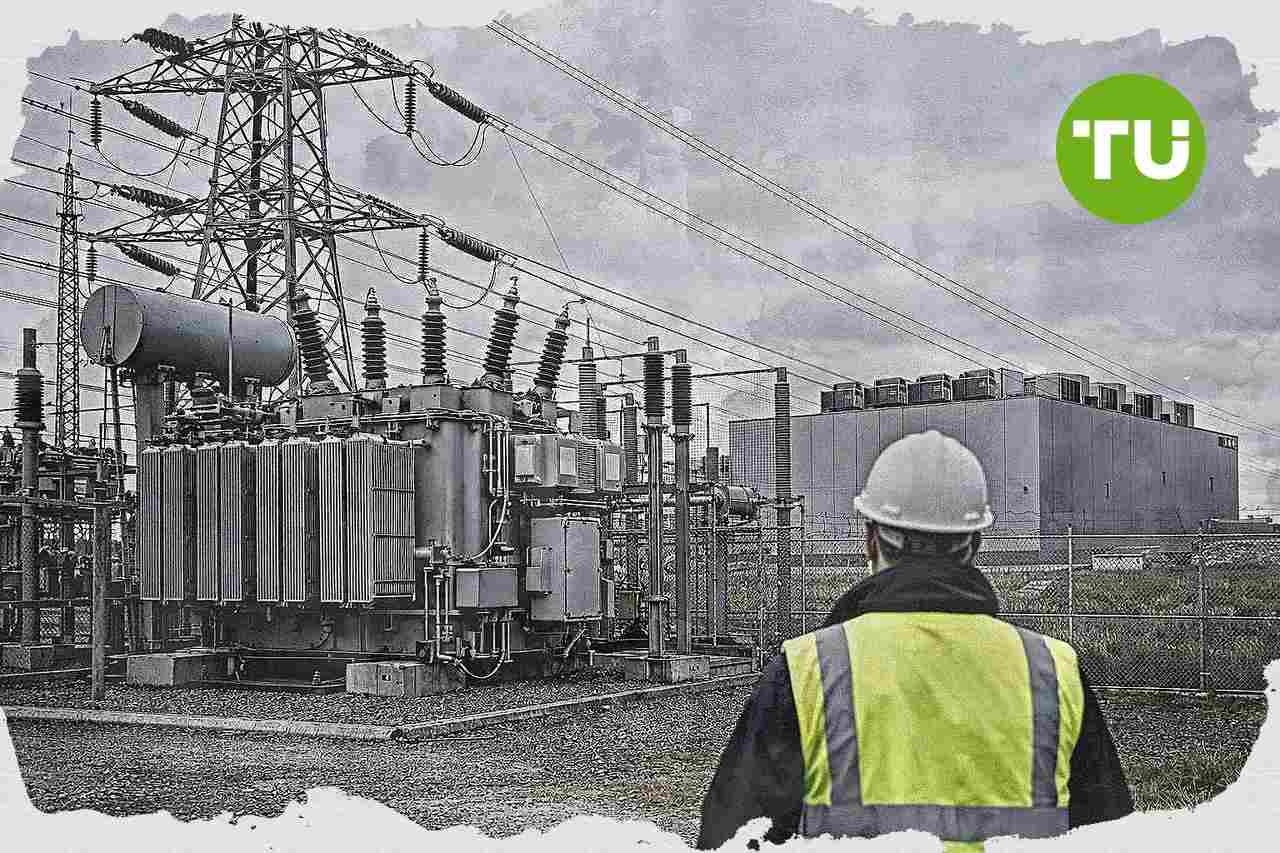
Ireland is making faster electrification a central priority as it prepares to take over the Council of the EU presidency on July 1. The push comes as high power prices, growing data centre demand and recent energy shocks increase pressure on Europe’s grids and renewable rollout.
Highlights
- Ireland's energy minister Darragh O’Brien will use its six-month EU Council presidency to advance negotiations on electrification, grid reform, and emissions trading system changes.
- Ireland, with the highest electricity prices in Europe and data centres consuming over 20% of power, faces urgent pressure to invest in grid infrastructure and renewables.
- The France-Ireland electricity interconnector project has been delayed from 2027 to 2028, increasing costs and highlighting infrastructure constraints amid rapid data centre expansion.
EU presidency agenda on grids and power reform
As reported by Financial Times, Ireland’s energy minister Darragh O’Brien says Dublin wants to use its six-month presidency of the Council of the EU to steer negotiations on grids, electrification and data centres. He says the recent energy shocks linked to the Middle East, the war in Ukraine and Europe’s continued reliance on fossil fuels should accelerate electrification across the bloc.Ireland will also seek to deliver grid reform and advance changes to the emissions trading system. It is set to chair discussions on plans that would ensure electricity is taxed less than gas, a move aimed at supporting a broader shift away from fossil fuel use.
A new interconnector between Ireland and France has recently been delayed from 2027 to 2028, adding to project costs. The delay underlines the infrastructure constraints facing a country that is pressing for quicker integration of renewable power and stronger cross-border electricity links.
Pressure from data centres and high electricity prices
Ireland has the highest electricity prices in Europe, while data centres consume more than a fifth of the country’s electricity, making the country especially exposed to grid bottlenecks and supply costs. That has increased the urgency of investment in networks and a faster deployment of renewable energy sources.The government has recently lifted an effective moratorium on new data centres, although new facilities seeking grid connections must source 80 per cent of their energy from additional renewable electricity sources. O’Brien says he does not see data centres as a negative for a country that hosts many of the world’s biggest technology companies.
The debate is likely to remain important for both Ireland and the wider EU as policymakers try to balance industrial demand, competitiveness and energy security. For the power sector, the Irish position points to a stronger policy focus on electrification, grid upgrades and pricing reforms as demand from digital infrastructure keeps rising.
Our earlier coverage of Big Tech’s data center expansion in the U.S. explained how the AI-driven buildout is running into real-world constraints, including shortages of electricians, welders, plumbers and other skilled trades needed to construct new facilities. We also noted that alongside continued permitting momentum, communities are increasingly pushing back against new data centers, highlighting the social and logistical frictions that can slow infrastructure rollouts.




Latest National Grid News







-
 Afghanistan
-
 Albania
-
 Algeria
-
 Angola
-
 Argentina
-
 Armenia
-
 Australia
-
 Austria
-
 Azerbaijan
-
 Bahamas
-
 Bahrain
-
 Bangladesh
-
 Belarus
-
 Belgium
-
 Bolivia
-
 Botswana
-
 Brazil
-
 Brunei
-
 Bulgaria
-
 Cambodia
-
 Cameroon
-
 Canada
-
 Chile
Chile
-
 China
China
-
 Colombia
-
 Congo
Congo
-
 Costa Rica
-
 Cote d'Ivoire
-
 Croatia
-
 Cuba
Cuba
-
 Cyprus
-
 Czechia
-
 DR Congo
-
 Denmark
-
 Dominican Republic
-
 Ecuador
-
 Egypt
Egypt
-
 El Salvador
-
 Estonia
-
 Eswatini
-
 Ethiopia
-
 Finland
-
 France
-
 Georgia
-
 Germany
-
 Ghana
Ghana
-
 Greece
-
 Haiti
Haiti
-
 Hong Kong
-
 Hungary
-
 India
India
-
 Indonesia
-
 Iran, Islamic republic
-
 Iraq
Iraq
-
 Ireland
-
 Israel
-
 Italy
Italy
-
 Jamaica
-
 Japan
Japan
-
 Jordan
-
 Kazakhstan
-
 Kenya
Kenya
-
 Korea
Korea
-
 Kuwait
-
 Kyrgyzstan
-
 Laos
Laos
-
 Latvia
-
 Lebanon
-
 Lesotho
-
 Libya
Libya
-
 Lithuania
-
 Luxembourg
-
 Madagascar
-
 Malaysia
-
 Malta
Malta
-
 Mauritius
-
 Mexico
-
 Moldova
-
 Mongolia
-
 Montenegro
-
 Morocco
-
 Mozambique
-
 Myanmar
-
 Namibia
-
 Nepal
Nepal
-
 Netherlands
-
 New Zealand
-
 Nigeria
-
 North Macedonia
-
 Norway
-
 Oman
Oman
-
 Pakistan
-
 Palestine
-
 Panama
-
 Papua New Guinea
-
 Paraguay
-
 Peru
Peru
-
 Philippines
-
 Poland
-
 Portugal
-
 Puerto Rico
-
 Qatar
Qatar
-
 Reunion
-
 Romania
-
 Rwanda
-
 Saudi Arabia
-
 Serbia
-
 Singapore
-
 Slovakia
-
 Slovenia
-
 Somalia
-
 South Africa
-
 Spain
Spain
-
 Sri Lanka
-
 Sweden
-
 Switzerland
-
 Syria
Syria
-
 Taiwan
-
 Tajikistan
-
 Tanzania
-
 Thailand
-
 Trinidad and Tobago
-
 Tunisia
-
 Turkey
-
 UAE
UAE
-
 Uganda
-
 Ukraine
-
 United Kingdom
-
United States
-
 Uruguay
-
 Uzbekistan
-
 Venezuela
-
 Vietnam
-
 Yemen
Yemen
-
 Zambia
-
 Zimbabwe
- Forex
- Crypto












