
Natural gas trades with negative sentiment amid progress in U.S.-Iran negotiations

Natural gas remains under pressure as market participants increasingly price in the likelihood of an agreement between the United States and Iran. Recent reports indicate notable progress in the negotiations, including discussions on easing sanctions against Iran and restoring normal shipping through the Strait of Hormuz.
Although a final agreement has not yet been signed, the very fact that talks are advancing has significantly reduced the geopolitical risk premium across energy markets.
The market shifts from a supply shortage scenario to one of excess supply
For the natural gas market, the reduction in risks to LNG shipments through the Strait of Hormuz—one of the world's key energy trade routes—is particularly important. If an agreement is reached, market participants expect a gradual normalization of logistics and a potential increase in global energy supplies. This is why oil prices have already reacted sharply to the downside, with the pressure spilling over into the natural gas market as well.
Fundamental factors also weigh on prices
In addition to geopolitics, prices are being pressured by high U.S. natural gas inventories and temporary reductions in utilization at several LNG export facilities. The latest storage data once again confirmed a comfortable supply balance, while weather forecasts have yet to indicate a sustained surge in demand. As a result, the market is facing several bearish factors simultaneously: rising inventories, weaker exports, and declining geopolitical risks.
What to watch next
In the short term, sellers maintain the advantage. If the United States and Iran are able to formalize an agreement and ensure further normalization of shipping through the Strait of Hormuz, pressure on the energy sector could persist. However, the market remains highly sensitive to any developments in the negotiations. A breakdown in talks or renewed geopolitical tensions could quickly restore the risk premium in both natural gas and oil prices. For now, investors view diplomatic progress as a factor that supports further downside correction in natural gas prices.
Near-term outlook
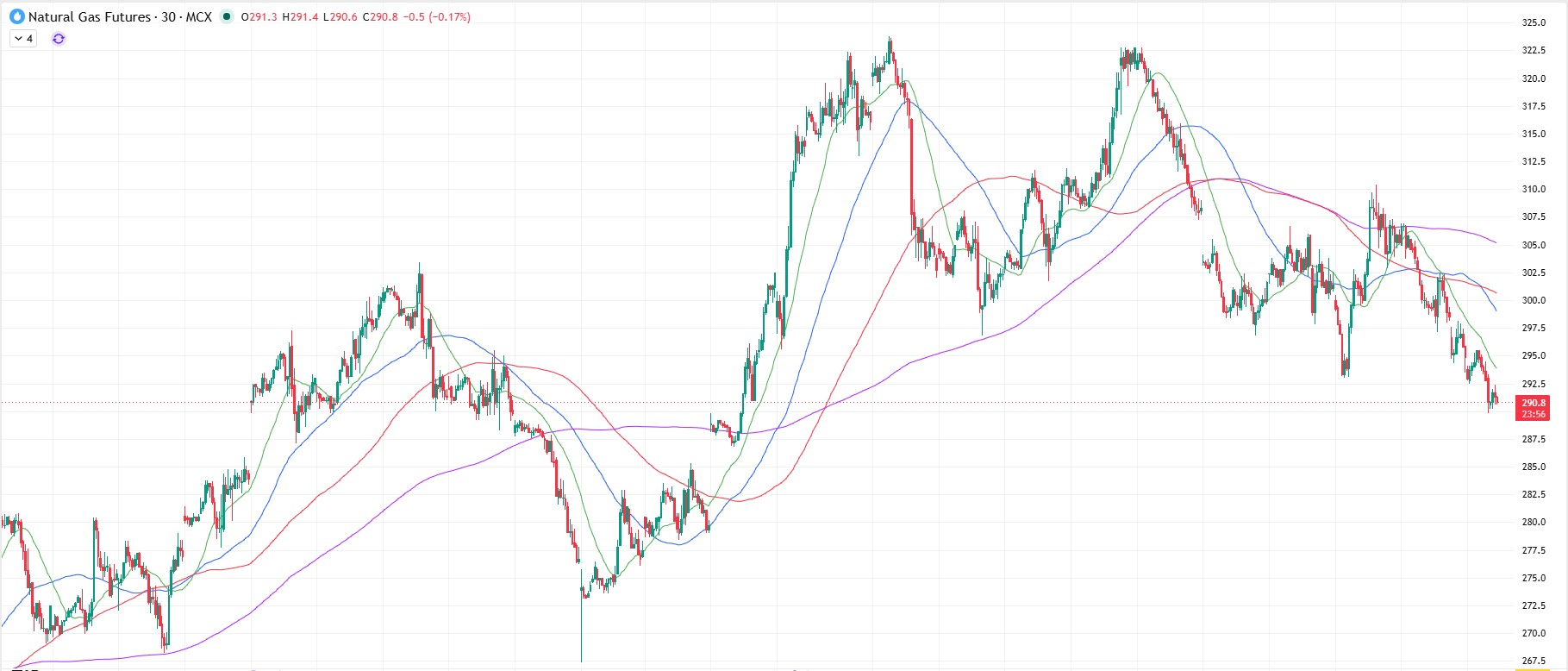
With NATGAS once again under pressure, prices have broken below support in the $2.97–$2.94 area and have declined to around $2.90 at the time of writing. As a result, the risks of a further decline toward $2.85–$2.80 have increased substantially, as I also warned in Natural gas weakens as LNG demand softens and inventories remain ample.


Latest Natural Gas News






-
 Afghanistan
-
 Albania
-
 Algeria
-
 Angola
-
 Argentina
-
 Armenia
-
 Australia
-
 Austria
-
 Azerbaijan
-
 Bahamas
-
 Bahrain
-
 Bangladesh
-
 Belarus
-
 Belgium
-
 Bolivia
-
 Botswana
-
 Brazil
-
 Brunei
-
 Bulgaria
-
 Cambodia
-
 Cameroon
-
 Canada
-
 Chile
Chile
-
 China
China
-
 Colombia
-
 Congo
Congo
-
 Costa Rica
-
 Cote d'Ivoire
-
 Croatia
-
 Cuba
Cuba
-
 Cyprus
-
 Czechia
-
 DR Congo
-
 Denmark
-
 Dominican Republic
-
 Ecuador
-
 Egypt
Egypt
-
 El Salvador
-
 Estonia
-
 Eswatini
-
 Ethiopia
-
 Finland
-
 France
-
 Georgia
-
 Germany
-
 Ghana
Ghana
-
 Greece
-
 Haiti
Haiti
-
 Hong Kong
-
 Hungary
-
 India
India
-
 Indonesia
-
 Iran, Islamic republic
-
 Iraq
Iraq
-
 Ireland
-
 Israel
-
 Italy
Italy
-
 Jamaica
-
 Japan
Japan
-
 Jordan
-
 Kazakhstan
-
 Kenya
Kenya
-
 Korea
Korea
-
 Kuwait
-
 Kyrgyzstan
-
 Laos
Laos
-
 Latvia
-
 Lebanon
-
 Lesotho
-
 Libya
Libya
-
 Lithuania
-
 Luxembourg
-
 Madagascar
-
 Malaysia
-
 Malta
Malta
-
 Mauritius
-
 Mexico
-
 Moldova
-
 Mongolia
-
 Montenegro
-
 Morocco
-
 Mozambique
-
 Myanmar
-
 Namibia
-
 Nepal
Nepal
-
 Netherlands
-
 New Zealand
-
 Nigeria
-
 North Macedonia
-
 Norway
-
 Oman
Oman
-
 Pakistan
-
 Palestine
-
 Panama
-
 Papua New Guinea
-
 Paraguay
-
 Peru
Peru
-
 Philippines
-
 Poland
-
 Portugal
-
 Puerto Rico
-
 Qatar
Qatar
-
 Reunion
-
 Romania
-
 Rwanda
-
 Saudi Arabia
-
 Serbia
-
 Singapore
-
 Slovakia
-
 Slovenia
-
 Somalia
-
 South Africa
-
 Spain
Spain
-
 Sri Lanka
-
 Sweden
-
 Switzerland
-
 Syria
Syria
-
 Taiwan
-
 Tajikistan
-
 Tanzania
-
 Thailand
-
 Trinidad and Tobago
-
 Tunisia
-
 Turkey
-
 UAE
UAE
-
 Uganda
-
 Ukraine
-
 United Kingdom
-
United States
-
 Uruguay
-
 Uzbekistan
-
 Venezuela
-
 Vietnam
-
 Yemen
Yemen
-
 Zambia
-
 Zimbabwe
- Forex
- Crypto











