
House Financial Services panel reviews Federal Reserve structure at Oklahoma hearing
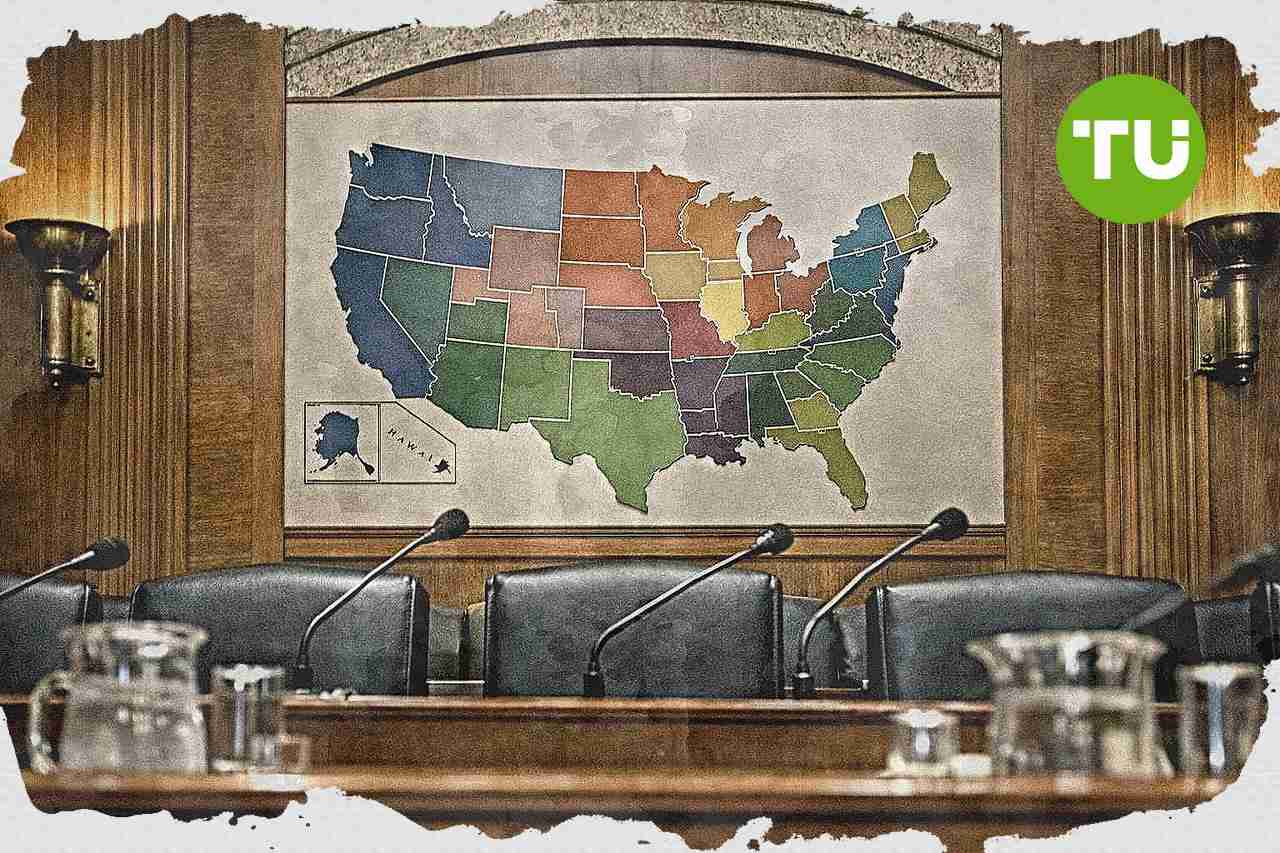
Federal lawmakers are holding a field hearing in Oklahoma City on June 12 on how the Federal Reserve System is structured and how it represents economic conditions across the country. The session centers on whether the central bank’s regional design helps reflect differences in how monetary policy affects industries and communities from farm states to major financial centers.
Highlights
- House Financial Services Task Force, led by Frank Lucas, convenes in Oklahoma City to examine the Federal Reserve's 12-district structure and regional role.
- Lucas emphasizes the governance of Reserve Banks, with boards and advisory councils integrating local banking, community, and industry perspectives into monetary policy decisions.
- Regional specializations, such as the St. Louis Fed's FRED database and Dallas Fed's oil expertise, demonstrate the Fed system's intent to consider diverse economic signals in policy transmission.
Oklahoma hearing focuses on Fed design
As reported by the House Committee on Financial Services, the panel’s Task Force on Monetary Policy, Treasury Market Resilience, and Economic Prosperity is convening the hearing under the title “Examining the Structure of the Federal Reserve System.” Task Force Chairman Frank Lucas is leading the session in Oklahoma City and frames the discussion around the Fed’s regional structure and its role in monetary policy formation.In prepared opening remarks, Lucas says the Federal Reserve’s 12-district model was designed to avoid an overly centralized monetary system and to keep the institution responsive to concerns from across the country. He points to the Federal Reserve Act of 1913 and says the system combines private Reserve Banks with oversight from the Board of Governors in Washington, D.C.
Lucas also highlights the governance structure of the Reserve Banks, including their boards of directors and advisory councils, saying those bodies help bring district-level banking, community and industry perspectives into the central bank’s decision-making process. He describes the Reserve Banks as contributors to supervision, payments-system safety and monetary policy input, while noting that rotating voting seats at the Federal Open Market Committee give five Reserve Bank presidents a direct role in setting administered rates.
Regional impact on monetary policy transmission
Lucas argues that regional economic specialization remains central to the Fed’s structure, citing examples such as the St. Louis Fed’s FRED database, Dallas Fed oil expertise, Richmond Fed attention to rural economies and Kansas City Fed strength in agricultural economics. His remarks present those district-specific capabilities as evidence that the system is built to capture varied economic signals rather than a single national viewpoint.The business implication of that argument is that interest-rate decisions and broader monetary conditions do not affect all regions in the same way. Lucas says monetary policy transmission is different in Oklahoma than it is in New York, and he uses that contrast to argue for representation of farmers, ranchers and other regionally important industries when policy choices are being made.
Our earlier coverage of the U.S. debt-to-GDP ratio surpassing 100% examined how higher interest rates are reviving the political debate over deficit reduction. We noted that elevated Treasury yields are raising debt-service costs and feeding into household pressures such as higher mortgage rates, increasing electoral incentives for fiscal consolidation even without a market crisis.




Latest Fed News









-
 Afghanistan
-
 Albania
-
 Algeria
-
 Angola
-
 Argentina
-
 Armenia
-
 Australia
-
 Austria
-
 Azerbaijan
-
 Bahamas
-
 Bahrain
-
 Bangladesh
-
 Belarus
-
 Belgium
-
 Bolivia
-
 Botswana
-
 Brazil
-
 Brunei
-
 Bulgaria
-
 Cambodia
-
 Cameroon
-
 Canada
-
 Chile
Chile
-
 China
China
-
 Colombia
-
 Congo
Congo
-
 Costa Rica
-
 Cote d'Ivoire
-
 Croatia
-
 Cuba
Cuba
-
 Cyprus
-
 Czechia
-
 DR Congo
-
 Denmark
-
 Dominican Republic
-
 Ecuador
-
 Egypt
Egypt
-
 El Salvador
-
 Estonia
-
 Eswatini
-
 Ethiopia
-
 Finland
-
 France
-
 Georgia
-
 Germany
-
 Ghana
Ghana
-
 Greece
-
 Haiti
Haiti
-
 Hong Kong
-
 Hungary
-
 India
India
-
 Indonesia
-
 Iran, Islamic republic
-
 Iraq
Iraq
-
 Ireland
-
 Israel
-
 Italy
Italy
-
 Jamaica
-
 Japan
Japan
-
 Jordan
-
 Kazakhstan
-
 Kenya
Kenya
-
 Korea
Korea
-
 Kuwait
-
 Kyrgyzstan
-
 Laos
Laos
-
 Latvia
-
 Lebanon
-
 Lesotho
-
 Libya
Libya
-
 Lithuania
-
 Luxembourg
-
 Madagascar
-
 Malaysia
-
 Malta
Malta
-
 Mauritius
-
 Mexico
-
 Moldova
-
 Mongolia
-
 Montenegro
-
 Morocco
-
 Mozambique
-
 Myanmar
-
 Namibia
-
 Nepal
Nepal
-
 Netherlands
-
 New Zealand
-
 Nigeria
-
 North Macedonia
-
 Norway
-
 Oman
Oman
-
 Pakistan
-
 Palestine
-
 Panama
-
 Papua New Guinea
-
 Paraguay
-
 Peru
Peru
-
 Philippines
-
 Poland
-
 Portugal
-
 Puerto Rico
-
 Qatar
Qatar
-
 Reunion
-
 Romania
-
 Rwanda
-
 Saudi Arabia
-
 Serbia
-
 Singapore
-
 Slovakia
-
 Slovenia
-
 Somalia
-
 South Africa
-
 Spain
Spain
-
 Sri Lanka
-
 Sweden
-
 Switzerland
-
 Syria
Syria
-
 Taiwan
-
 Tajikistan
-
 Tanzania
-
 Thailand
-
 Trinidad and Tobago
-
 Tunisia
-
 Turkey
-
 UAE
UAE
-
 Uganda
-
 Ukraine
-
 United Kingdom
-
United States
-
 Uruguay
-
 Uzbekistan
-
 Venezuela
-
 Vietnam
-
 Yemen
Yemen
-
 Zambia
-
 Zimbabwe
- Forex
- Crypto












