
Anduril calls for U.S. arms export reset to expand allied weapons production
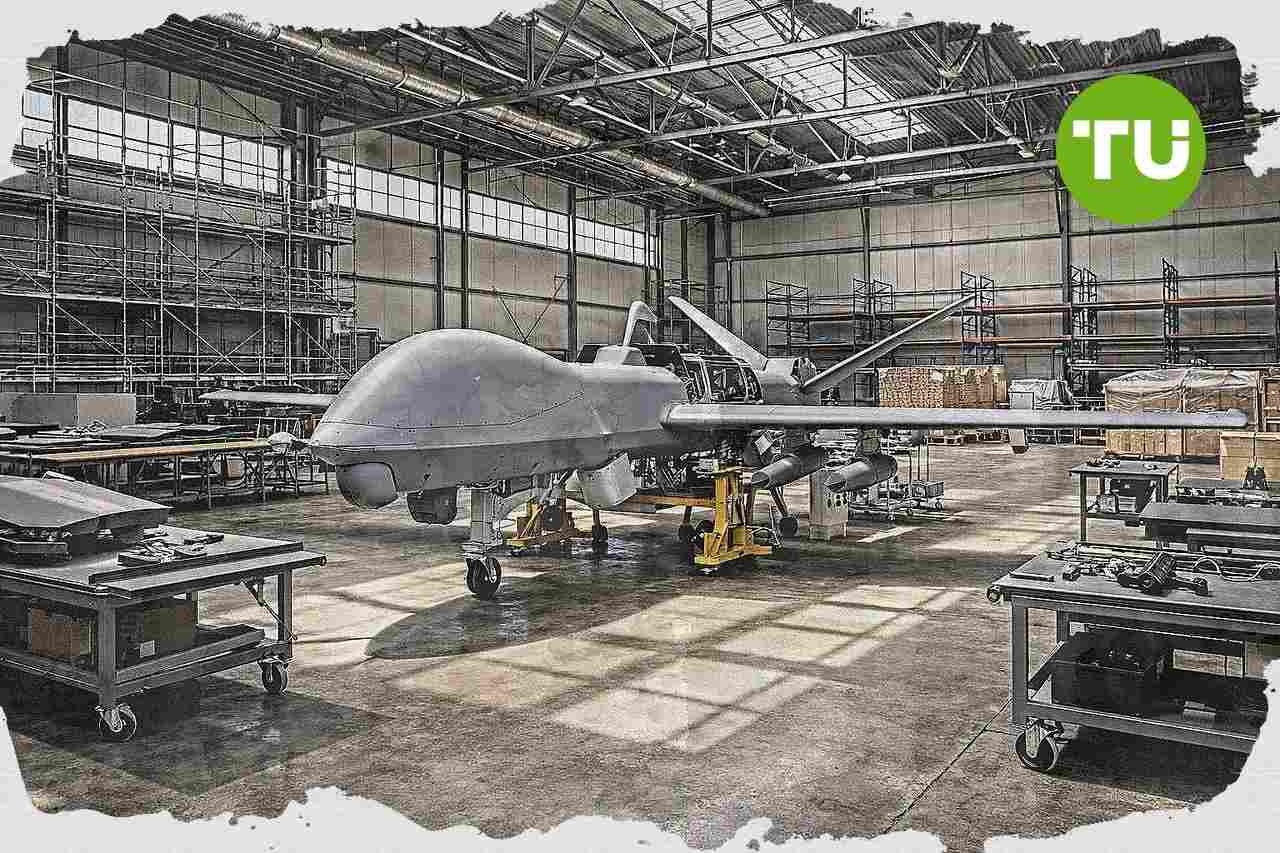
Anduril Industries is pushing for changes to U.S. arms export rules as Western militaries seek faster, lower-cost weapons production in response to evolving battlefield demands. The California-based defence technology group argues that allied countries should do more than buy American systems and should also help manufacture them locally.
Highlights
- Anduril CEO Brian Schimpf called for a reset of U.S. export controls to allow allied countries to manufacture U.S.-origin weapons locally, citing the need for scalable, low-cost systems.
- Anduril is expanding manufacturing in the U.S. with the new Arsenal-1 facility in Ohio and is considering opening an Arsenal-2 site in Europe, leveraging local industrial bases and supply chains.
- Anduril raised $5 billion in May, nearly doubling its valuation to $61 billion, with 2025 revenue projected above $4.3 billion, but the company remains unprofitable.
Export controls and production strategy
As reported by the Financial Times, chief executive Brian Schimpf says the current U.S. export control regime needs a reset so allied nations can contribute to manufacturing U.S.-origin weapons. He argues that the need to produce low-cost systems at scale has become a central issue for the Western alliance, particularly as drone warfare reshapes military requirements.The sale of American weapons remains tightly governed by ITAR, the International Traffic in Arms Regulations, which require export approvals and protections for sensitive technologies. Schimpf says those rules no longer fully reflect the realities of modern warfare, where many systems rely on commercially derived technology and where speed of production has become a strategic advantage.
He says allies producing U.S.-origin weapons locally could also adapt those systems to their own operational needs. While high-end platforms such as the F-35 would still fit the traditional export model, he says newer categories of weapons require a less restrictive framework.
European expansion and defence tech growth
Anduril is already expanding its manufacturing footprint in the U.S., where it has started building Arsenal-1 in Ohio to mass-produce drones and other weapons. The company is also exploring a broader presence in Europe, where Schimpf says it could potentially build a large-scale Arsenal-2 facility and draw on the continent's industrial base.Schimpf says Anduril has deliberately kept key component designs in-house, which makes localisation easier by allowing the company to plug into local supply chains. The group last year signed a partnership with Germany's Rheinmetall to design and manufacture variants of its Barracuda cruise missile and Fury autonomous air vehicle, and he says that work is still ongoing.
Investor interest in defence technology has risen sharply as conflicts in Ukraine and the Middle East highlight the value of cheaper autonomous systems deployed at scale. Anduril raised $5 billion in May in a deal that nearly doubled its valuation to $61 billion, while its revenue roughly doubled over the past year to $2.2 billion in 2025 and is projected to exceed $4.3 billion this year, although the company remains lossmaking.
Our earlier coverage of Europe’s defence spending disputes and procurement delays noted that political frictions are starting to cool expectations for the region’s defence industry after a strong rally in sector shares. We also highlighted that even where budgets are rising, slow purchasing processes and uneven commitment to higher NATO-style spending targets are weighing on forecasts and valuations for major defence contractors.



Latest Supply Chain News




-
 Afghanistan
-
 Albania
-
 Algeria
-
 Angola
-
 Argentina
-
 Armenia
-
 Australia
-
 Austria
-
 Azerbaijan
-
 Bahamas
-
 Bahrain
-
 Bangladesh
-
 Belarus
-
 Belgium
-
 Bolivia
-
 Botswana
-
 Brazil
-
 Brunei
-
 Bulgaria
-
 Cambodia
-
 Cameroon
-
 Canada
-
 Chile
Chile
-
 China
China
-
 Colombia
-
 Congo
Congo
-
 Costa Rica
-
 Cote d'Ivoire
-
 Croatia
-
 Cuba
Cuba
-
 Cyprus
-
 Czechia
-
 DR Congo
-
 Denmark
-
 Dominican Republic
-
 Ecuador
-
 Egypt
Egypt
-
 El Salvador
-
 Estonia
-
 Eswatini
-
 Ethiopia
-
 Finland
-
 France
-
 Georgia
-
 Germany
-
 Ghana
Ghana
-
 Greece
-
 Haiti
Haiti
-
 Hong Kong
-
 Hungary
-
 India
India
-
 Indonesia
-
 Iran, Islamic republic
-
 Iraq
Iraq
-
 Ireland
-
 Israel
-
 Italy
Italy
-
 Jamaica
-
 Japan
Japan
-
 Jordan
-
 Kazakhstan
-
 Kenya
Kenya
-
 Korea
Korea
-
 Kuwait
-
 Kyrgyzstan
-
 Laos
Laos
-
 Latvia
-
 Lebanon
-
 Lesotho
-
 Libya
Libya
-
 Lithuania
-
 Luxembourg
-
 Madagascar
-
 Malaysia
-
 Malta
Malta
-
 Mauritius
-
 Mexico
-
 Moldova
-
 Mongolia
-
 Montenegro
-
 Morocco
-
 Mozambique
-
 Myanmar
-
 Namibia
-
 Nepal
Nepal
-
 Netherlands
-
 New Zealand
-
 Nigeria
-
 North Macedonia
-
 Norway
-
 Oman
Oman
-
 Pakistan
-
 Palestine
-
 Panama
-
 Papua New Guinea
-
 Paraguay
-
 Peru
Peru
-
 Philippines
-
 Poland
-
 Portugal
-
 Puerto Rico
-
 Qatar
Qatar
-
 Reunion
-
 Romania
-
 Rwanda
-
 Saudi Arabia
-
 Serbia
-
 Singapore
-
 Slovakia
-
 Slovenia
-
 Somalia
-
 South Africa
-
 Spain
Spain
-
 Sri Lanka
-
 Sweden
-
 Switzerland
-
 Syria
Syria
-
 Taiwan
-
 Tajikistan
-
 Tanzania
-
 Thailand
-
 Trinidad and Tobago
-
 Tunisia
-
 Turkey
-
 UAE
UAE
-
 Uganda
-
 Ukraine
-
 United Kingdom
-
United States
-
 Uruguay
-
 Uzbekistan
-
 Venezuela
-
 Vietnam
-
 Yemen
Yemen
-
 Zambia
-
 Zimbabwe
- Forex
- Crypto











