
ReElement Technologies drops Pentagon loan pursuit as U.S. rare earths funding plan shifts
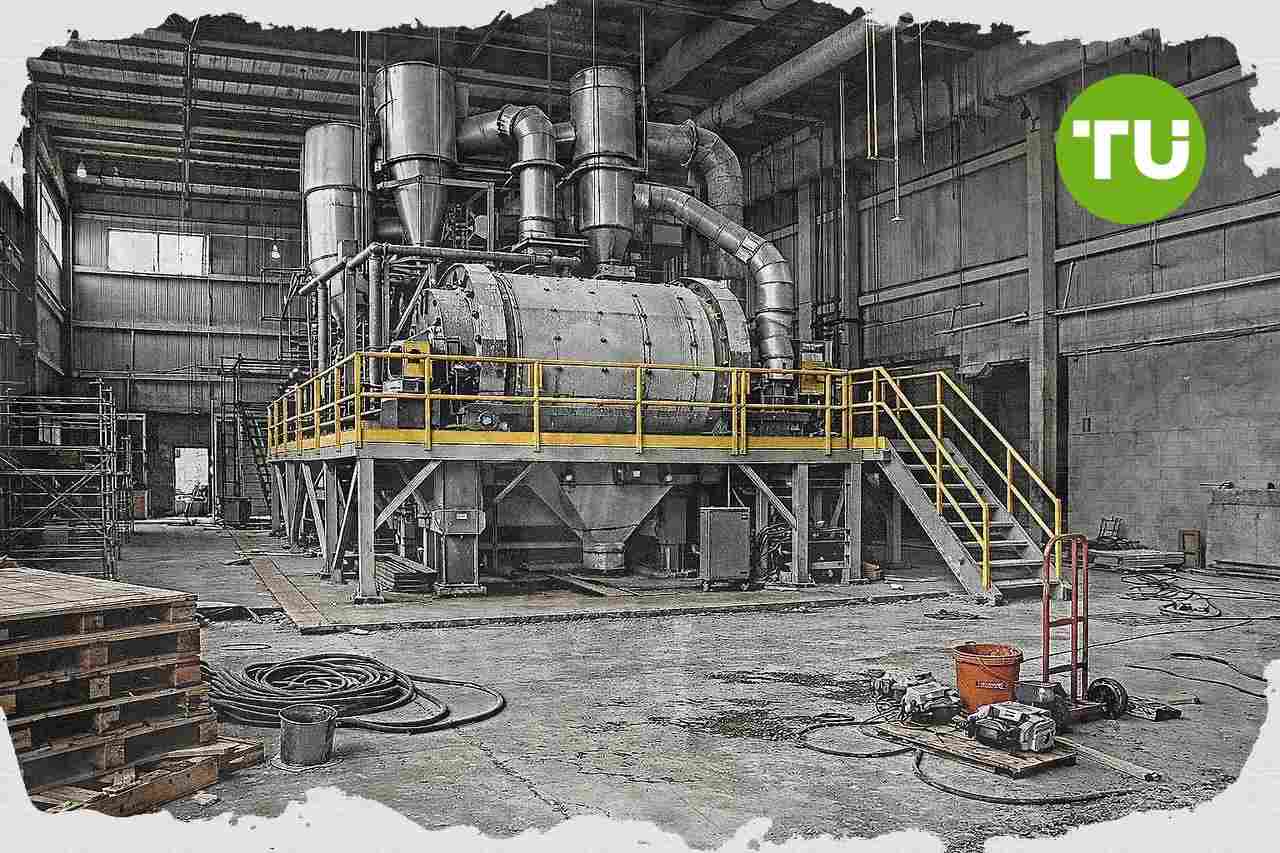
A U.S. effort to build a domestic rare earths supply chain faces a financing change after ReElement Technologies stops pursuing an $80 million Pentagon loan tied to a broader critical minerals package. The move affects a project positioned as part of Washington's strategy to reduce dependence on China for rare earth processing and magnet production.
Highlights
- ReElement Technologies withdrew from the $80 million Pentagon loan offer due to federal due diligence challenges, instead exploring alternative government or private funding options as of June 29.
- The $700 million Department of Defense critical minerals financing package remains partially active, with Vulcan Elements still set to receive a $620 million loan for rare earths magnet production.
- Loss of Pentagon financing may increase ReElement's borrowing costs for its Indiana facility, while both firms remain central to U.S. efforts to counter China's rare earths dominance.
Loan withdrawal and alternative funding options
As first reported by Reuters, ReElement Technologies is no longer seeking the $80 million Pentagon loan after struggling to satisfy federal due diligence requirements tied to the conditional offer, according to two administration officials who spoke on condition of anonymity.The startup is still seeking other forms of federal assistance, including the possibility of a new government loan under different terms, the officials said. ReElement CEO Mark Jensen told Reuters in June that the company decided it did not need the original government loan and preferred to rely on private investment rather than add debt and related costs to its balance sheet.
In a follow-up statement on June 29, Jensen said the company was still exploring options with the government and that the structure had changed based on mutual interest. He declined to clarify whether ReElement is still pursuing a government loan or another type of financing, and did not answer questions about the due diligence requirements.
Supply chain goals and political scrutiny
The loan was part of a $700 million critical minerals financing package announced last November by the U.S. Department of Defense's Office of Strategic Capital. That package also includes a $620 million loan for Vulcan Elements, whose financing remains on track, administration officials said.Under plans announced last year, ReElement is expected to process rare earths for Vulcan, which aims to make 10,000 metric tons of magnets per year for the Pentagon. Administration officials have described both companies as central to U.S. efforts to counter China's dominance in rare earths processing and magnet production used in electric vehicles, advanced electronics and military systems.
White House senior adviser Peter Navarro said the administration continues to support ReElement as part of a broader push to strengthen domestic supply chains tied to national security. A White House official also said the administration continues to explore different deal structures with ReElement, while the Department of Defense declined to comment.
The financing package has also drawn scrutiny from Democratic lawmakers over whether Vulcan's ties to Donald Trump Jr. influenced the federal support decision. ReElement has not publicly disclosed a cost estimate for renovating its planned commercial facility in Marion, Indiana, and the loss of lower-cost Pentagon financing could raise its borrowing costs if it turns more heavily to private lenders.
Our earlier article on SK Hynix’s $26.5 billion U.S. ADR offering covered the largest first-time share sale by a foreign company in the American market, driven by investor demand for AI infrastructure exposure. We noted the deal was heavily oversubscribed, set up Nasdaq trading under SKHYV/SKHY, and positioned the memory-chip maker to tap deeper U.S. capital pools to support expansion as HBM demand accelerates.



Latest Supply Chain News






-
 Afghanistan
-
 Albania
-
 Algeria
-
 Angola
-
 Argentina
-
 Armenia
-
 Australia
-
 Austria
-
 Azerbaijan
-
 Bahamas
-
 Bahrain
-
 Bangladesh
-
 Belarus
-
 Belgium
-
 Bolivia
-
 Botswana
-
 Brazil
-
 Brunei
-
 Bulgaria
-
 Cambodia
-
 Cameroon
-
 Canada
-
 Chile
Chile
-
 China
China
-
 Colombia
-
 Congo
Congo
-
 Costa Rica
-
 Cote d'Ivoire
-
 Croatia
-
 Cuba
Cuba
-
 Cyprus
-
 Czechia
-
 DR Congo
-
 Denmark
-
 Dominican Republic
-
 Ecuador
-
 Egypt
Egypt
-
 El Salvador
-
 Estonia
-
 Eswatini
-
 Ethiopia
-
 Finland
-
 France
-
 Georgia
-
 Germany
-
 Ghana
Ghana
-
 Greece
-
 Haiti
Haiti
-
 Hong Kong
-
 Hungary
-
 India
India
-
 Indonesia
-
 Iran, Islamic republic
-
 Iraq
Iraq
-
 Ireland
-
 Israel
-
 Italy
Italy
-
 Jamaica
-
 Japan
Japan
-
 Jordan
-
 Kazakhstan
-
 Kenya
Kenya
-
 Korea
Korea
-
 Kuwait
-
 Kyrgyzstan
-
 Laos
Laos
-
 Latvia
-
 Lebanon
-
 Lesotho
-
 Libya
Libya
-
 Lithuania
-
 Luxembourg
-
 Madagascar
-
 Malaysia
-
 Malta
Malta
-
 Mauritius
-
 Mexico
-
 Moldova
-
 Mongolia
-
 Montenegro
-
 Morocco
-
 Mozambique
-
 Myanmar
-
 Namibia
-
 Nepal
Nepal
-
 Netherlands
-
 New Zealand
-
 Nigeria
-
 North Macedonia
-
 Norway
-
 Oman
Oman
-
 Pakistan
-
 Palestine
-
 Panama
-
 Papua New Guinea
-
 Paraguay
-
 Peru
Peru
-
 Philippines
-
 Poland
-
 Portugal
-
 Puerto Rico
-
 Qatar
Qatar
-
 Reunion
-
 Romania
-
 Rwanda
-
 Saudi Arabia
-
 Serbia
-
 Singapore
-
 Slovakia
-
 Slovenia
-
 Somalia
-
 South Africa
-
 Spain
Spain
-
 Sri Lanka
-
 Sweden
-
 Switzerland
-
 Syria
Syria
-
 Taiwan
-
 Tajikistan
-
 Tanzania
-
 Thailand
-
 Trinidad and Tobago
-
 Tunisia
-
 Turkey
-
 UAE
UAE
-
 Uganda
-
 Ukraine
-
 United Kingdom
-
United States
-
 Uruguay
-
 Uzbekistan
-
 Venezuela
-
 Vietnam
-
 Yemen
Yemen
-
 Zambia
-
 Zimbabwe
- Forex
- Crypto











