
U.S. states rank on infrastructure-led business competitiveness in 2026 CNBC study

A two-decade competitiveness review of all 50 states shifts its emphasis in 2026 as companies prioritize logistics access, utilities and energy availability in location decisions. The annual ranking evaluates states across 138 metrics in 10 categories, with permitting ease added for the first time as a factor in overall business appeal.
Highlights
- CNBC's 2026 Top States for Business study measures every U.S. state on up to 2,500 points using 138 metrics in 10 categories.
- Infrastructure receives the highest weighting in 2026, driven by demand for transport access, reliable utilities, fresh water, and abundant energy for advanced sectors.
- Ease of permitting is included for the first time in the rankings, reflecting companies' increased focus on minimizing regulatory delays when selecting locations.
How the 2026 rankings are measured
As reported by CNBC, its 2026 Top States for Business study scores every state on a maximum of 2,500 points using 138 metrics across 10 broad categories of competitiveness. The methodology is designed to reflect the factors companies weigh when choosing sites and the areas states emphasize in their economic development strategies to attract jobs and investment.The study, now in its 20th year, keeps its core framework in place while adjusting category weightings each year to match changing market conditions. CNBC said the categories have remained largely consistent since the first edition in 2007, but their relative importance changes depending on what businesses are seeking most actively.
Infrastructure and workforce shape the outlook
Infrastructure becomes the top-weighted category in 2026, reflecting demand for locations near transport hubs, reliable utilities, access to fresh water and abundant energy supplies, especially for advanced manufacturing and data centers. The study also factors in ease of permitting for the first time, highlighting the value companies place on reducing regulatory delays.Economy, which held the top spot last year as President Donald Trump's second-term agenda took shape, moves to second place, followed by workforce. CNBC said a national skills gap still persists, but a cooler job market and productivity gains from AI are changing how labor conditions affect state competitiveness.
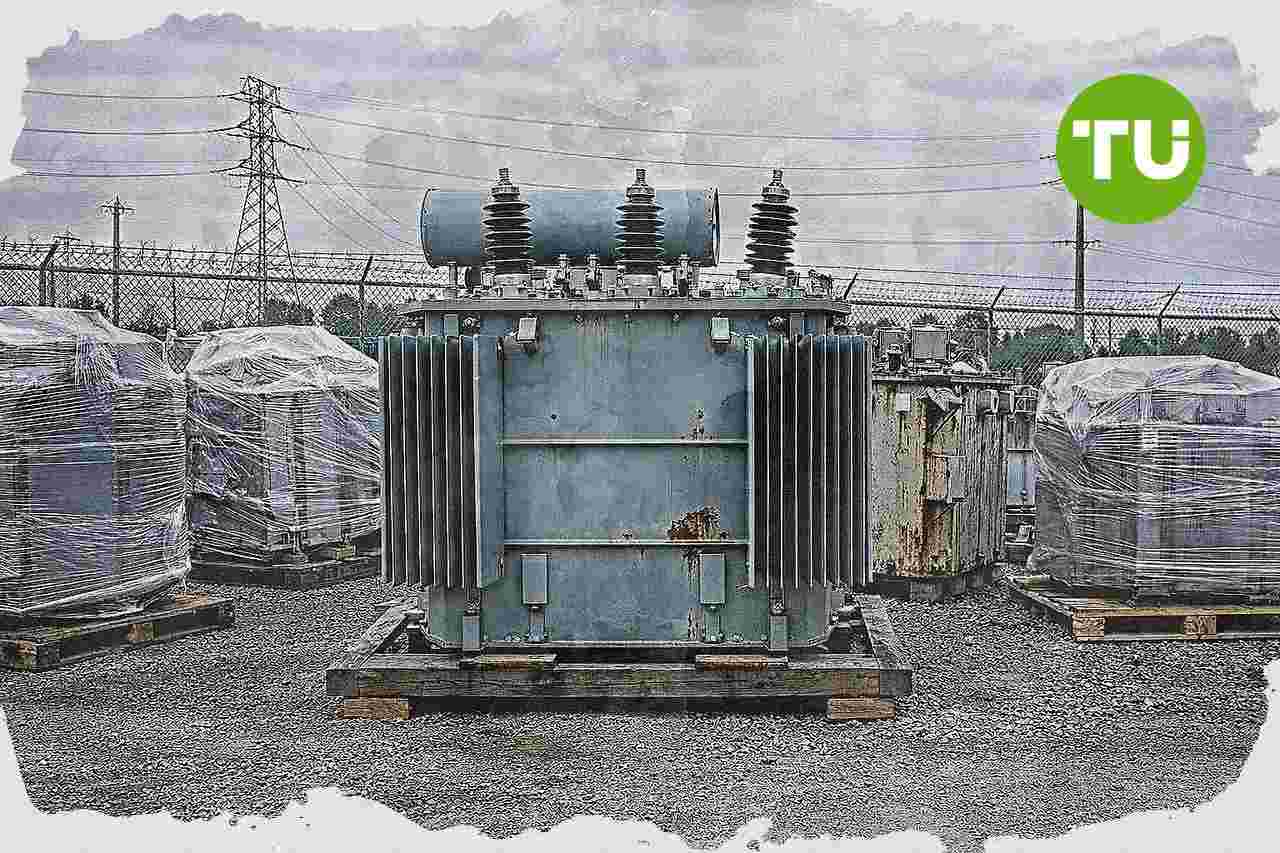
In our earlier coverage of AI data center buildouts, we noted that surging demand is worsening U.S. shortages of transformers and other critical grid equipment, pushing delivery times into multi-year ranges and raising project costs. The report also explained how utilities and developers are adapting by ordering hardware years earlier, diversifying suppliers, and using upfront payments or long-term agreements to secure production slots.



Latest Supply Chain News






-
 Afghanistan
-
 Albania
-
 Algeria
-
 Angola
-
 Argentina
-
 Armenia
-
 Australia
-
 Austria
-
 Azerbaijan
-
 Bahamas
-
 Bahrain
-
 Bangladesh
-
 Belarus
-
 Belgium
-
 Bolivia
-
 Botswana
-
 Brazil
-
 Brunei
-
 Bulgaria
-
 Cambodia
-
 Cameroon
-
 Canada
-
 Chile
Chile
-
 China
China
-
 Colombia
-
 Congo
Congo
-
 Costa Rica
-
 Cote d'Ivoire
-
 Croatia
-
 Cuba
Cuba
-
 Cyprus
-
 Czechia
-
 DR Congo
-
 Denmark
-
 Dominican Republic
-
 Ecuador
-
 Egypt
Egypt
-
 El Salvador
-
 Estonia
-
 Eswatini
-
 Ethiopia
-
 Finland
-
 France
-
 Georgia
-
 Germany
-
 Ghana
Ghana
-
 Greece
-
 Haiti
Haiti
-
 Hong Kong
-
 Hungary
-
 India
India
-
 Indonesia
-
 Iran, Islamic republic
-
 Iraq
Iraq
-
 Ireland
-
 Israel
-
 Italy
Italy
-
 Jamaica
-
 Japan
Japan
-
 Jordan
-
 Kazakhstan
-
 Kenya
Kenya
-
 Korea
Korea
-
 Kuwait
-
 Kyrgyzstan
-
 Laos
Laos
-
 Latvia
-
 Lebanon
-
 Lesotho
-
 Libya
Libya
-
 Lithuania
-
 Luxembourg
-
 Madagascar
-
 Malaysia
-
 Malta
Malta
-
 Mauritius
-
 Mexico
-
 Moldova
-
 Mongolia
-
 Montenegro
-
 Morocco
-
 Mozambique
-
 Myanmar
-
 Namibia
-
 Nepal
Nepal
-
 Netherlands
-
 New Zealand
-
 Nigeria
-
 North Macedonia
-
 Norway
-
 Oman
Oman
-
 Pakistan
-
 Palestine
-
 Panama
-
 Papua New Guinea
-
 Paraguay
-
 Peru
Peru
-
 Philippines
-
 Poland
-
 Portugal
-
 Puerto Rico
-
 Qatar
Qatar
-
 Reunion
-
 Romania
-
 Rwanda
-
 Saudi Arabia
-
 Serbia
-
 Singapore
-
 Slovakia
-
 Slovenia
-
 Somalia
-
 South Africa
-
 Spain
Spain
-
 Sri Lanka
-
 Sweden
-
 Switzerland
-
 Syria
Syria
-
 Taiwan
-
 Tajikistan
-
 Tanzania
-
 Thailand
-
 Trinidad and Tobago
-
 Tunisia
-
 Turkey
-
 UAE
UAE
-
 Uganda
-
 Ukraine
-
 United Kingdom
-
United States
-
 Uruguay
-
 Uzbekistan
-
 Venezuela
-
 Vietnam
-
 Yemen
Yemen
-
 Zambia
-
 Zimbabwe
- Forex
- Crypto











