
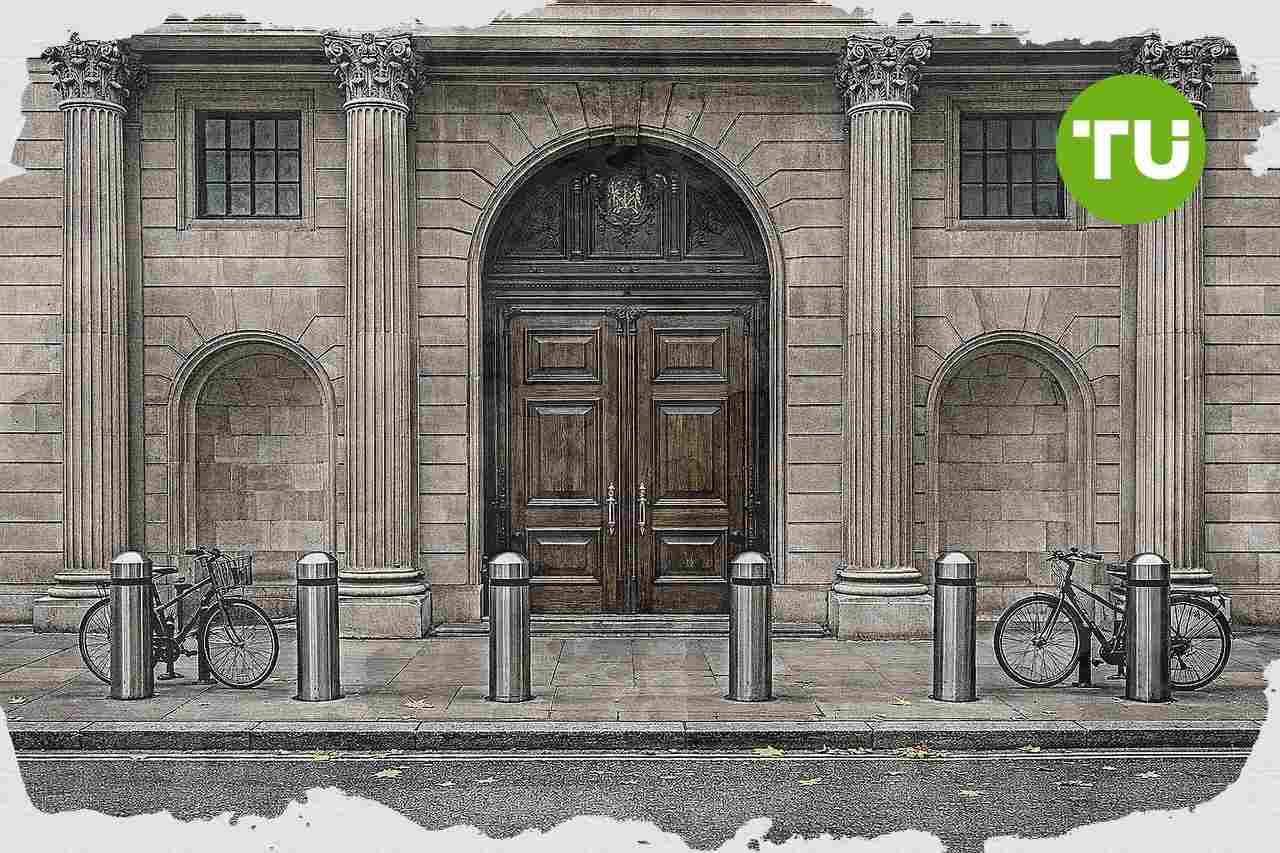
Bank of England set to keep rates on hold as Iran war clouds inflation outlook

Britain's central bank is poised to leave interest rates unchanged at 3.75% on Thursday as policymakers weigh whether higher energy prices linked to the Iran war will create lasting inflation pressure. The decision comes as weaker economic data and rising unemployment expectations temper the case for an immediate rate increase despite inflation risks.
Highlights
- Bank of England likely to keep rates on hold as Governor Andrew Bailey cites prior effective tightening and recent energy price shocks impacting inflation outlook.
- UK economy contracted 0.1% in April and CBI forecasts unemployment to hit an 11-year high of 5.5%, limiting prospects for aggressive tightening.
- Financial markets now price in a potential BoE rate rise no earlier than November, down from expectations of up to four hikes earlier in the year.
Rate decision in focus amid inflation uncertainty
As reported by Reuters, Bank of England Governor Andrew Bailey sees room to wait before deciding if the recent energy shock requires tighter policy, arguing the central bank has already effectively tightened by abandoning earlier plans to cut rates this year.In contrast with the European Central Bank, which raised rates for the first time in nearly three years last week, Bailey says previous policy shifts are already feeding through to the economy. Speaking at a conference in Reykjavik last month, he says the Bank has tightened policy considerably relative to what markets had expected.
Not all policymakers share that view. Chief Economist Huw Pill voted for a rate rise in April, having already judged policy too loose before the conflict, and one or two other members of the nine-person Monetary Policy Committee could join him this month in backing a quarter-point increase.
Weak growth and labour risks shape UK outlook
Recent official data show Britain's economy shrank 0.1% in April after expanding 0.3% in the first quarter, while the Confederation of British Industry predicts unemployment will reach an 11-year high of 5.5%. That backdrop suggests a rise in inflation to just above 3.5% later this year may squeeze households and lift inflation concerns, but is seen as less likely to trigger a broader wage-price spiral.Financial markets on Friday, when U.S. President Donald Trump says again that a deal with Iran to halt the war is close, do not fully price in a BoE rate rise until November. Earlier in the conflict, markets had priced in as many as four rate hikes this year.
British inflation has been at or below the BoE's 2% target for only a few months over the past five years, a weaker record than the ECB or the U.S. Federal Reserve. Supply-chain disruption after COVID and Russia's full-scale invasion of Ukraine pushed up oil and gas prices, while domestic factors including regulated energy and water bills continue to keep headline inflation above target.
Our earlier report on UK manufacturers’ warnings over high energy costs explained that elevated power bills are eroding competitiveness and raising the risk of production moving overseas, with many firms saying existing relief has brought little benefit. It also noted calls to widen and speed up electricity-bill support for industry as the Iran war adds to energy-price pressure and strains on public finances intensify.




Latest Bank of England News









-
 Afghanistan
-
 Albania
-
 Algeria
-
 Angola
-
 Argentina
-
 Armenia
-
 Australia
-
 Austria
-
 Azerbaijan
-
 Bahamas
-
 Bahrain
-
 Bangladesh
-
 Belarus
-
 Belgium
-
 Bolivia
-
 Botswana
-
 Brazil
-
 Brunei
-
 Bulgaria
-
 Cambodia
-
 Cameroon
-
 Canada
-
 Chile
Chile
-
 China
China
-
 Colombia
-
 Congo
Congo
-
 Costa Rica
-
 Cote d'Ivoire
-
 Croatia
-
 Cuba
Cuba
-
 Cyprus
-
 Czechia
-
 DR Congo
-
 Denmark
-
 Dominican Republic
-
 Ecuador
-
 Egypt
Egypt
-
 El Salvador
-
 Estonia
-
 Eswatini
-
 Ethiopia
-
 Finland
-
 France
-
 Georgia
-
 Germany
-
 Ghana
Ghana
-
 Greece
-
 Haiti
Haiti
-
 Hong Kong
-
 Hungary
-
 India
India
-
 Indonesia
-
 Iran, Islamic republic
-
 Iraq
Iraq
-
 Ireland
-
 Israel
-
 Italy
Italy
-
 Jamaica
-
 Japan
Japan
-
 Jordan
-
 Kazakhstan
-
 Kenya
Kenya
-
 Korea
Korea
-
 Kuwait
-
 Kyrgyzstan
-
 Laos
Laos
-
 Latvia
-
 Lebanon
-
 Lesotho
-
 Libya
Libya
-
 Lithuania
-
 Luxembourg
-
 Madagascar
-
 Malaysia
-
 Malta
Malta
-
 Mauritius
-
 Mexico
-
 Moldova
-
 Mongolia
-
 Montenegro
-
 Morocco
-
 Mozambique
-
 Myanmar
-
 Namibia
-
 Nepal
Nepal
-
 Netherlands
-
 New Zealand
-
 Nigeria
-
 North Macedonia
-
 Norway
-
 Oman
Oman
-
 Pakistan
-
 Palestine
-
 Panama
-
 Papua New Guinea
-
 Paraguay
-
 Peru
Peru
-
 Philippines
-
 Poland
-
 Portugal
-
 Puerto Rico
-
 Qatar
Qatar
-
 Reunion
-
 Romania
-
 Rwanda
-
 Saudi Arabia
-
 Serbia
-
 Singapore
-
 Slovakia
-
 Slovenia
-
 Somalia
-
 South Africa
-
 Spain
Spain
-
 Sri Lanka
-
 Sweden
-
 Switzerland
-
 Syria
Syria
-
 Taiwan
-
 Tajikistan
-
 Tanzania
-
 Thailand
-
 Trinidad and Tobago
-
 Tunisia
-
 Turkey
-
 UAE
UAE
-
 Uganda
-
 Ukraine
-
 United Kingdom
-
United States
-
 Uruguay
-
 Uzbekistan
-
 Venezuela
-
 Vietnam
-
 Yemen
Yemen
-
 Zambia
-
 Zimbabwe
- Forex
- Crypto












