
Britain manufacturers warn high energy costs are pushing jobs overseas

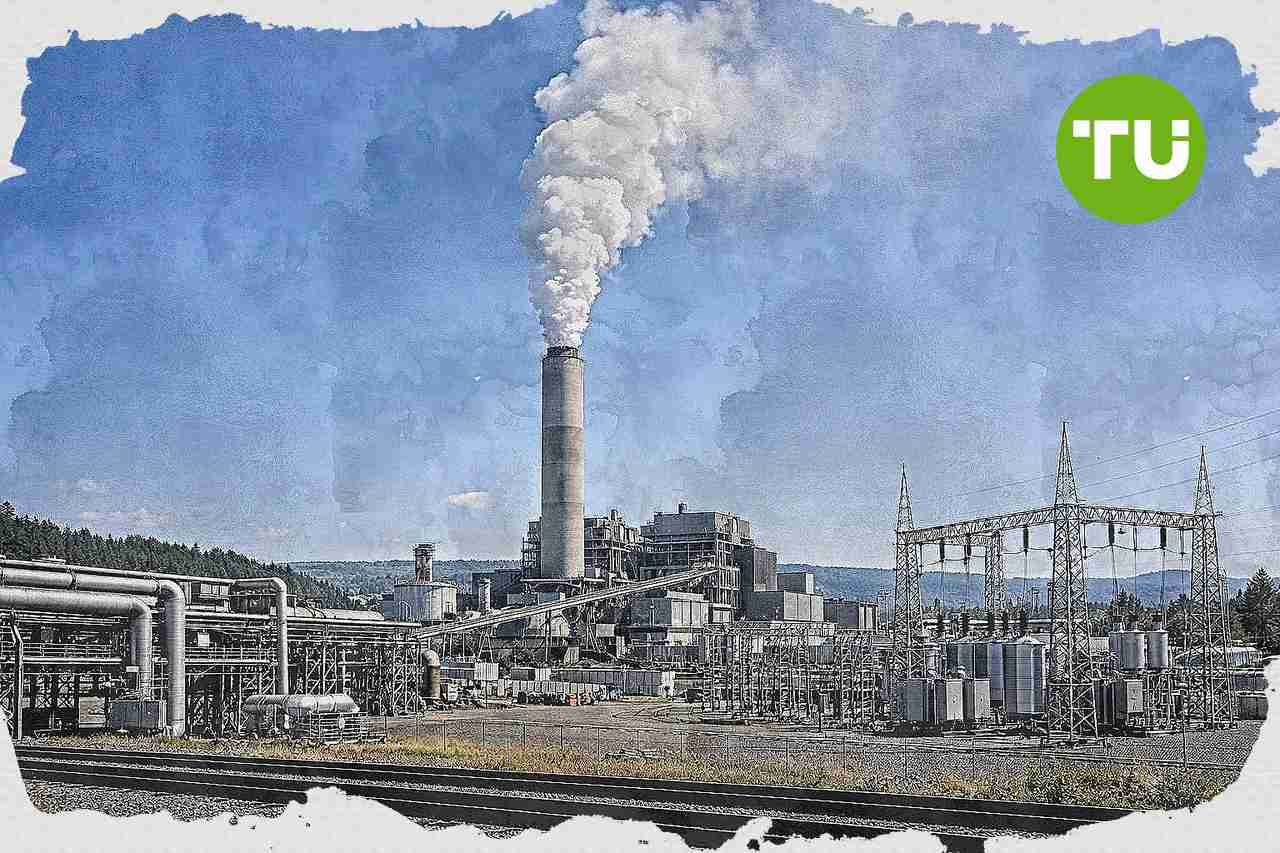
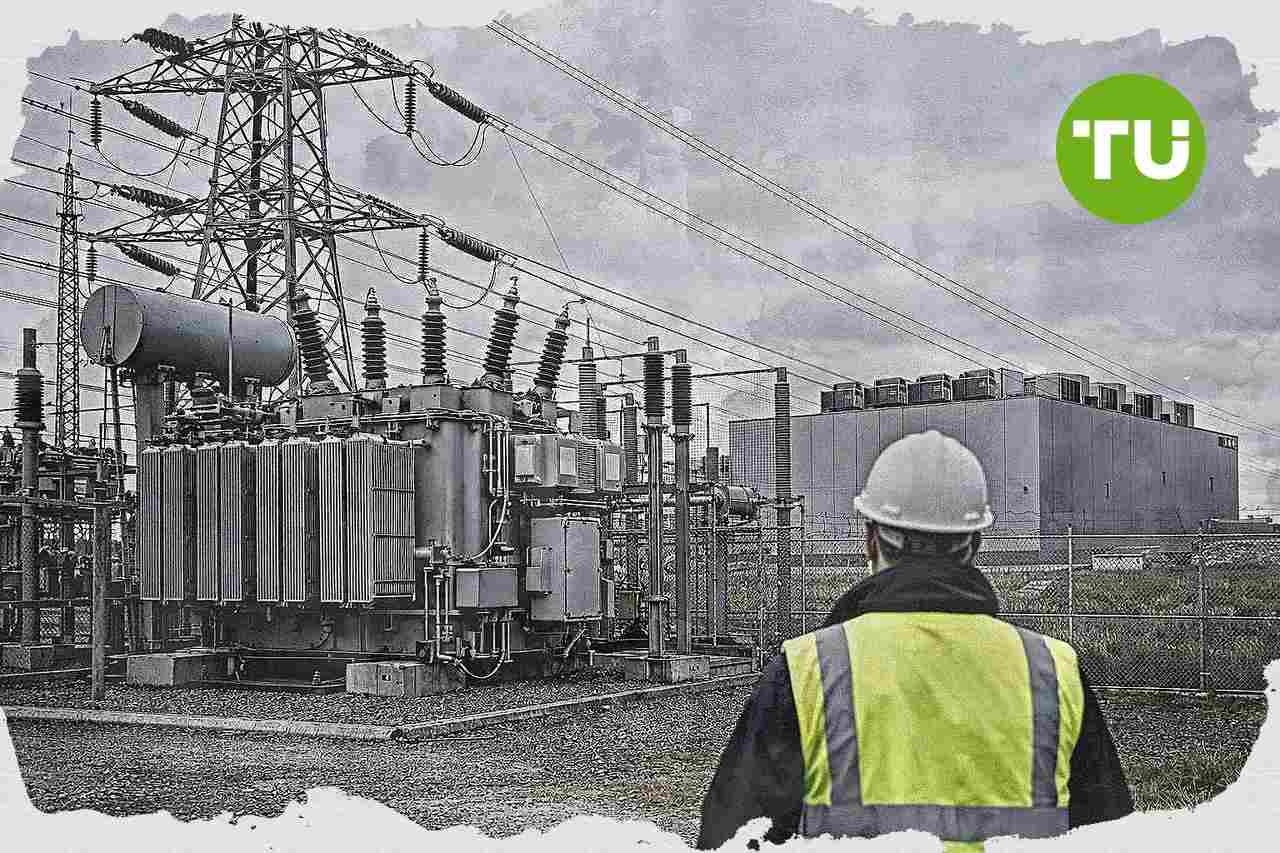
British manufacturers are warning that elevated energy costs are undermining the sector's competitiveness and accelerating the risk of production shifting abroad. The pressure comes as the government faces calls to widen and speed up electricity bill relief for industry amid broader strains on public finances.
Highlights
- Make UK survey finds over 50% of British manufacturers report no benefit from energy cost relief, with 25% moving or considering moving production overseas.
- Make UK urges the government to extend energy support to all manufacturers at a cost of £3 billion annually to safeguard 2.5 million jobs.
- Political instability and the Iran war are compounding energy price pressures, intensifying calls for action as public spending demands grow in the UK.
Industry survey sharpens calls for faster relief
As reported by Reuters, manufacturing group Make UK and the Trades Union Congress warn that Britain is losing factory jobs overseas because energy costs remain too high despite an industrial strategy launched a year ago to cut electricity bills for energy-intensive industries.Britain pledged under that strategy to reduce power costs by exempting eligible companies from certain green levies, and later said the scheme would be expanded and backdated. But Make UK says a survey of its members shows more than half of firms have seen no benefit, while a quarter have moved production abroad or are considering doing so.
Stephen Phipson, chief executive of Make UK, says Britain faces deindustrialisation unless manufacturers get relief from high energy prices. He calls for the support scheme to be extended across the whole sector and implemented more quickly, saying delays caused by political upheaval or further consultation could put thousands of jobs at risk.
Political and economic pressure builds
Make UK says extending the scheme to all companies in the sector would cost 3 billion pounds a year and save 2.5 million jobs. The Trades Union Congress backs the push for broader support, with General Secretary Paul Nowak saying the scheme should be expanded to protect jobs and keep factories and plants running.Prime Minister Keir Starmer is also facing wider political pressure after a series of U-turns and resignations that have unsettled Labour lawmakers. At the same time, the Iran war is driving energy prices higher for households and businesses, adding to the pressure on the government as demands on spending, from defence to welfare, continue to strain public finances.
Our earlier article on the UK defence-spending dispute detailed how political pressure on Prime Minister Keir Starmer intensified after resignations at the Ministry of Defence highlighted a widening gap between military ambitions and planned funding. We noted that the debate has moved beyond headline budget targets to hard trade-offs over force structure, procurement timelines and long-term costs, with knock-on implications for investor expectations across the defence sector.





Latest National Grid News







-
 Afghanistan
-
 Albania
-
 Algeria
-
 Angola
-
 Argentina
-
 Armenia
-
 Australia
-
 Austria
-
 Azerbaijan
-
 Bahamas
-
 Bahrain
-
 Bangladesh
-
 Belarus
-
 Belgium
-
 Bolivia
-
 Botswana
-
 Brazil
-
 Brunei
-
 Bulgaria
-
 Cambodia
-
 Cameroon
-
 Canada
-
 Chile
Chile
-
 China
China
-
 Colombia
-
 Congo
Congo
-
 Costa Rica
-
 Cote d'Ivoire
-
 Croatia
-
 Cuba
Cuba
-
 Cyprus
-
 Czechia
-
 DR Congo
-
 Denmark
-
 Dominican Republic
-
 Ecuador
-
 Egypt
Egypt
-
 El Salvador
-
 Estonia
-
 Eswatini
-
 Ethiopia
-
 Finland
-
 France
-
 Georgia
-
 Germany
-
 Ghana
Ghana
-
 Greece
-
 Haiti
Haiti
-
 Hong Kong
-
 Hungary
-
 India
India
-
 Indonesia
-
 Iran, Islamic republic
-
 Iraq
Iraq
-
 Ireland
-
 Israel
-
 Italy
Italy
-
 Jamaica
-
 Japan
Japan
-
 Jordan
-
 Kazakhstan
-
 Kenya
Kenya
-
 Korea
Korea
-
 Kuwait
-
 Kyrgyzstan
-
 Laos
Laos
-
 Latvia
-
 Lebanon
-
 Lesotho
-
 Libya
Libya
-
 Lithuania
-
 Luxembourg
-
 Madagascar
-
 Malaysia
-
 Malta
Malta
-
 Mauritius
-
 Mexico
-
 Moldova
-
 Mongolia
-
 Montenegro
-
 Morocco
-
 Mozambique
-
 Myanmar
-
 Namibia
-
 Nepal
Nepal
-
 Netherlands
-
 New Zealand
-
 Nigeria
-
 North Macedonia
-
 Norway
-
 Oman
Oman
-
 Pakistan
-
 Palestine
-
 Panama
-
 Papua New Guinea
-
 Paraguay
-
 Peru
Peru
-
 Philippines
-
 Poland
-
 Portugal
-
 Puerto Rico
-
 Qatar
Qatar
-
 Reunion
-
 Romania
-
 Rwanda
-
 Saudi Arabia
-
 Serbia
-
 Singapore
-
 Slovakia
-
 Slovenia
-
 Somalia
-
 South Africa
-
 Spain
Spain
-
 Sri Lanka
-
 Sweden
-
 Switzerland
-
 Syria
Syria
-
 Taiwan
-
 Tajikistan
-
 Tanzania
-
 Thailand
-
 Trinidad and Tobago
-
 Tunisia
-
 Turkey
-
 UAE
UAE
-
 Uganda
-
 Ukraine
-
 United Kingdom
-
United States
-
 Uruguay
-
 Uzbekistan
-
 Venezuela
-
 Vietnam
-
 Yemen
Yemen
-
 Zambia
-
 Zimbabwe
- Forex
- Crypto












