
Department of Energy extends Centralia coal unit operations in Northwest reliability move
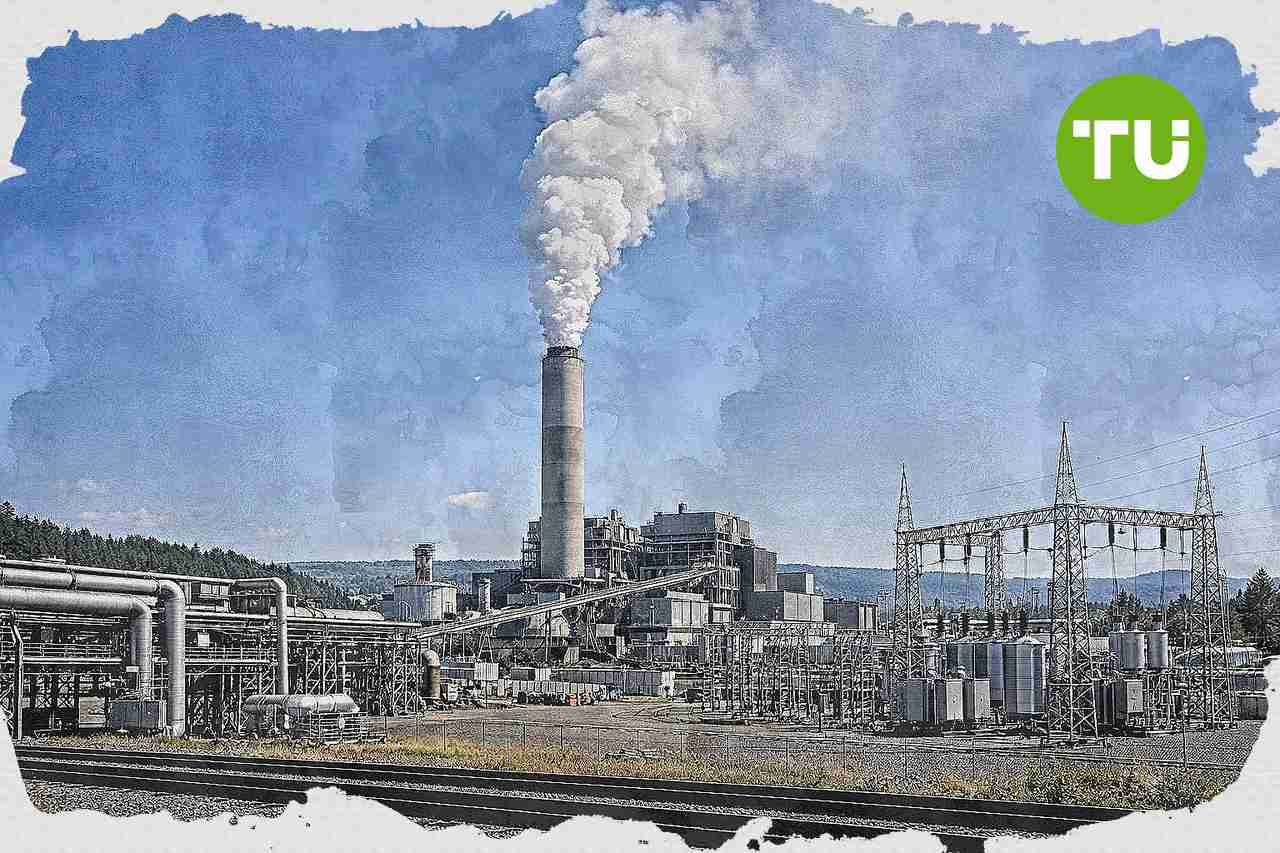
With summer power demand approaching in the Northwestern United States, the Department of Energy is ordering a Washington coal-fired unit to remain available for service beyond its planned retirement. The temporary measure covers Centralia Unit 2 from June 15, 2026 through Sept. 12, 2026, as officials warn of rising blackout risks and higher supply pressure in the region.
Highlights
- U.S. Department of Energy ordered TransAlta Centralia Generation LLC to keep Unit 2 of Centralia Generating Station operational beyond 2025 to reduce Northwest blackout risk.
- DOE Resource Adequacy Report warns power outages in the U.S. could rise by 100 times by 2030 if reliable generation like Centralia is removed.
- Centralia produced about 340,000 MWh monthly in 2025, while over 17 GW of coal-fired generation nationwide was kept online that year to prevent energy shortfalls.
Emergency order targets summer grid risk
As reported by the Department of Energy, U.S. Secretary of Energy Chris Wright has issued an emergency order directing TransAlta Centralia Generation LLC to keep Unit 2 of the Centralia Generating Station in Centralia, Washington, available to operate. The coal-fired unit had been scheduled to shut down at the end of 2025, but the order is intended to reduce the risk and cost of blackouts in the Northwest.Wright says removing dependable generation from the grid weakens energy reliability and raises costs for households and businesses. He says the action is meant to preserve affordable and secure electricity during peak summer demand, when residents in the region need power for homes and cooling.
Reliability warnings shape regional power outlook
The department says Centralia remains an important reliability asset for the Western Electricity Coordinating Council Northwest region. It points to the DOE Resource Adequacy Report, which says power outages could increase by 100 times by 2030 if the U.S. continues taking reliable power offline.The North American Electric Reliability Corporation's 2025 Long-Term Reliability Assessment also identifies the WECC Northwest region as facing a high risk of energy shortfalls over the next five years. That assessment says rapid demand growth is increasing the need for more resources and projects periods of unserved energy in both summer and winter.
According to U.S. Environmental Protection Agency data cited in the announcement, Centralia generated an average of about 340,000 MWh per month in 2025. The department also says more than 17 gigawatts of coal-fired generation nationwide were kept from going offline in 2025.
Our earlier coverage of the U.S. debt-to-GDP ratio crossing 100% examined how higher interest rates are reviving the debate over fiscal consolidation. We noted that elevated Treasury yields are feeding through to household costs—especially mortgage rates—making deficit reduction a growing political issue as voters feel the impact of higher borrowing and living expenses.





Latest National Grid News








-
 Afghanistan
-
 Albania
-
 Algeria
-
 Angola
-
 Argentina
-
 Armenia
-
 Australia
-
 Austria
-
 Azerbaijan
-
 Bahamas
-
 Bahrain
-
 Bangladesh
-
 Belarus
-
 Belgium
-
 Bolivia
-
 Botswana
-
 Brazil
-
 Brunei
-
 Bulgaria
-
 Cambodia
-
 Cameroon
-
 Canada
-
 Chile
Chile
-
 China
China
-
 Colombia
-
 Congo
Congo
-
 Costa Rica
-
 Cote d'Ivoire
-
 Croatia
-
 Cuba
Cuba
-
 Cyprus
-
 Czechia
-
 DR Congo
-
 Denmark
-
 Dominican Republic
-
 Ecuador
-
 Egypt
Egypt
-
 El Salvador
-
 Estonia
-
 Eswatini
-
 Ethiopia
-
 Finland
-
 France
-
 Georgia
-
 Germany
-
 Ghana
Ghana
-
 Greece
-
 Haiti
Haiti
-
 Hong Kong
-
 Hungary
-
 India
India
-
 Indonesia
-
 Iran, Islamic republic
-
 Iraq
Iraq
-
 Ireland
-
 Israel
-
 Italy
Italy
-
 Jamaica
-
 Japan
Japan
-
 Jordan
-
 Kazakhstan
-
 Kenya
Kenya
-
 Korea
Korea
-
 Kuwait
-
 Kyrgyzstan
-
 Laos
Laos
-
 Latvia
-
 Lebanon
-
 Lesotho
-
 Libya
Libya
-
 Lithuania
-
 Luxembourg
-
 Madagascar
-
 Malaysia
-
 Malta
Malta
-
 Mauritius
-
 Mexico
-
 Moldova
-
 Mongolia
-
 Montenegro
-
 Morocco
-
 Mozambique
-
 Myanmar
-
 Namibia
-
 Nepal
Nepal
-
 Netherlands
-
 New Zealand
-
 Nigeria
-
 North Macedonia
-
 Norway
-
 Oman
Oman
-
 Pakistan
-
 Palestine
-
 Panama
-
 Papua New Guinea
-
 Paraguay
-
 Peru
Peru
-
 Philippines
-
 Poland
-
 Portugal
-
 Puerto Rico
-
 Qatar
Qatar
-
 Reunion
-
 Romania
-
 Rwanda
-
 Saudi Arabia
-
 Serbia
-
 Singapore
-
 Slovakia
-
 Slovenia
-
 Somalia
-
 South Africa
-
 Spain
Spain
-
 Sri Lanka
-
 Sweden
-
 Switzerland
-
 Syria
Syria
-
 Taiwan
-
 Tajikistan
-
 Tanzania
-
 Thailand
-
 Trinidad and Tobago
-
 Tunisia
-
 Turkey
-
 UAE
UAE
-
 Uganda
-
 Ukraine
-
 United Kingdom
-
United States
-
 Uruguay
-
 Uzbekistan
-
 Venezuela
-
 Vietnam
-
 Yemen
Yemen
-
 Zambia
-
 Zimbabwe
- Forex
- Crypto












