
Rightmove reports UK June asking price drop as buyer demand weakens
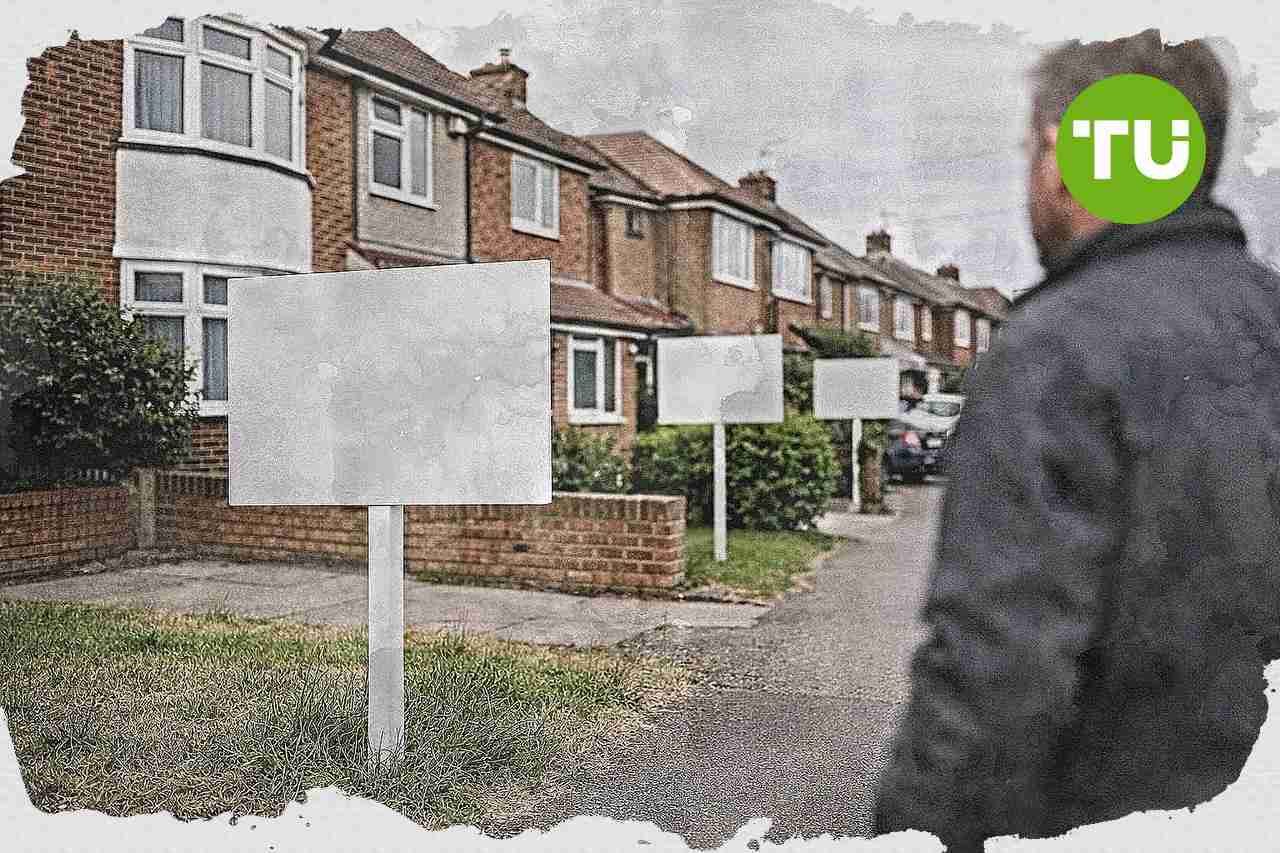
Britain's housing market is showing an earlier-than-usual summer slowdown, with sellers cutting asking prices as demand softens. The shift comes as hot weather, elevated housing supply and economic uncertainty linked to the war in Iran weigh on buyer activity.
Highlights
- Rightmove reports UK asking prices for newly advertised homes fell 0.6% in June, the largest June drop in 14 years, versus a 1.2% rise in May.
- Annual asking prices in June were 0.5% lower than a year earlier and the average two-year fixed mortgage rate declined to 5.07% on June 8.
- Buyer demand plunged 10% in May, new listings dropped 5% year-on-year, and sales agreed were 6% lower than a year earlier despite higher 2024 volumes.
June pricing decline and market drivers
As reported by Reuters, asking prices for newly advertised houses and apartments in Britain fell 0.6% during its June period, which runs from May 10 to June 6, marking the biggest June drop in 14 years. That compares with a 1.2% monthly rise in the May period.Colleen Babcock, a property expert at Rightmove, says a fall of that size is unusual for June, when modest price growth is more typical. She says wider economic uncertainty, the timing of the May bank holiday, unusually hot weather and a high number of homes on the market appear to be bringing forward the traditionally slower summer market.
Rightmove also says asking prices in June are 0.5% lower than a year earlier, after a 0.3% annual decline in May. The average two-year fixed mortgage rate eased to 5.07% on June 8 from 5.18% a month earlier.
Pressure on demand and sales activity
Market activity figures point to softer conditions for sellers despite some easing in borrowing costs. Buyer demand fell 10% in May, when Britain recorded its hottest ever May temperatures.The number of homes newly advertised for sale fell 5% from a year earlier, but remained 6% higher than in the same period in 2024. Sales agreed were 6% below their level a year earlier, while staying broadly in line with 2024 volumes.
Our earlier article on UK housing market fall-through risks explained that slowing activity is making agreed sales more likely to collapse before contracts are exchanged, especially in prime London. It highlighted longer conveyancing timelines, rising fall-through rates, and the growing cost of delays for sellers as weaker pricing and softer demand reduce transaction certainty.





Latest UK News










-
 Afghanistan
-
 Albania
-
 Algeria
-
 Angola
-
 Argentina
-
 Armenia
-
 Australia
-
 Austria
-
 Azerbaijan
-
 Bahamas
-
 Bahrain
-
 Bangladesh
-
 Belarus
-
 Belgium
-
 Bolivia
-
 Botswana
-
 Brazil
-
 Brunei
-
 Bulgaria
-
 Cambodia
-
 Cameroon
-
 Canada
-
 Chile
Chile
-
 China
China
-
 Colombia
-
 Congo
Congo
-
 Costa Rica
-
 Cote d'Ivoire
-
 Croatia
-
 Cuba
Cuba
-
 Cyprus
-
 Czechia
-
 DR Congo
-
 Denmark
-
 Dominican Republic
-
 Ecuador
-
 Egypt
Egypt
-
 El Salvador
-
 Estonia
-
 Eswatini
-
 Ethiopia
-
 Finland
-
 France
-
 Georgia
-
 Germany
-
 Ghana
Ghana
-
 Greece
-
 Haiti
Haiti
-
 Hong Kong
-
 Hungary
-
 India
India
-
 Indonesia
-
 Iran, Islamic republic
-
 Iraq
Iraq
-
 Ireland
-
 Israel
-
 Italy
Italy
-
 Jamaica
-
 Japan
Japan
-
 Jordan
-
 Kazakhstan
-
 Kenya
Kenya
-
 Korea
Korea
-
 Kuwait
-
 Kyrgyzstan
-
 Laos
Laos
-
 Latvia
-
 Lebanon
-
 Lesotho
-
 Libya
Libya
-
 Lithuania
-
 Luxembourg
-
 Madagascar
-
 Malaysia
-
 Malta
Malta
-
 Mauritius
-
 Mexico
-
 Moldova
-
 Mongolia
-
 Montenegro
-
 Morocco
-
 Mozambique
-
 Myanmar
-
 Namibia
-
 Nepal
Nepal
-
 Netherlands
-
 New Zealand
-
 Nigeria
-
 North Macedonia
-
 Norway
-
 Oman
Oman
-
 Pakistan
-
 Palestine
-
 Panama
-
 Papua New Guinea
-
 Paraguay
-
 Peru
Peru
-
 Philippines
-
 Poland
-
 Portugal
-
 Puerto Rico
-
 Qatar
Qatar
-
 Reunion
-
 Romania
-
 Rwanda
-
 Saudi Arabia
-
 Serbia
-
 Singapore
-
 Slovakia
-
 Slovenia
-
 Somalia
-
 South Africa
-
 Spain
Spain
-
 Sri Lanka
-
 Sweden
-
 Switzerland
-
 Syria
Syria
-
 Taiwan
-
 Tajikistan
-
 Tanzania
-
 Thailand
-
 Trinidad and Tobago
-
 Tunisia
-
 Turkey
-
 UAE
UAE
-
 Uganda
-
 Ukraine
-
 United Kingdom
-
United States
-
 Uruguay
-
 Uzbekistan
-
 Venezuela
-
 Vietnam
-
 Yemen
Yemen
-
 Zambia
-
 Zimbabwe
- Forex
- Crypto












