
Schroders sees limited bubble risk in AI stocks amid surge in tech share issuance

Investor scrutiny of artificial intelligence valuations is intensifying as blockbuster technology listings test demand for growth stocks. Schroders says the sector is not yet in bubble territory and argues that cash flow prospects, contained bond yields and low recession risk continue to support equities.
Highlights
- Schroders CIO Johanna Kyrklund sees no bubble in AI and hyperscaler stocks despite last week's roughly $2tn SpaceX IPO and ongoing tech share issuance.
- Kyrklund remains optimistic on AI-linked equities given low recession risk and contained bond yields, while noting some market frothiness but sustained investor appetite as Nasdaq 100 rallies 29% since March.
- Schroders' investor survey, covering over $72tn in assets, highlights increased geographic diversification and capital preservation focus, with concentration risk evident across regions and both public and private markets.
Investor view after major tech listings
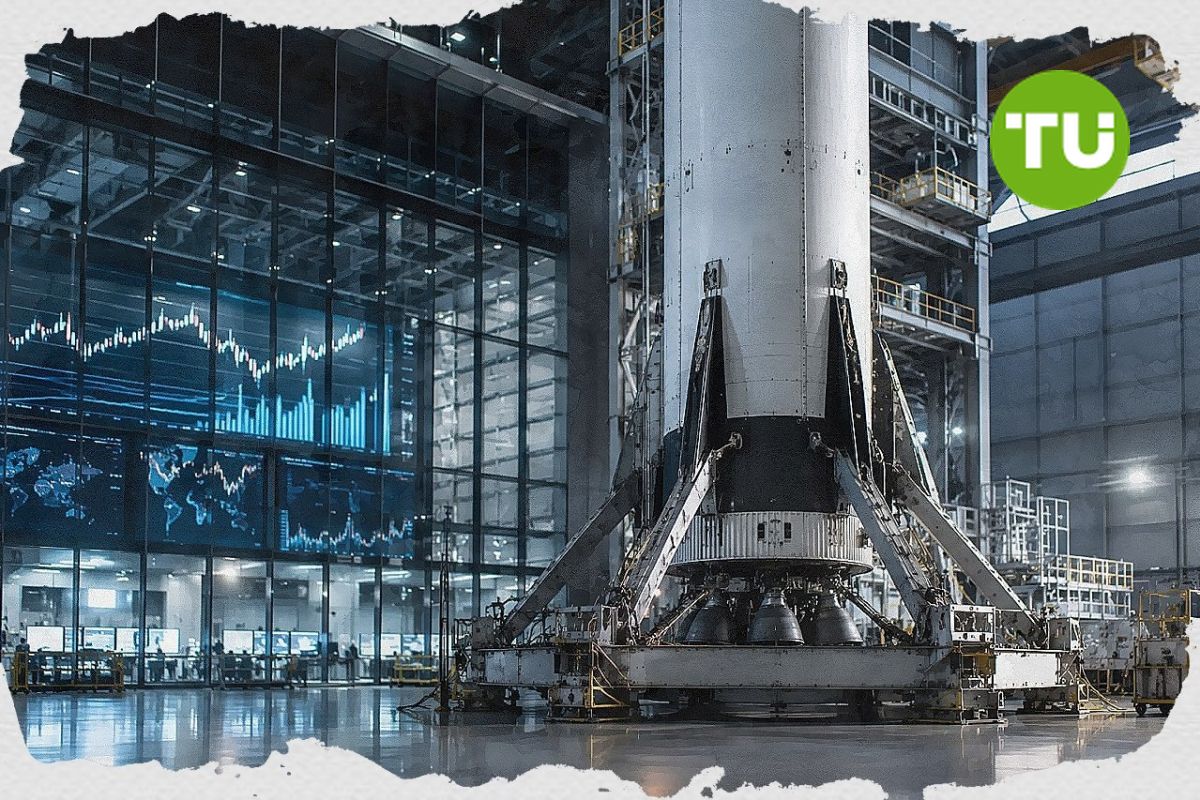
As reported by the Financial Times, Schroders chief investment officer Johanna Kyrklund says AI groups and hyperscalers are not in "a bubble situation" even after last week's roughly $2tn SpaceX initial public offering, which ranks among this year's largest technology listings.Kyrklund, who also oversees Schroders' public equities team, says she remains optimistic about further cash flow and earnings growth from AI-linked stocks. She says she is positive on equities because recession risk looks low and bond yields are contained for now, although she acknowledges some frothiness in parts of the market.
She also downplays concerns that unusually large tech IPOs could force investors to sell existing holdings in major listed technology companies to buy new offerings. In her view, retail investors have more money to invest, and portfolio decisions should continue to be based on company fundamentals rather than short-term liquidity shifts.
Market implications and diversification trends
Her comments come as some analysts warn that a growing supply of shares from private technology groups, along with possible secondary offerings from hyperscalers such as Amazon, Microsoft and Alphabet to fund capital spending, could weaken demand for equities. SpaceX shares have risen more than 25 per cent since the close of their first trading day, while the Nasdaq 100 has rallied 29 per cent since March, underscoring the strength of investor appetite for high-growth technology names.Schroders' annual global investor survey, released on Wednesday, shows that more than 1,000 respondents overseeing over $72tn in assets view geographic diversification and capital preservation as very important over the coming year. Kyrklund says that push for diversification reflects concern about index concentration rather than a negative stance on the U.S., adding that concentration risk is now also visible in Asia and in corporate debt markets.
The survey also points to changing attitudes toward private markets, with about half of respondents saying they now assess public and private equity opportunities together. Kyrklund warns that concentration risk crosses private and public market boundaries because the same sector exposures can sit in both, a view that comes as Schroders prepares to combine with U.S. asset manager Nuveen in a £9.9bn takeover that is set to create an investment group managing nearly $2.5tn in assets.
In our earlier coverage of the post-SpaceX IPO surge in AI-linked stocks, we noted that U.S. asset managers were racing to package the trend into highly concentrated thematic ETFs. We described SEC filings for funds tied to the social media-driven “MANGOS” basket and related variants, highlighting how quickly Wall Street is building products around a small set of AI winners and blockbuster tech listings.












-
 Afghanistan
-
 Albania
-
 Algeria
-
 Angola
-
 Argentina
-
 Armenia
-
 Australia
-
 Austria
-
 Azerbaijan
-
 Bahamas
-
 Bahrain
-
 Bangladesh
-
 Belarus
-
 Belgium
-
 Bolivia
-
 Botswana
-
 Brazil
-
 Brunei
-
 Bulgaria
-
 Cambodia
-
 Cameroon
-
 Canada
-
 Chile
Chile
-
 China
China
-
 Colombia
-
 Congo
Congo
-
 Costa Rica
-
 Cote d'Ivoire
-
 Croatia
-
 Cuba
Cuba
-
 Cyprus
-
 Czechia
-
 DR Congo
-
 Denmark
-
 Dominican Republic
-
 Ecuador
-
 Egypt
Egypt
-
 El Salvador
-
 Estonia
-
 Eswatini
-
 Ethiopia
-
 Finland
-
 France
-
 Georgia
-
 Germany
-
 Ghana
Ghana
-
 Greece
-
 Haiti
Haiti
-
 Hong Kong
-
 Hungary
-
 India
India
-
 Indonesia
-
 Iran, Islamic republic
-
 Iraq
Iraq
-
 Ireland
-
 Israel
-
 Italy
Italy
-
 Jamaica
-
 Japan
Japan
-
 Jordan
-
 Kazakhstan
-
 Kenya
Kenya
-
 Korea
Korea
-
 Kuwait
-
 Kyrgyzstan
-
 Laos
Laos
-
 Latvia
-
 Lebanon
-
 Lesotho
-
 Libya
Libya
-
 Lithuania
-
 Luxembourg
-
 Madagascar
-
 Malaysia
-
 Malta
Malta
-
 Mauritius
-
 Mexico
-
 Moldova
-
 Mongolia
-
 Montenegro
-
 Morocco
-
 Mozambique
-
 Myanmar
-
 Namibia
-
 Nepal
Nepal
-
 Netherlands
-
 New Zealand
-
 Nigeria
-
 North Macedonia
-
 Norway
-
 Oman
Oman
-
 Pakistan
-
 Palestine
-
 Panama
-
 Papua New Guinea
-
 Paraguay
-
 Peru
Peru
-
 Philippines
-
 Poland
-
 Portugal
-
 Puerto Rico
-
 Qatar
Qatar
-
 Reunion
-
 Romania
-
 Rwanda
-
 Saudi Arabia
-
 Serbia
-
 Singapore
-
 Slovakia
-
 Slovenia
-
 Somalia
-
 South Africa
-
 Spain
Spain
-
 Sri Lanka
-
 Sweden
-
 Switzerland
-
 Syria
Syria
-
 Taiwan
-
 Tajikistan
-
 Tanzania
-
 Thailand
-
 Trinidad and Tobago
-
 Tunisia
-
 Turkey
-
 UAE
UAE
-
 Uganda
-
 Ukraine
-
 United Kingdom
-
United States
-
 Uruguay
-
 Uzbekistan
-
 Venezuela
-
 Vietnam
-
 Yemen
Yemen
-
 Zambia
-
 Zimbabwe
- Forex
- Crypto












