
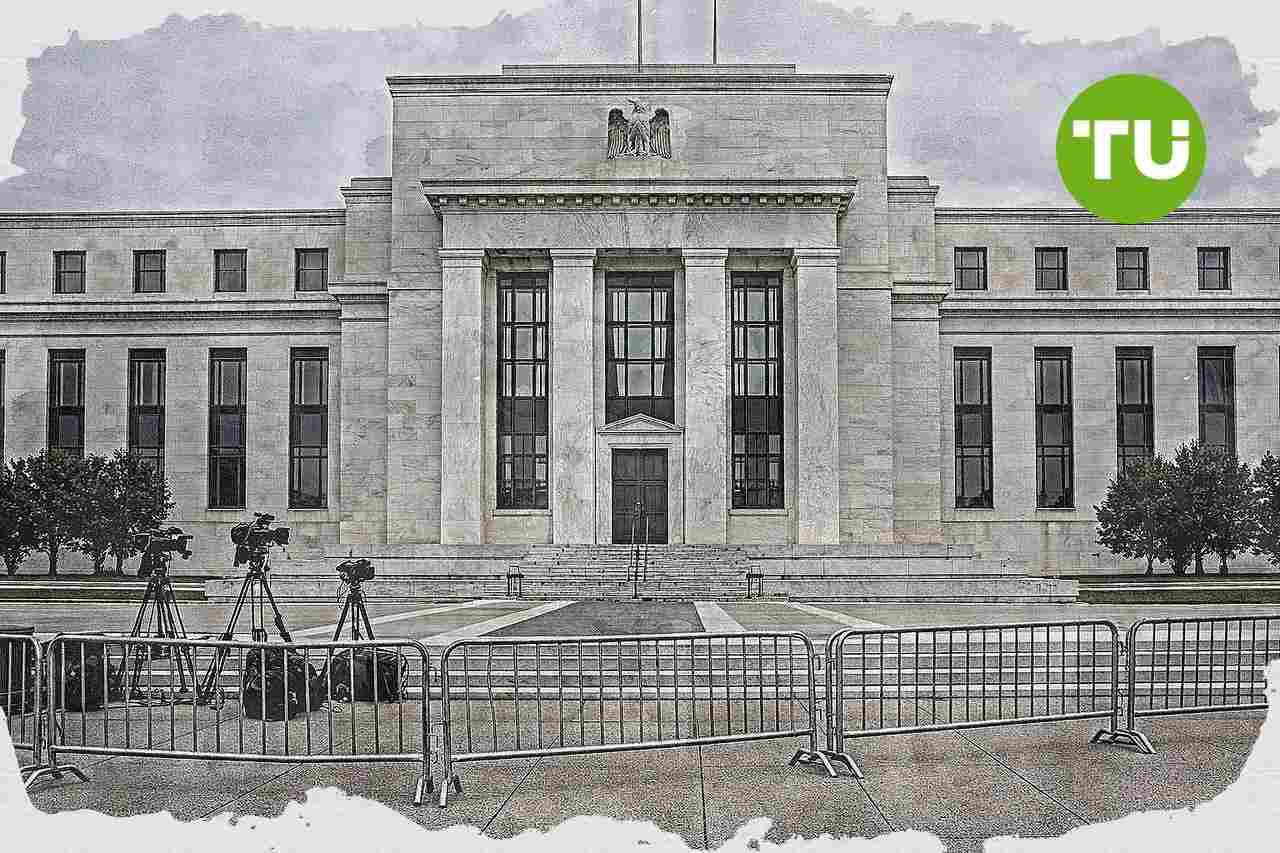
Ahead of the Federal Open Market Committee decision, Senator Elizabeth Warren links borrowing costs to broader pressure on U.S. households facing elevated prices. The statement places the upcoming rate call in the context of criticism of President Donald Trump's trade and foreign policy agenda.
Highlights
- Senator Warren urges the Federal Reserve to lower interest rates, citing high costs for Americans ahead of the next FOMC policy decision.
- Warren claims Trump's tariffs and Iran conflict are increasing prices and stalling job growth, driving inflation to a three-year high.
- Debate intensifies over whether White House policies, rather than solely central bank action, are exacerbating inflation and complicating monetary policy decisions.
Warren sets out criticism before Fed meeting
As reported by the Senate Committee on Banking, Housing, and Urban Affairs, Warren says Americans deserve lower interest rates and lower costs as the Federal Reserve prepares for its next policy decision.The Massachusetts Democrat, who is the ranking member of the Senate Banking, Housing, and Urban Affairs Committee, says Trump promised to lower costs but instead spent his presidency trying to illegally take over the Fed to push rates lower. She argues his economic agenda fuels the highest inflation in three years.
Warren also says Trump's tariffs stall the job market and increase prices. In her statement, she adds that his war with Iran drives costs even higher.
Policy debate sharpens around inflation and rates
The statement underscores how the Fed's rate path remains a political and economic flashpoint as officials weigh inflation, employment and consumer costs. Warren's remarks frame the debate around whether White House policies, rather than central bank decisions alone, are worsening price pressures for households.For businesses and consumers, the argument highlights the tension between calls for lower borrowing costs and concerns that inflationary pressures could complicate any move toward easier monetary policy. The comments also keep attention on how tariffs, geopolitical conflict and labor market conditions shape expectations ahead of the FOMC decision.
Our earlier article on U.S. stock futures ahead of the Fed rate decision explained that markets were largely pricing in no change in rates, with attention centered on policy guidance. It highlighted how inflation pressures linked to the Iran war and volatile energy prices were keeping rate cuts off the table and raising the odds of a tougher stance later in the year. The piece also noted that Chair Kevin Warsh faced an early credibility test as the Fed balanced inflation risks against ongoing political calls for lower borrowing costs.





Latest Fed News







-
 Afghanistan
-
 Albania
-
 Algeria
-
 Angola
-
 Argentina
-
 Armenia
-
 Australia
-
 Austria
-
 Azerbaijan
-
 Bahamas
-
 Bahrain
-
 Bangladesh
-
 Belarus
-
 Belgium
-
 Bolivia
-
 Botswana
-
 Brazil
-
 Brunei
-
 Bulgaria
-
 Cambodia
-
 Cameroon
-
 Canada
-
 Chile
Chile
-
 China
China
-
 Colombia
-
 Congo
Congo
-
 Costa Rica
-
 Cote d'Ivoire
-
 Croatia
-
 Cuba
Cuba
-
 Cyprus
-
 Czechia
-
 DR Congo
-
 Denmark
-
 Dominican Republic
-
 Ecuador
-
 Egypt
Egypt
-
 El Salvador
-
 Estonia
-
 Eswatini
-
 Ethiopia
-
 Finland
-
 France
-
 Georgia
-
 Germany
-
 Ghana
Ghana
-
 Greece
-
 Haiti
Haiti
-
 Hong Kong
-
 Hungary
-
 India
India
-
 Indonesia
-
 Iran, Islamic republic
-
 Iraq
Iraq
-
 Ireland
-
 Israel
-
 Italy
Italy
-
 Jamaica
-
 Japan
Japan
-
 Jordan
-
 Kazakhstan
-
 Kenya
Kenya
-
 Korea
Korea
-
 Kuwait
-
 Kyrgyzstan
-
 Laos
Laos
-
 Latvia
-
 Lebanon
-
 Lesotho
-
 Libya
Libya
-
 Lithuania
-
 Luxembourg
-
 Madagascar
-
 Malaysia
-
 Malta
Malta
-
 Mauritius
-
 Mexico
-
 Moldova
-
 Mongolia
-
 Montenegro
-
 Morocco
-
 Mozambique
-
 Myanmar
-
 Namibia
-
 Nepal
Nepal
-
 Netherlands
-
 New Zealand
-
 Nigeria
-
 North Macedonia
-
 Norway
-
 Oman
Oman
-
 Pakistan
-
 Palestine
-
 Panama
-
 Papua New Guinea
-
 Paraguay
-
 Peru
Peru
-
 Philippines
-
 Poland
-
 Portugal
-
 Puerto Rico
-
 Qatar
Qatar
-
 Reunion
-
 Romania
-
 Rwanda
-
 Saudi Arabia
-
 Serbia
-
 Singapore
-
 Slovakia
-
 Slovenia
-
 Somalia
-
 South Africa
-
 Spain
Spain
-
 Sri Lanka
-
 Sweden
-
 Switzerland
-
 Syria
Syria
-
 Taiwan
-
 Tajikistan
-
 Tanzania
-
 Thailand
-
 Trinidad and Tobago
-
 Tunisia
-
 Turkey
-
 UAE
UAE
-
 Uganda
-
 Ukraine
-
 United Kingdom
-
United States
-
 Uruguay
-
 Uzbekistan
-
 Venezuela
-
 Vietnam
-
 Yemen
Yemen
-
 Zambia
-
 Zimbabwe
- Forex
- Crypto












