

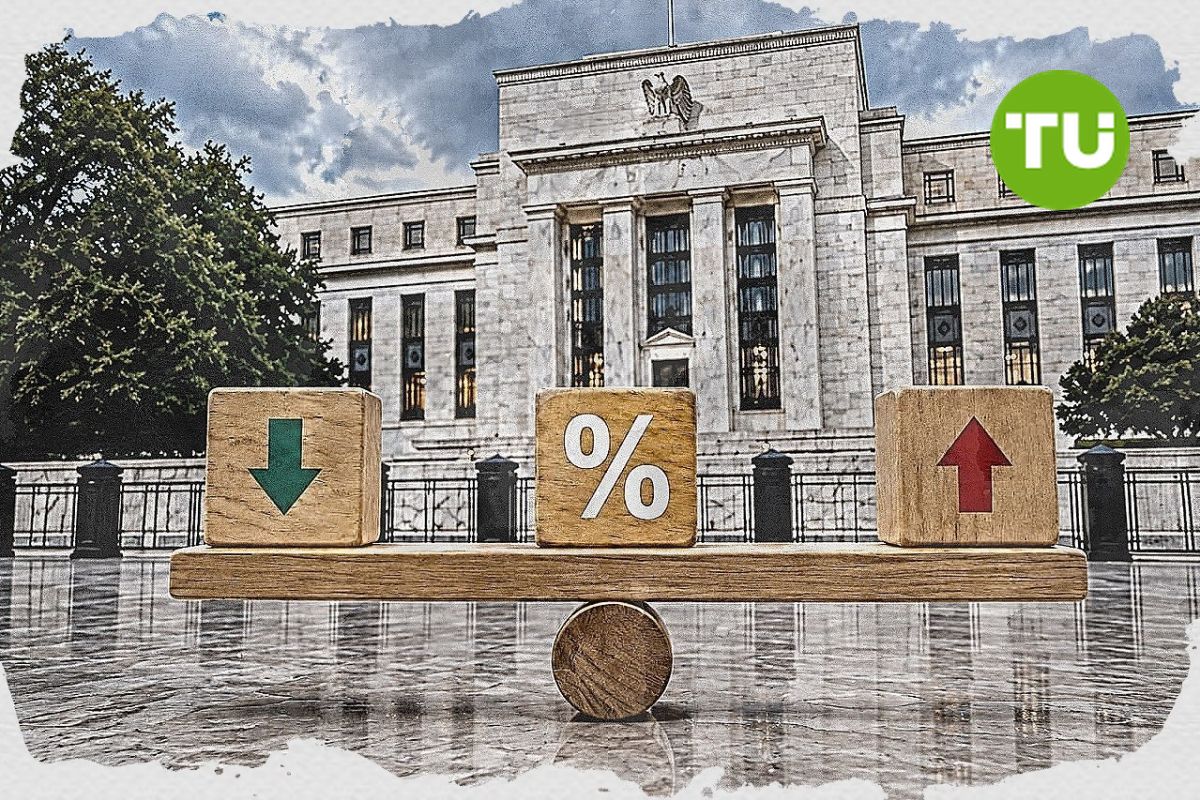
The Federal Reserve is expected to keep interest rates unchanged Wednesday at Kevin Warsh’s first meeting as chair, but the language around future policy may shift sharply. Strong hiring, resilient consumer spending, and war-driven inflation have weakened the case for rate cuts, even as oil prices retreat on hopes for a U.S.-Iran peace deal.
Highlights
- The Fed is expected to hold rates steady at Warsh’s first meeting.
- Strong jobs and retail sales data have reduced the case for cuts.
- Inflation remains above the Fed’s 2% target despite lower oil prices.
Strong data limits room for cuts
The Federal Open Market Committee is widely expected to leave borrowing costs steady when it releases its rate decision, policy statement, and updated economic projections at 2 p.m. EDT, Reuters reports. Investors will focus less on the rate itself than on whether the Fed removes language pointing to possible “additional adjustments,” a phrase that had signaled openness to lower rates.
Recent economic data give policymakers little reason to ease. The unemployment rate remains relatively low at 4.3%, while inflation is still well above the Fed’s 2% target. Retail sales rose nearly 1% in May, about twice economists’ expectations, showing that consumers have continued to spend despite higher prices. Excluding gasoline, sales rose 0.7%, up from 0.2% in April.
The stronger data have pushed markets toward a more hawkish interpretation of Fed policy. Investors now expect the central bank to hold rates steady this week, while futures pricing points to a possible quarter-point increase later this year. Many market participants also described Warsh’s first meeting as a test of how the new chair can balance inflation risk with expectations for policy continuity.
Warsh begins with a communication shift
Kevin Warsh’s debut could also mark a change in how the Fed talks about policy. He has previously expressed skepticism about forward guidance, and analysts expect the Fed may move toward more neutral language that keeps both hikes and cuts on the table.
A Reuters poll showed that an overwhelming majority of economists expect the Fed to keep its key interest rate unchanged through the end of 2026, while inflation linked to the war with Iran has reduced expectations for rate cuts. JPMorgan’s research also said the June meeting could become a turning point in Fed communication, with the central bank likely to stay on hold this year before moving later if inflation persists.
Warsh, who replaced Jerome Powell last month, takes over at a politically sensitive moment. Powell remains a voting governor, while the Fed faces pressure to show independence after months of tension between the White House and the central bank.
Inflation keeps the Fed on guard
The central issue is whether lower oil prices are enough to offset broader inflation risks from the Iran war. Peace-deal hopes have pushed crude prices lower, easing some pressure on markets, but the Fed’s projections may still show concern that earlier energy shocks have spread through the economy.
That matters for households, companies, and investors because the Fed may be shifting from a rate-cut debate to a more open-ended stance. With unemployment at 4.3%, retail sales still strong, and inflation above target, Warsh has room to argue for patience. The first signal will come not from the rate decision but from the wording around what the Fed is prepared to do next.
As we previously reported, U.S. futures rise before Fed rate decision.





Latest Fed News






-
 Afghanistan
-
 Albania
-
 Algeria
-
 Angola
-
 Argentina
-
 Armenia
-
 Australia
-
 Austria
-
 Azerbaijan
-
 Bahamas
-
 Bahrain
-
 Bangladesh
-
 Belarus
-
 Belgium
-
 Bolivia
-
 Botswana
-
 Brazil
-
 Brunei
-
 Bulgaria
-
 Cambodia
-
 Cameroon
-
 Canada
-
 Chile
Chile
-
 China
China
-
 Colombia
-
 Congo
Congo
-
 Costa Rica
-
 Cote d'Ivoire
-
 Croatia
-
 Cuba
Cuba
-
 Cyprus
-
 Czechia
-
 DR Congo
-
 Denmark
-
 Dominican Republic
-
 Ecuador
-
 Egypt
Egypt
-
 El Salvador
-
 Estonia
-
 Eswatini
-
 Ethiopia
-
 Finland
-
 France
-
 Georgia
-
 Germany
-
 Ghana
Ghana
-
 Greece
-
 Haiti
Haiti
-
 Hong Kong
-
 Hungary
-
 India
India
-
 Indonesia
-
 Iran, Islamic republic
-
 Iraq
Iraq
-
 Ireland
-
 Israel
-
 Italy
Italy
-
 Jamaica
-
 Japan
Japan
-
 Jordan
-
 Kazakhstan
-
 Kenya
Kenya
-
 Korea
Korea
-
 Kuwait
-
 Kyrgyzstan
-
 Laos
Laos
-
 Latvia
-
 Lebanon
-
 Lesotho
-
 Libya
Libya
-
 Lithuania
-
 Luxembourg
-
 Madagascar
-
 Malaysia
-
 Malta
Malta
-
 Mauritius
-
 Mexico
-
 Moldova
-
 Mongolia
-
 Montenegro
-
 Morocco
-
 Mozambique
-
 Myanmar
-
 Namibia
-
 Nepal
Nepal
-
 Netherlands
-
 New Zealand
-
 Nigeria
-
 North Macedonia
-
 Norway
-
 Oman
Oman
-
 Pakistan
-
 Palestine
-
 Panama
-
 Papua New Guinea
-
 Paraguay
-
 Peru
Peru
-
 Philippines
-
 Poland
-
 Portugal
-
 Puerto Rico
-
 Qatar
Qatar
-
 Reunion
-
 Romania
-
 Rwanda
-
 Saudi Arabia
-
 Serbia
-
 Singapore
-
 Slovakia
-
 Slovenia
-
 Somalia
-
 South Africa
-
 Spain
Spain
-
 Sri Lanka
-
 Sweden
-
 Switzerland
-
 Syria
Syria
-
 Taiwan
-
 Tajikistan
-
 Tanzania
-
 Thailand
-
 Trinidad and Tobago
-
 Tunisia
-
 Turkey
-
 UAE
UAE
-
 Uganda
-
 Ukraine
-
 United Kingdom
-
United States
-
 Uruguay
-
 Uzbekistan
-
 Venezuela
-
 Vietnam
-
 Yemen
Yemen
-
 Zambia
-
 Zimbabwe
- Forex
- Crypto












