Federal Reserve projections point to possible 2026 rate hikes as inflation outlook worsens
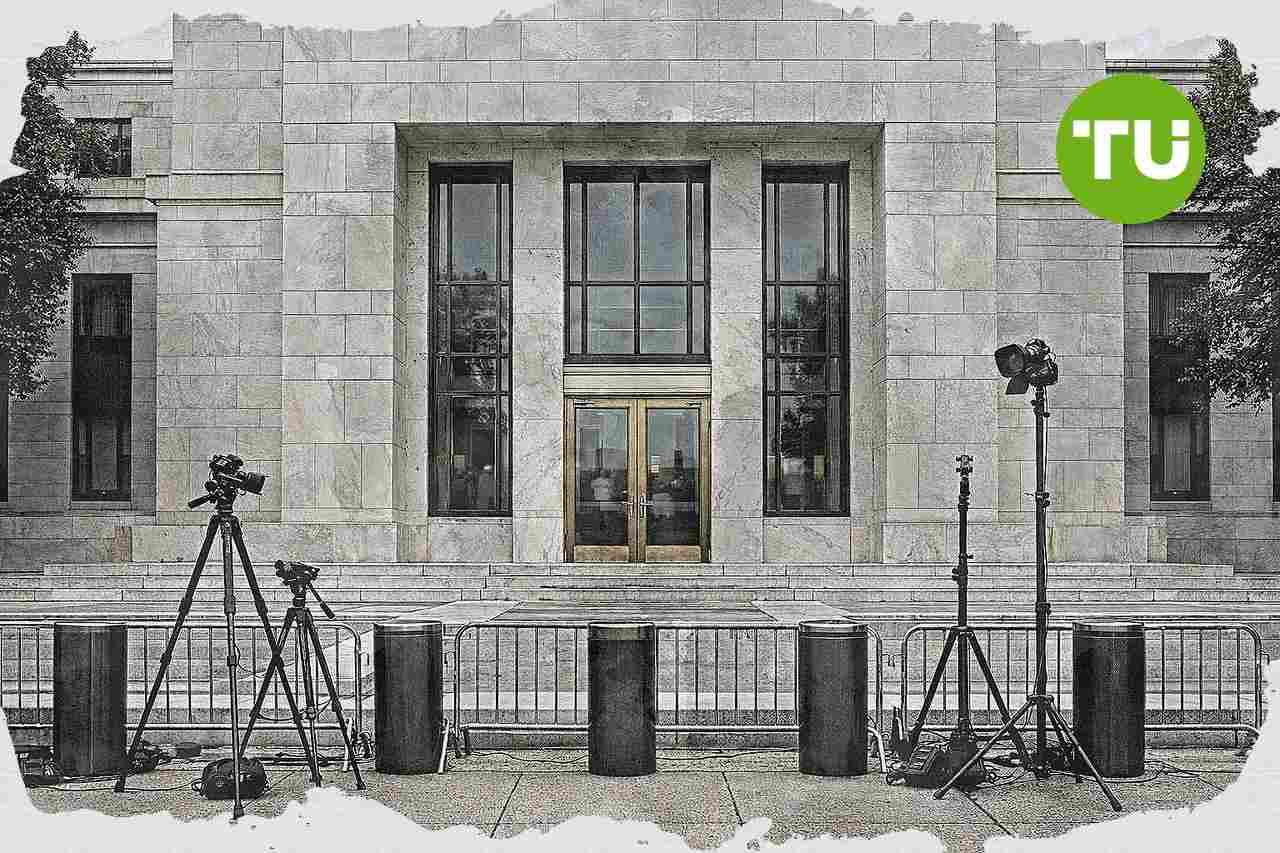
Federal Reserve officials are turning more cautious on inflation after the recent oil price shock tied to the Iran war. Updated projections show a sharp shift from March, with more policymakers now seeing higher interest rates as necessary to keep price pressures from broadening.
Highlights
- Nine of 19 Federal Reserve policymakers now expect at least one rate hike in 2024, whereas none did three months ago, reflecting a hawkish shift.
- Fed projections show median year-end PCE inflation at 3.6% and core PCE at 3.3%, both significantly higher than March forecasts of 2.7%.
- Unemployment rate forecast at 4.3% for year-end matches May's level and is below the March projection, lowering urgency for rate cuts.
Policy projections shift after oil-driven inflation jump
As reported by Reuters, nine of the U.S. central bank's 19 policymakers now believe the Fed will need to raise its policy rate this year, while the Fed keeps its benchmark rate in the 3.50%-3.75% range. Three months earlier, none of them had projected a rate increase.Six of those nine officials see the need for more than one quarter-point increase this year, according to the Fed's latest dot plot. Eight policymakers think rates should remain unchanged, while only one supports a single rate cut, and one official did not submit a rate-path projection.
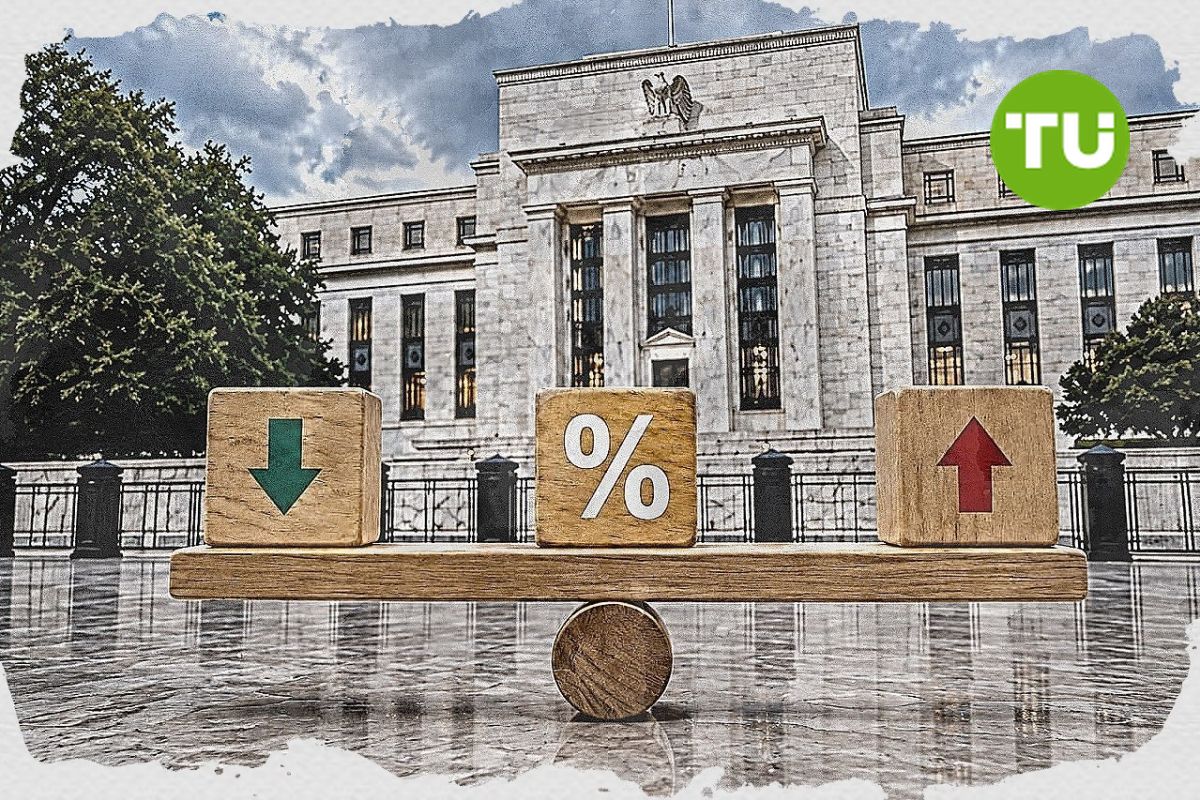
The shift highlights how quickly debate inside the Fed is moving away from when to begin cutting rates and toward whether tighter policy is needed again. Although global oil prices have fallen sharply since Iran and the U.S. announced a deal to end the conflict and restore flows through the Strait of Hormuz, uncertainty remains over how fast exports and shipping can recover after damage to energy facilities during the three-month war.
Inflation outlook worsens as labor market stays firm
The projections published on Wednesday show policymakers have become more pessimistic about inflation since March. Median year-end inflation measured by the personal consumption expenditures price index is now seen at 3.6%, up from the 2.7% forecast in March, while core PCE inflation is projected at 3.3% instead of 2.7%.The labor market outlook also appears firmer, reducing the case for lower rates. The unemployment rate is projected at 4.3% by year-end, matching the actual May reading and below the 4.4% policymakers expected in March, suggesting less concern that employment conditions need support from rate cuts.
Growth expectations weaken slightly, with GDP forecast at 2.2% this year compared with 2.4% in the March projections. The evolving rate outlook also presents a challenge for Fed Chair Kevin Warsh, who was chosen by President Donald Trump amid expectations of lower borrowing costs, a path that is becoming harder to justify as support for cuts fades.
In our earlier article on the Fed’s June meeting under new Chair Kevin Warsh, we noted that policymakers were expected to hold rates steady while potentially shifting their policy language. We highlighted that strong hiring, resilient consumer spending, and war-driven inflation were limiting room for rate cuts even as oil prices eased on hopes of a U.S.-Iran peace deal.














-
 Afghanistan
-
 Albania
-
 Algeria
-
 Angola
-
 Argentina
-
 Armenia
-
 Australia
-
 Austria
-
 Azerbaijan
-
 Bahamas
-
 Bahrain
-
 Bangladesh
-
 Belarus
-
 Belgium
-
 Bolivia
-
 Botswana
-
 Brazil
-
 Brunei
-
 Bulgaria
-
 Cambodia
-
 Cameroon
-
 Canada
-
 Chile
Chile
-
 China
China
-
 Colombia
-
 Congo
Congo
-
 Costa Rica
-
 Cote d'Ivoire
-
 Croatia
-
 Cuba
Cuba
-
 Cyprus
-
 Czechia
-
 DR Congo
-
 Denmark
-
 Dominican Republic
-
 Ecuador
-
 Egypt
Egypt
-
 El Salvador
-
 Estonia
-
 Eswatini
-
 Ethiopia
-
 Finland
-
 France
-
 Georgia
-
 Germany
-
 Ghana
Ghana
-
 Greece
-
 Haiti
Haiti
-
 Hong Kong
-
 Hungary
-
 India
India
-
 Indonesia
-
 Iran, Islamic republic
-
 Iraq
Iraq
-
 Ireland
-
 Israel
-
 Italy
Italy
-
 Jamaica
-
 Japan
Japan
-
 Jordan
-
 Kazakhstan
-
 Kenya
Kenya
-
 Korea
Korea
-
 Kuwait
-
 Kyrgyzstan
-
 Laos
Laos
-
 Latvia
-
 Lebanon
-
 Lesotho
-
 Libya
Libya
-
 Lithuania
-
 Luxembourg
-
 Madagascar
-
 Malaysia
-
 Malta
Malta
-
 Mauritius
-
 Mexico
-
 Moldova
-
 Mongolia
-
 Montenegro
-
 Morocco
-
 Mozambique
-
 Myanmar
-
 Namibia
-
 Nepal
Nepal
-
 Netherlands
-
 New Zealand
-
 Nigeria
-
 North Macedonia
-
 Norway
-
 Oman
Oman
-
 Pakistan
-
 Palestine
-
 Panama
-
 Papua New Guinea
-
 Paraguay
-
 Peru
Peru
-
 Philippines
-
 Poland
-
 Portugal
-
 Puerto Rico
-
 Qatar
Qatar
-
 Reunion
-
 Romania
-
 Rwanda
-
 Saudi Arabia
-
 Serbia
-
 Singapore
-
 Slovakia
-
 Slovenia
-
 Somalia
-
 South Africa
-
 Spain
Spain
-
 Sri Lanka
-
 Sweden
-
 Switzerland
-
 Syria
Syria
-
 Taiwan
-
 Tajikistan
-
 Tanzania
-
 Thailand
-
 Trinidad and Tobago
-
 Tunisia
-
 Turkey
-
 UAE
UAE
-
 Uganda
-
 Ukraine
-
 United Kingdom
-
United States
-
 Uruguay
-
 Uzbekistan
-
 Venezuela
-
 Vietnam
-
 Yemen
Yemen
-
 Zambia
-
 Zimbabwe
- Forex
- Crypto












