
Bank of England set to hold rates as Iran truce shapes inflation outlook
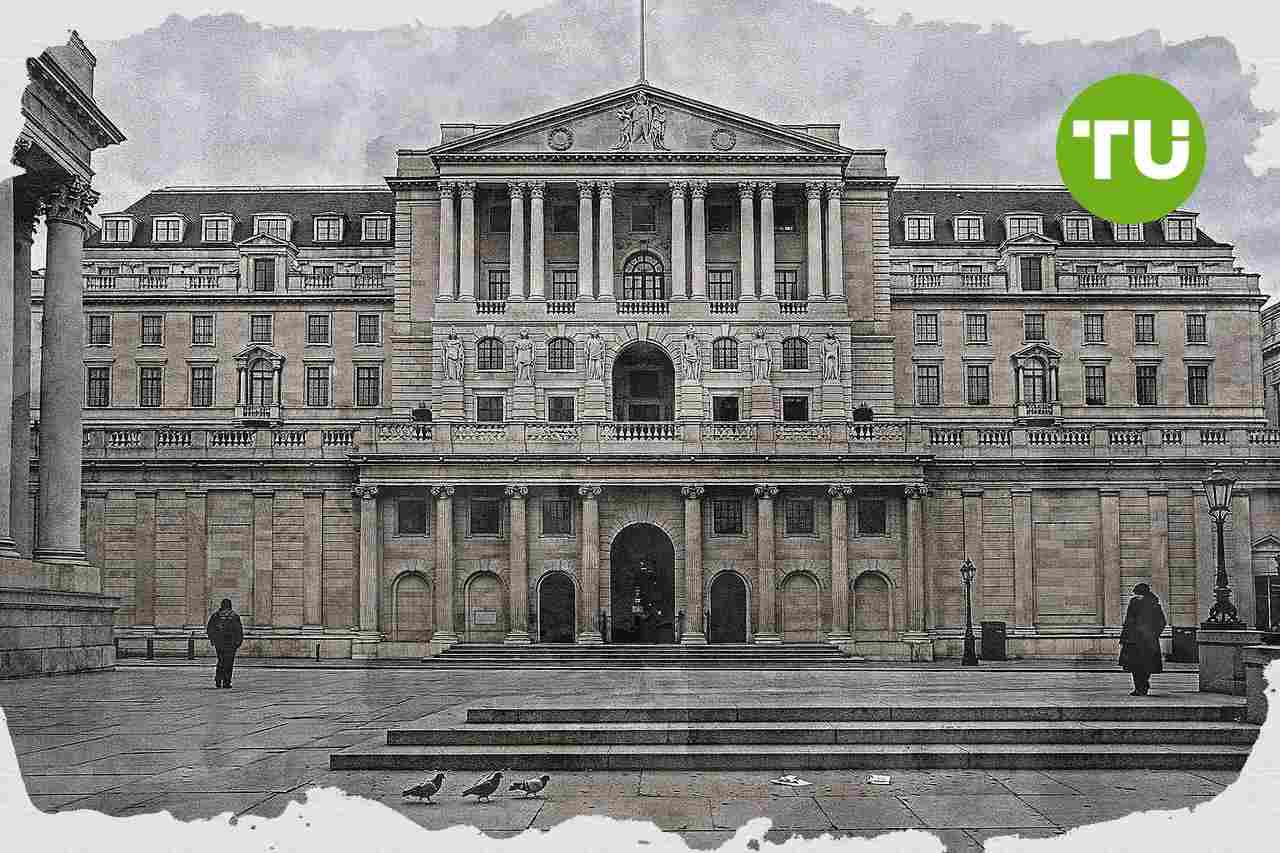
The Bank of England is poised to leave interest rates unchanged at 3.75% later on Thursday while policymakers weigh how a tentative truce in the Iran war could affect price pressures. The decision comes as UK inflation stays unexpectedly at a 13-month low in May, even as officials remain alert to the risk of second-round inflation effects.
Highlights
- Bank of England is expected to hold rates, diverging from the European Central Bank, as inflation remains at 2.8% in May, a 13-month low.
- Financial markets now price in only one quarter-point rate hike for the rest of 2024, down from four expected hikes before the Iran conflict.
- BoE projects inflation at 3.6%–3.7% by year-end if energy prices fall, but warns of risks above 6% in 2025 if conflict persists and costs are passed through.
Rate decision and policy signals
As reported by Reuters, Governor Andrew Bailey has said the Bank of England has time to wait, putting it in a different position from the European Central Bank, which raised interest rates last week for the first time since 2023.Investors and analysts are watching the nine-member Monetary Policy Committee for signs of dissent. External member Megan Greene is seen as the most likely to join Chief Economist Huw Pill in backing a quarter-point increase, after Greene said earlier this month that action sooner rather than later may be needed to reinforce public confidence that the BoE is staying ahead of rising prices.
Gordon Shannon, a partner at TwentyFour Asset Management, said policymakers concerned about second-round inflation effects may believe those pressures are already feeding into the system, even if oil prices continue to fall. That keeps open the case for moving quickly to prevent broader price gains from becoming entrenched.
UK economic backdrop and market impact
Fresh data offers some support for a cautious approach. Inflation unexpectedly remains at 2.8% in May, a 13-month low, as lower food prices offset higher airfares and petrol costs, while Britain's economy shrank 0.1% in April and labour market data is expected to show continued weakness.A Reuters poll last week shows most economists do not expect a rate increase this year, while financial markets now price in only one quarter-point rise. That marks a sharp shift from expectations before and just after the Iran conflict, when traders had moved from pricing cuts to as many as four hikes.
The BoE said in April that inflation is likely to reach 3.6% to 3.7% in the final quarter of this year under milder scenarios where energy prices fall and companies limit pass-through of higher costs. Under a darker scenario of prolonged conflict and stronger cost transmission, inflation could exceed 6% early next year, leaving the MPC reluctant to rule out future tightening even if it holds rates for now.
In our earlier GBP/USD outlook, we noted that softer UK inflation (2.8% in May) reduced pressure for near-term Bank of England rate hikes and weighed on demand for Pound Sterling. The piece highlighted that GBP/USD was trading with bearish momentum below key moving averages, with traders watching nearby resistance levels for any shift in sentiment.





Latest Bank of England News







-
 Afghanistan
-
 Albania
-
 Algeria
-
 Angola
-
 Argentina
-
 Armenia
-
 Australia
-
 Austria
-
 Azerbaijan
-
 Bahamas
-
 Bahrain
-
 Bangladesh
-
 Belarus
-
 Belgium
-
 Bolivia
-
 Botswana
-
 Brazil
-
 Brunei
-
 Bulgaria
-
 Cambodia
-
 Cameroon
-
 Canada
-
 Chile
Chile
-
 China
China
-
 Colombia
-
 Congo
Congo
-
 Costa Rica
-
 Cote d'Ivoire
-
 Croatia
-
 Cuba
Cuba
-
 Cyprus
-
 Czechia
-
 DR Congo
-
 Denmark
-
 Dominican Republic
-
 Ecuador
-
 Egypt
Egypt
-
 El Salvador
-
 Estonia
-
 Eswatini
-
 Ethiopia
-
 Finland
-
 France
-
 Georgia
-
 Germany
-
 Ghana
Ghana
-
 Greece
-
 Haiti
Haiti
-
 Hong Kong
-
 Hungary
-
 India
India
-
 Indonesia
-
 Iran, Islamic republic
-
 Iraq
Iraq
-
 Ireland
-
 Israel
-
 Italy
Italy
-
 Jamaica
-
 Japan
Japan
-
 Jordan
-
 Kazakhstan
-
 Kenya
Kenya
-
 Korea
Korea
-
 Kuwait
-
 Kyrgyzstan
-
 Laos
Laos
-
 Latvia
-
 Lebanon
-
 Lesotho
-
 Libya
Libya
-
 Lithuania
-
 Luxembourg
-
 Madagascar
-
 Malaysia
-
 Malta
Malta
-
 Mauritius
-
 Mexico
-
 Moldova
-
 Mongolia
-
 Montenegro
-
 Morocco
-
 Mozambique
-
 Myanmar
-
 Namibia
-
 Nepal
Nepal
-
 Netherlands
-
 New Zealand
-
 Nigeria
-
 North Macedonia
-
 Norway
-
 Oman
Oman
-
 Pakistan
-
 Palestine
-
 Panama
-
 Papua New Guinea
-
 Paraguay
-
 Peru
Peru
-
 Philippines
-
 Poland
-
 Portugal
-
 Puerto Rico
-
 Qatar
Qatar
-
 Reunion
-
 Romania
-
 Rwanda
-
 Saudi Arabia
-
 Serbia
-
 Singapore
-
 Slovakia
-
 Slovenia
-
 Somalia
-
 South Africa
-
 Spain
Spain
-
 Sri Lanka
-
 Sweden
-
 Switzerland
-
 Syria
Syria
-
 Taiwan
-
 Tajikistan
-
 Tanzania
-
 Thailand
-
 Trinidad and Tobago
-
 Tunisia
-
 Turkey
-
 UAE
UAE
-
 Uganda
-
 Ukraine
-
 United Kingdom
-
United States
-
 Uruguay
-
 Uzbekistan
-
 Venezuela
-
 Vietnam
-
 Yemen
Yemen
-
 Zambia
-
 Zimbabwe
- Forex
- Crypto












