
U.S. gasoline prices extend decline as Iran deal eases oil supply fears

Average gasoline prices in the U.S. fall below $4 per gallon for the first time since March 30 as expectations grow for higher oil flows through the Strait of Hormuz. The drop follows 28 straight days of declines after a May peak, although pump prices remain about 30% above levels seen before the Feb. 28 attacks on Iran.
Highlights
- U.S. average gasoline prices fell to $3.99 per gallon on Thursday, the first drop below $4 since March 30 after 28 days of declines.
- Market sentiment improved as President Donald Trump signed a deal to end the war with Iran, raising expectations for increased oil exports through the Strait of Hormuz.
- Despite the deal, oil shipping through Hormuz is recovering slowly after Iran's earlier closure caused a historic supply disruption, leaving the outlook for full restoration uncertain.
Price decline follows easing supply concerns
As reported by CNBC, U.S. drivers pay an average of $3.99 per gallon on Thursday, according to AAA data, marking the first move below $4 since March 30. Prices have fallen for 28 consecutive days after reaching a peak of $4.56 on May 21, the longest uninterrupted decline since November 2023.Market sentiment improves after President Donald Trump signs a deal to end the war with Iran, supporting expectations that oil exports through the Strait of Hormuz will increase. Trump has signaled for weeks that an agreement was approaching, which helps prevent oil prices from rising further.
Hormuz reopening remains gradual
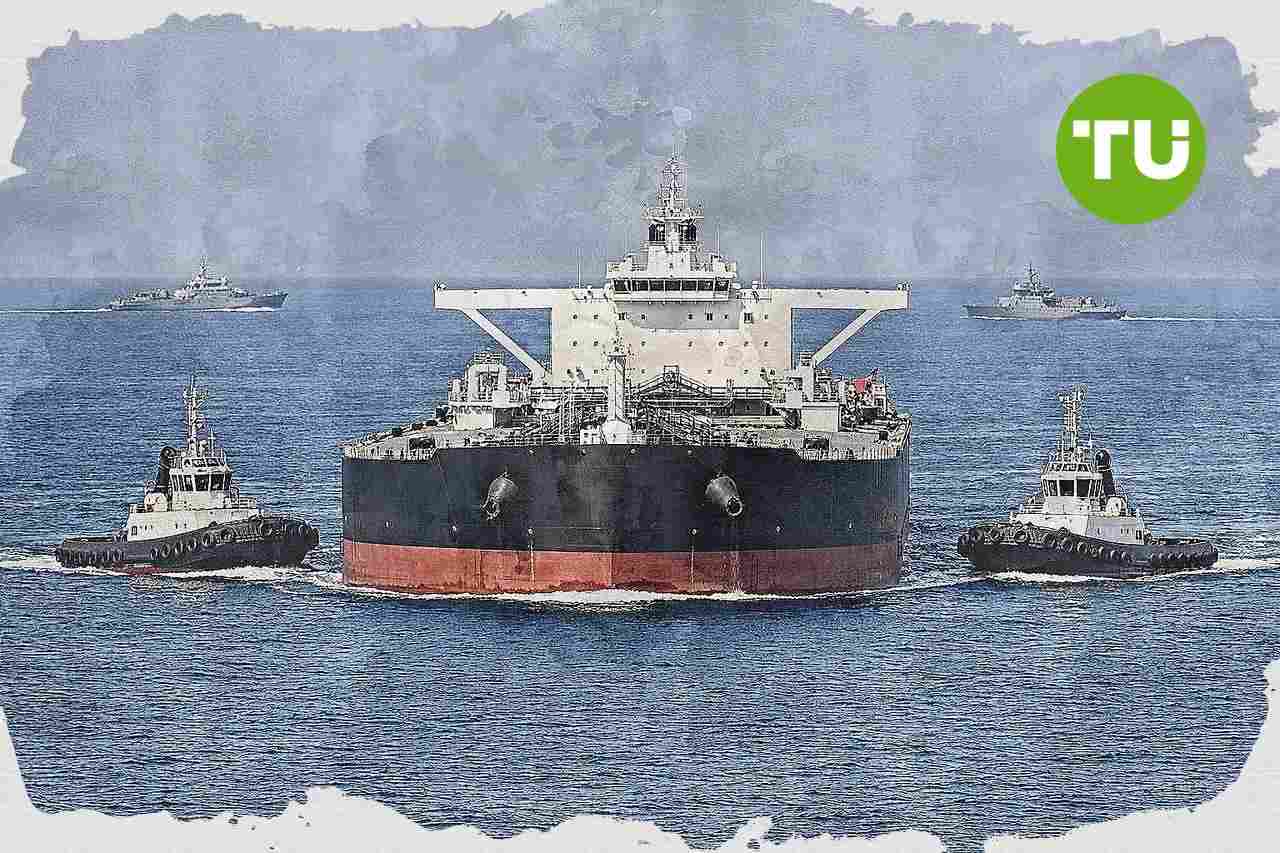
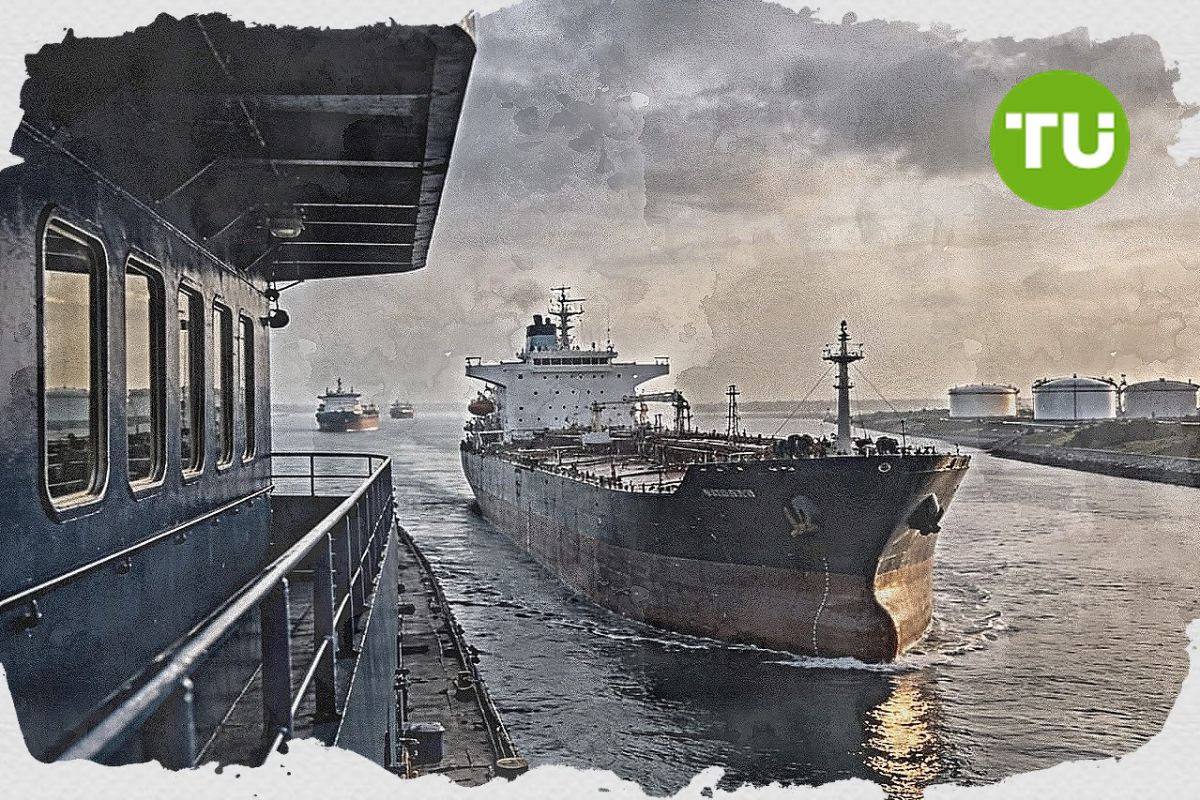
The Strait of Hormuz remains central to the outlook for fuel and energy markets because about 20% of global oil supplies passed through the waterway before the war. The U.S. Navy has also been assisting oil tankers through Hormuz since early May as the route remains under pressure.Tehran effectively closes the strait in retaliation by attacking commercial ships, triggering what the report describes as the biggest oil supply disruption in history. The U.S.-Iran deal is expected to gradually increase exports through Hormuz, though it remains unclear when shipping traffic will return to prewar levels.
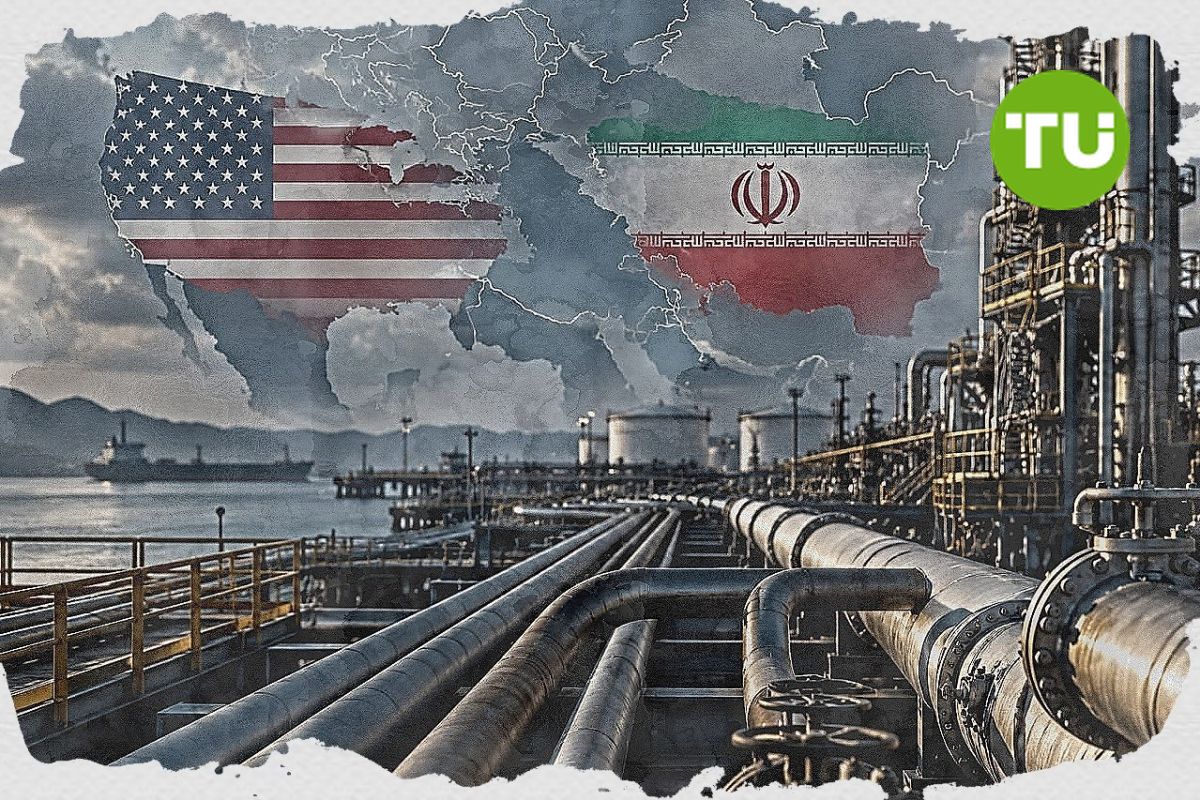
Our earlier coverage of the U.S.-Iran interim agreement to end the war and reopen the Strait of Hormuz noted that crude prices fell as traders began pricing in a return of Iranian exports and Gulf shipping flows. We also highlighted that implementation risks and renewed military threats could still keep a risk premium in place even as the market shifts from shortage fears toward the possibility of oversupply.





Latest USA News







-
 Afghanistan
-
 Albania
-
 Algeria
-
 Angola
-
 Argentina
-
 Armenia
-
 Australia
-
 Austria
-
 Azerbaijan
-
 Bahamas
-
 Bahrain
-
 Bangladesh
-
 Belarus
-
 Belgium
-
 Bolivia
-
 Botswana
-
 Brazil
-
 Brunei
-
 Bulgaria
-
 Cambodia
-
 Cameroon
-
 Canada
-
 Chile
Chile
-
 China
China
-
 Colombia
-
 Congo
Congo
-
 Costa Rica
-
 Cote d'Ivoire
-
 Croatia
-
 Cuba
Cuba
-
 Cyprus
-
 Czechia
-
 DR Congo
-
 Denmark
-
 Dominican Republic
-
 Ecuador
-
 Egypt
Egypt
-
 El Salvador
-
 Estonia
-
 Eswatini
-
 Ethiopia
-
 Finland
-
 France
-
 Georgia
-
 Germany
-
 Ghana
Ghana
-
 Greece
-
 Haiti
Haiti
-
 Hong Kong
-
 Hungary
-
 India
India
-
 Indonesia
-
 Iran, Islamic republic
-
 Iraq
Iraq
-
 Ireland
-
 Israel
-
 Italy
Italy
-
 Jamaica
-
 Japan
Japan
-
 Jordan
-
 Kazakhstan
-
 Kenya
Kenya
-
 Korea
Korea
-
 Kuwait
-
 Kyrgyzstan
-
 Laos
Laos
-
 Latvia
-
 Lebanon
-
 Lesotho
-
 Libya
Libya
-
 Lithuania
-
 Luxembourg
-
 Madagascar
-
 Malaysia
-
 Malta
Malta
-
 Mauritius
-
 Mexico
-
 Moldova
-
 Mongolia
-
 Montenegro
-
 Morocco
-
 Mozambique
-
 Myanmar
-
 Namibia
-
 Nepal
Nepal
-
 Netherlands
-
 New Zealand
-
 Nigeria
-
 North Macedonia
-
 Norway
-
 Oman
Oman
-
 Pakistan
-
 Palestine
-
 Panama
-
 Papua New Guinea
-
 Paraguay
-
 Peru
Peru
-
 Philippines
-
 Poland
-
 Portugal
-
 Puerto Rico
-
 Qatar
Qatar
-
 Reunion
-
 Romania
-
 Rwanda
-
 Saudi Arabia
-
 Serbia
-
 Singapore
-
 Slovakia
-
 Slovenia
-
 Somalia
-
 South Africa
-
 Spain
Spain
-
 Sri Lanka
-
 Sweden
-
 Switzerland
-
 Syria
Syria
-
 Taiwan
-
 Tajikistan
-
 Tanzania
-
 Thailand
-
 Trinidad and Tobago
-
 Tunisia
-
 Turkey
-
 UAE
UAE
-
 Uganda
-
 Ukraine
-
 United Kingdom
-
United States
-
 Uruguay
-
 Uzbekistan
-
 Venezuela
-
 Vietnam
-
 Yemen
Yemen
-
 Zambia
-
 Zimbabwe
- Forex
- Crypto












