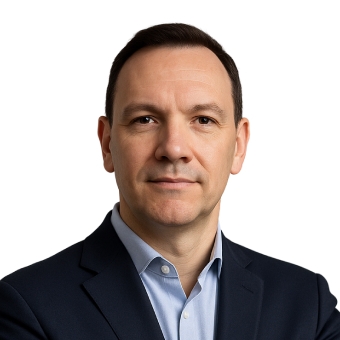
European capitals are debating whether direct outreach to Moscow can revive stalled efforts to end the war in Ukraine. Austria's Chancellor Christian Stocker says the EU should use what he calls fresh momentum around diplomacy to reopen negotiations with Russian President Vladimir Putin.
Highlights
- Austria's Stocker publicly supports Brussels' recent efforts to reopen EU communication channels with the Kremlin to foster renewed Ukraine talks.
- Momentum for peace talks has increased following the Iran ceasefire, with Stocker suggesting U.S. focus may now return to the Ukraine conflict.
- Divisions remain among EU leaders, as some advocate direct engagement with Putin while others favor increasing support for Ukraine to apply military pressure.
Diplomatic opening around Ukraine talks
As reported by Financial Times, Stocker says he strongly supports recent moves by Brussels to reopen communication channels with the Kremlin and wants other EU leaders to back that effort. In an interview, he argues that wars end through successful diplomacy rather than weapons, and says negotiations require channels of communication to be opened first.Stocker says there is now momentum for peace talks and links that to the ceasefire in Iran, which he says had for months diverted the attention of U.S. President Donald Trump and his team away from Ukraine. He says he is cautiously optimistic that if a solution is found in the Middle East, the focus will shift back to the war in Ukraine.
U.S.-led negotiations aimed at ending Russia's more than four-year war against Ukraine have stalled. That has triggered debate in European capitals over whether the EU should try to break the deadlock through direct engagement with Putin.
Divisions within Europe over strategy
Not all European leaders share that view, with many remaining deeply sceptical about reopening talks with the Russian president. Those governments argue the bloc should instead step up support for Ukraine and increase pressure on the battlefield to force Putin to negotiate.Stocker declines to say who Europe should appoint to speak with Putin, but says the bigger issue is agreeing on the substance of any message. He says EU leaders still need serious discussions on what such an envoy would say, while stressing that the bloc's common position has been that support for Ukraine is not meant to sustain an endless war but to secure a just and lasting peace.
Our earlier coverage of the U.S.–Iran interim agreement explained how Washington and Tehran extended their ceasefire and set a framework for broader nuclear talks, including possible sanctions relief and access to frozen Iranian funds. We also noted that while the deal eased immediate fears around Gulf shipping and energy supply routes, unresolved nuclear and regional security questions kept markets cautious.


Latest JCR News





-
 Afghanistan
-
 Albania
-
 Algeria
-
 Angola
-
 Argentina
-
 Armenia
-
 Australia
-
 Austria
-
 Azerbaijan
-
 Bahamas
-
 Bahrain
-
 Bangladesh
-
 Belarus
-
 Belgium
-
 Bolivia
-
 Botswana
-
 Brazil
-
 Brunei
-
 Bulgaria
-
 Cambodia
-
 Cameroon
-
 Canada
-
 Chile
Chile
-
 China
China
-
 Colombia
-
 Congo
Congo
-
 Costa Rica
-
 Cote d'Ivoire
-
 Croatia
-
 Cuba
Cuba
-
 Cyprus
-
 Czechia
-
 DR Congo
-
 Denmark
-
 Dominican Republic
-
 Ecuador
-
 Egypt
Egypt
-
 El Salvador
-
 Estonia
-
 Eswatini
-
 Ethiopia
-
 Finland
-
 France
-
 Georgia
-
 Germany
-
 Ghana
Ghana
-
 Greece
-
 Haiti
Haiti
-
 Hong Kong
-
 Hungary
-
 India
India
-
 Indonesia
-
 Iran, Islamic republic
-
 Iraq
Iraq
-
 Ireland
-
 Israel
-
 Italy
Italy
-
 Jamaica
-
 Japan
Japan
-
 Jordan
-
 Kazakhstan
-
 Kenya
Kenya
-
 Korea
Korea
-
 Kuwait
-
 Kyrgyzstan
-
 Laos
Laos
-
 Latvia
-
 Lebanon
-
 Lesotho
-
 Libya
Libya
-
 Lithuania
-
 Luxembourg
-
 Madagascar
-
 Malaysia
-
 Malta
Malta
-
 Mauritius
-
 Mexico
-
 Moldova
-
 Mongolia
-
 Montenegro
-
 Morocco
-
 Mozambique
-
 Myanmar
-
 Namibia
-
 Nepal
Nepal
-
 Netherlands
-
 New Zealand
-
 Nigeria
-
 North Macedonia
-
 Norway
-
 Oman
Oman
-
 Pakistan
-
 Palestine
-
 Panama
-
 Papua New Guinea
-
 Paraguay
-
 Peru
Peru
-
 Philippines
-
 Poland
-
 Portugal
-
 Puerto Rico
-
 Qatar
Qatar
-
 Reunion
-
 Romania
-
 Rwanda
-
 Saudi Arabia
-
 Serbia
-
 Singapore
-
 Slovakia
-
 Slovenia
-
 Somalia
-
 South Africa
-
 Spain
Spain
-
 Sri Lanka
-
 Sweden
-
 Switzerland
-
 Syria
Syria
-
 Taiwan
-
 Tajikistan
-
 Tanzania
-
 Thailand
-
 Trinidad and Tobago
-
 Tunisia
-
 Turkey
-
 UAE
UAE
-
 Uganda
-
 Ukraine
-
 United Kingdom
-
United States
-
 Uruguay
-
 Uzbekistan
-
 Venezuela
-
 Vietnam
-
 Yemen
Yemen
-
 Zambia
-
 Zimbabwe
- Forex
- Crypto











