
EU aluminium scrap curbs delayed as export debate weighs on recyclers and smelters
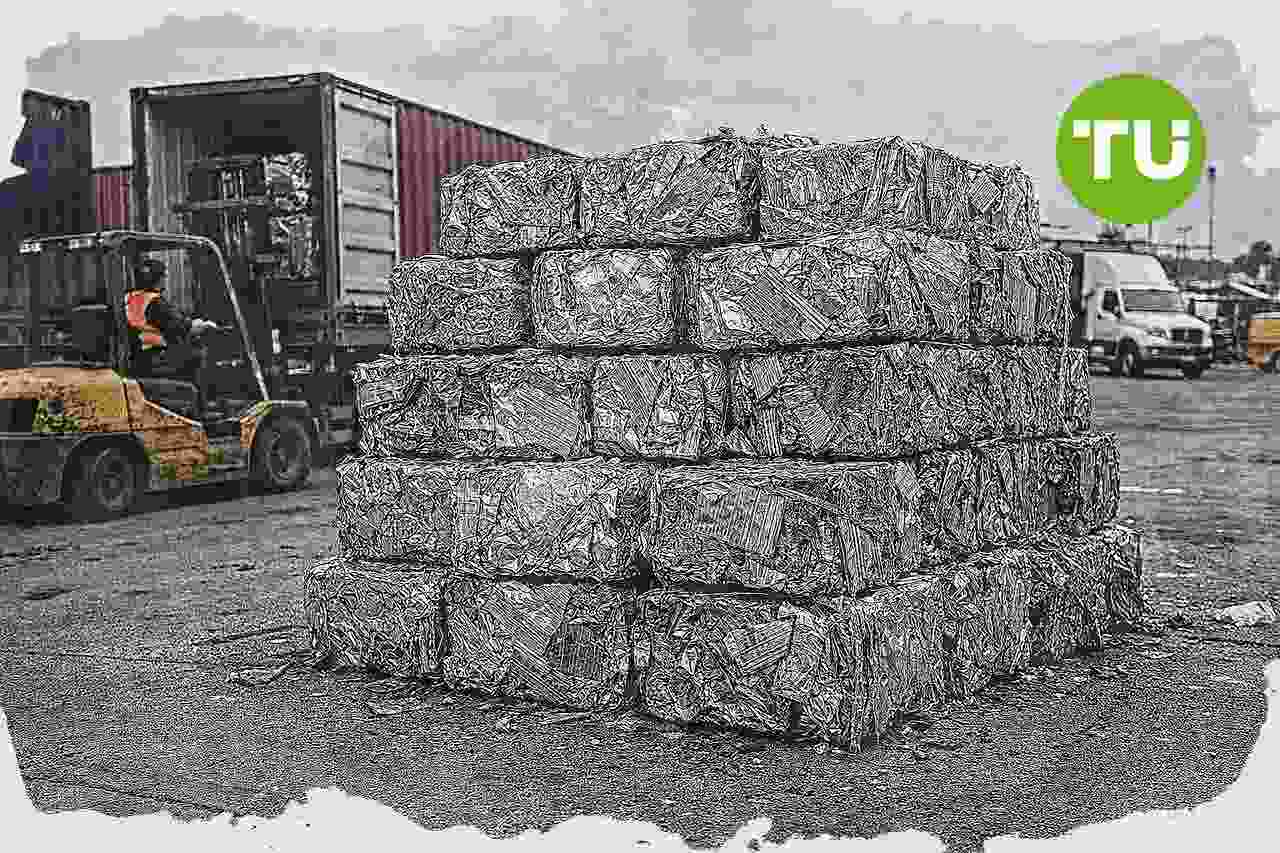
The European Union's planned restrictions on aluminium scrap exports are now expected in September instead of spring 2026, extending uncertainty for producers and recyclers. The delay matters for the bloc's decarbonisation strategy because recycled aluminium uses far less energy than primary metal made from mined bauxite.
Highlights
- EU aluminium scrap export curbs originally planned for spring 2026 have been delayed to September, prolonging sector uncertainty, according to industry sources.
- EU aluminium scrap exports hit a record 1.27 million metric tons in 2025, up 50% from 2019, with growing exports to Asia and intensifying supply concerns after UAE's export ban.
- Industry split persists, as European Aluminium supports export restrictions for decarbonisation, while Recycling Europe warns curbs could reduce recycler investment and leave recyclable material unprocessed.
September timeline for export measures
As reported by Reuters, European Trade Commissioner Maros Sefcovic announced last November that measures to restrict aluminium scrap exports should be adopted by spring 2026, but European Aluminium and other industry sources now say the timetable has slipped to September.One industry source says the delay reflects the difficulty of balancing competing interests across the sector. The European Commission does not immediately respond to a request for comment.
European Aluminium, which supports curbs on exports, says EU aluminium scrap exports reach a record 1.27 million metric tons in 2025, about 50% above 2019 levels, with most shipments going to Asia and the largest volume to India. The group adds that exports rise further in the first four months of 2026.
Paul Voss, director general of European Aluminium, says the industry is impatient because of the scale and urgency of the problem, but adds that the policy debate is about the next five years rather than the next five weeks. He says he expects effective measures after the EU institutions' traditional August break.
Industry split over market and investment impact
Scrap is central to the aluminium sector's decarbonisation efforts because recycling aluminium uses 95% less energy than producing the metal from mined bauxite. European Aluminium also says a scrap export ban announced by the United Arab Emirates in June is likely to worsen supply pressures because India normally sources around 20% of its scrap from Gulf states.Recycling Europe opposes export restrictions and argues that only 20% of scrap is actually exported, with much of that material being lower grade and not suitable for processing in the EU. The group says curbs could force recyclers to scale back operations and cancel investments, leaving significant volumes of recyclable material uncollected and unprocessed.
Our earlier article on the UK’s higher steel import barriers explained how tighter tariff-free quotas and higher duties were intended to protect domestic producers but risked lifting costs and tightening supply for construction and manufacturing. It also noted that surging structural steel prices and remaining gaps in the regime could leave parts of the supply chain exposed, underscoring the difficulty of balancing producer protection with downstream industry needs.




Latest Export Controls News







-
 Afghanistan
-
 Albania
-
 Algeria
-
 Angola
-
 Argentina
-
 Armenia
-
 Australia
-
 Austria
-
 Azerbaijan
-
 Bahamas
-
 Bahrain
-
 Bangladesh
-
 Belarus
-
 Belgium
-
 Bolivia
-
 Botswana
-
 Brazil
-
 Brunei
-
 Bulgaria
-
 Cambodia
-
 Cameroon
-
 Canada
-
 Chile
Chile
-
 China
China
-
 Colombia
-
 Congo
Congo
-
 Costa Rica
-
 Cote d'Ivoire
-
 Croatia
-
 Cuba
Cuba
-
 Cyprus
-
 Czechia
-
 DR Congo
-
 Denmark
-
 Dominican Republic
-
 Ecuador
-
 Egypt
Egypt
-
 El Salvador
-
 Estonia
-
 Eswatini
-
 Ethiopia
-
 Finland
-
 France
-
 Georgia
-
 Germany
-
 Ghana
Ghana
-
 Greece
-
 Haiti
Haiti
-
 Hong Kong
-
 Hungary
-
 India
India
-
 Indonesia
-
 Iran, Islamic republic
-
 Iraq
Iraq
-
 Ireland
-
 Israel
-
 Italy
Italy
-
 Jamaica
-
 Japan
Japan
-
 Jordan
-
 Kazakhstan
-
 Kenya
Kenya
-
 Korea
Korea
-
 Kuwait
-
 Kyrgyzstan
-
 Laos
Laos
-
 Latvia
-
 Lebanon
-
 Lesotho
-
 Libya
Libya
-
 Lithuania
-
 Luxembourg
-
 Madagascar
-
 Malaysia
-
 Malta
Malta
-
 Mauritius
-
 Mexico
-
 Moldova
-
 Mongolia
-
 Montenegro
-
 Morocco
-
 Mozambique
-
 Myanmar
-
 Namibia
-
 Nepal
Nepal
-
 Netherlands
-
 New Zealand
-
 Nigeria
-
 North Macedonia
-
 Norway
-
 Oman
Oman
-
 Pakistan
-
 Palestine
-
 Panama
-
 Papua New Guinea
-
 Paraguay
-
 Peru
Peru
-
 Philippines
-
 Poland
-
 Portugal
-
 Puerto Rico
-
 Qatar
Qatar
-
 Reunion
-
 Romania
-
 Rwanda
-
 Saudi Arabia
-
 Serbia
-
 Singapore
-
 Slovakia
-
 Slovenia
-
 Somalia
-
 South Africa
-
 Spain
Spain
-
 Sri Lanka
-
 Sweden
-
 Switzerland
-
 Syria
Syria
-
 Taiwan
-
 Tajikistan
-
 Tanzania
-
 Thailand
-
 Trinidad and Tobago
-
 Tunisia
-
 Turkey
-
 UAE
UAE
-
 Uganda
-
 Ukraine
-
 United Kingdom
-
United States
-
 Uruguay
-
 Uzbekistan
-
 Venezuela
-
 Vietnam
-
 Yemen
Yemen
-
 Zambia
-
 Zimbabwe
- Forex
- Crypto











