
U.S. Justice Department files lawsuit against Philadelphia over mask ban for federal officers
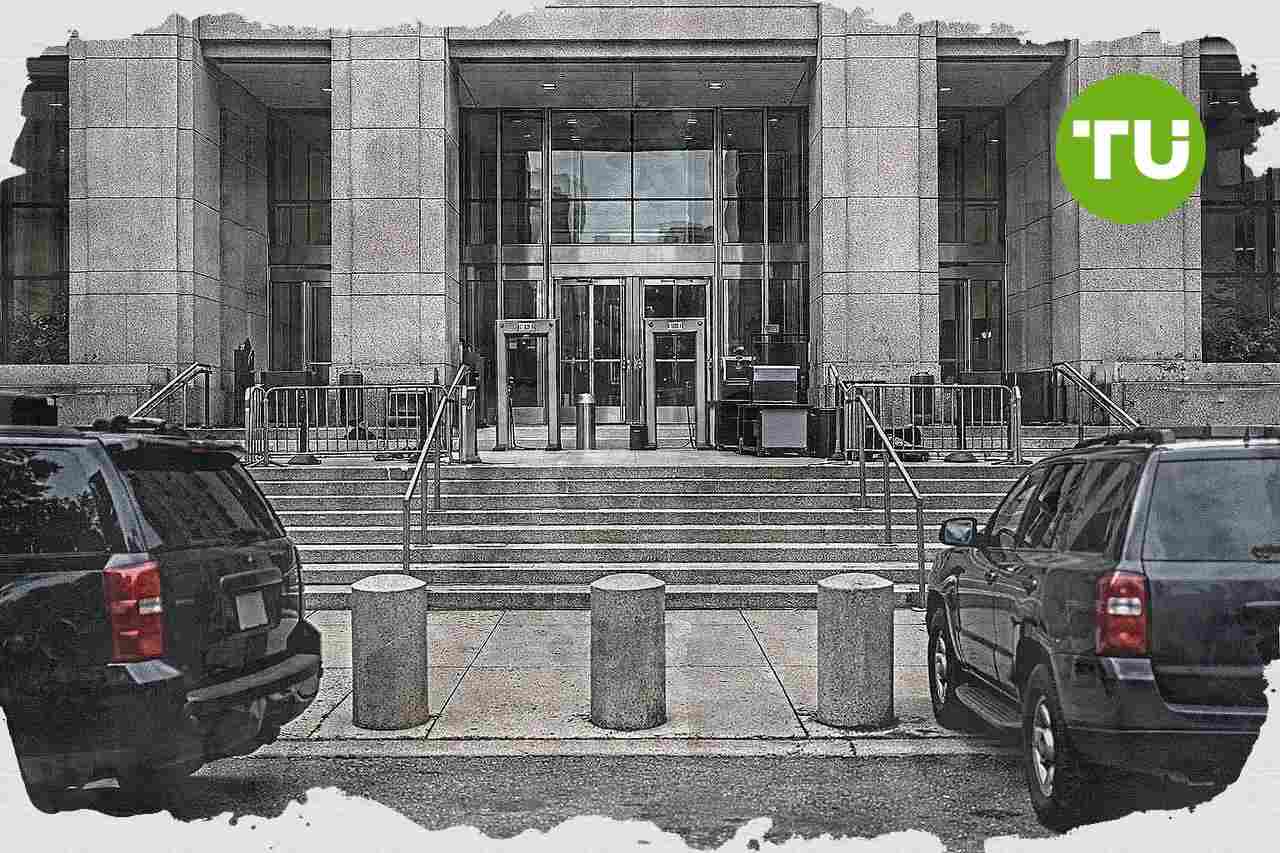
Philadelphia is facing a federal legal challenge as a city law targeting law enforcement practices nears its effective date next month. The U.S. Department of Justice says the measure unlawfully restricts federal officers by banning masks, requiring individual identifiers and limiting the use of unmarked vehicles.
Highlights
- The U.S. Justice Department filed a lawsuit against Philadelphia, Mayor Cherelle Parker, and city officials to block Bill No. 260060 before its implementation next month.
- The bill criminalizes federal officers wearing masks, requires public identifier display, and bars unmarked vehicles, which the Department says infringes on federal authority and officer safety.
- This lawsuit is part of a broader federal initiative challenging state and local laws in several states that the Department argues impede lawful federal enforcement operations.
Legal challenge before bill takes effect
As reported by the U.S. Department of Justice, the lawsuit names the City of Philadelphia, Mayor Cherelle Parker, District Attorney Lawrence Krasner and City Solicitor Renee Garcia, and seeks to block Phila. Bill No. 260060. The department argues the measure is an unconstitutional attempt by the city to regulate federal law enforcement operations.The complaint says the law criminally prohibits federal officers from wearing masks, requires them to display individual identifiers and bars the use of unmarked vehicles in the city. Federal officials contend those requirements interfere with the execution of federal duties and violate constitutional limits on local authority over the federal government.
The department also points to language in the bill stating that the City Council intends to define the scope of duty and substantive obligations of federal law enforcement operating in Philadelphia. It says that position underscores the city's effort to regulate federal officers directly, even as the bill is set to take effect next month unless the court grants relief.
Officer safety and broader enforcement implications
The Justice Department says the Philadelphia measure threatens the safety of federal officers who face harassment, doxing and violence. It argues that exposing officers' identities and threatening prosecution for protective measures could chill federal law enforcement activity and compromise sensitive operations.Associate Attorney General Stanley Woodward says the department is suing because Philadelphia is seeking to criminally punish federal officers for doing their jobs. Assistant Attorney General Brett A. Shumate of the Civil Division says the city is violating separation of powers principles and cannot regulate federal operations.
The filing also fits into a wider Civil Division effort directed by Acting Attorney General Blanche to identify state and local laws, policies and practices that facilitate violations of federal law or impede lawful federal operations. The department says the Philadelphia case is the latest in a series of lawsuits targeting what it calls illegal policies in states including Virginia, Connecticut, New Jersey and California.
Our earlier article on proposed restrictions on congressional prediction-market betting explained that lawmakers are weighing a ban that would prevent members of Congress and their families from wagering on politics, policy outcomes, and elections, while still allowing bets on nonpolitical events. We noted that although the proposal has drawn attention amid broader ethics debates, it faces a difficult path in the Senate due to limited bipartisan support.





Latest R&I News







-
 Afghanistan
-
 Albania
-
 Algeria
-
 Angola
-
 Argentina
-
 Armenia
-
 Australia
-
 Austria
-
 Azerbaijan
-
 Bahamas
-
 Bahrain
-
 Bangladesh
-
 Belarus
-
 Belgium
-
 Bolivia
-
 Botswana
-
 Brazil
-
 Brunei
-
 Bulgaria
-
 Cambodia
-
 Cameroon
-
 Canada
-
 Chile
Chile
-
 China
China
-
 Colombia
-
 Congo
Congo
-
 Costa Rica
-
 Cote d'Ivoire
-
 Croatia
-
 Cuba
Cuba
-
 Cyprus
-
 Czechia
-
 DR Congo
-
 Denmark
-
 Dominican Republic
-
 Ecuador
-
 Egypt
Egypt
-
 El Salvador
-
 Estonia
-
 Eswatini
-
 Ethiopia
-
 Finland
-
 France
-
 Georgia
-
 Germany
-
 Ghana
Ghana
-
 Greece
-
 Haiti
Haiti
-
 Hong Kong
-
 Hungary
-
 India
India
-
 Indonesia
-
 Iran, Islamic republic
-
 Iraq
Iraq
-
 Ireland
-
 Israel
-
 Italy
Italy
-
 Jamaica
-
 Japan
Japan
-
 Jordan
-
 Kazakhstan
-
 Kenya
Kenya
-
 Korea
Korea
-
 Kuwait
-
 Kyrgyzstan
-
 Laos
Laos
-
 Latvia
-
 Lebanon
-
 Lesotho
-
 Libya
Libya
-
 Lithuania
-
 Luxembourg
-
 Madagascar
-
 Malaysia
-
 Malta
Malta
-
 Mauritius
-
 Mexico
-
 Moldova
-
 Mongolia
-
 Montenegro
-
 Morocco
-
 Mozambique
-
 Myanmar
-
 Namibia
-
 Nepal
Nepal
-
 Netherlands
-
 New Zealand
-
 Nigeria
-
 North Macedonia
-
 Norway
-
 Oman
Oman
-
 Pakistan
-
 Palestine
-
 Panama
-
 Papua New Guinea
-
 Paraguay
-
 Peru
Peru
-
 Philippines
-
 Poland
-
 Portugal
-
 Puerto Rico
-
 Qatar
Qatar
-
 Reunion
-
 Romania
-
 Rwanda
-
 Saudi Arabia
-
 Serbia
-
 Singapore
-
 Slovakia
-
 Slovenia
-
 Somalia
-
 South Africa
-
 Spain
Spain
-
 Sri Lanka
-
 Sweden
-
 Switzerland
-
 Syria
Syria
-
 Taiwan
-
 Tajikistan
-
 Tanzania
-
 Thailand
-
 Trinidad and Tobago
-
 Tunisia
-
 Turkey
-
 UAE
UAE
-
 Uganda
-
 Ukraine
-
 United Kingdom
-
United States
-
 Uruguay
-
 Uzbekistan
-
 Venezuela
-
 Vietnam
-
 Yemen
Yemen
-
 Zambia
-
 Zimbabwe
- Forex
- Crypto












