

EU delays tougher China trade action as leaders back dialogue
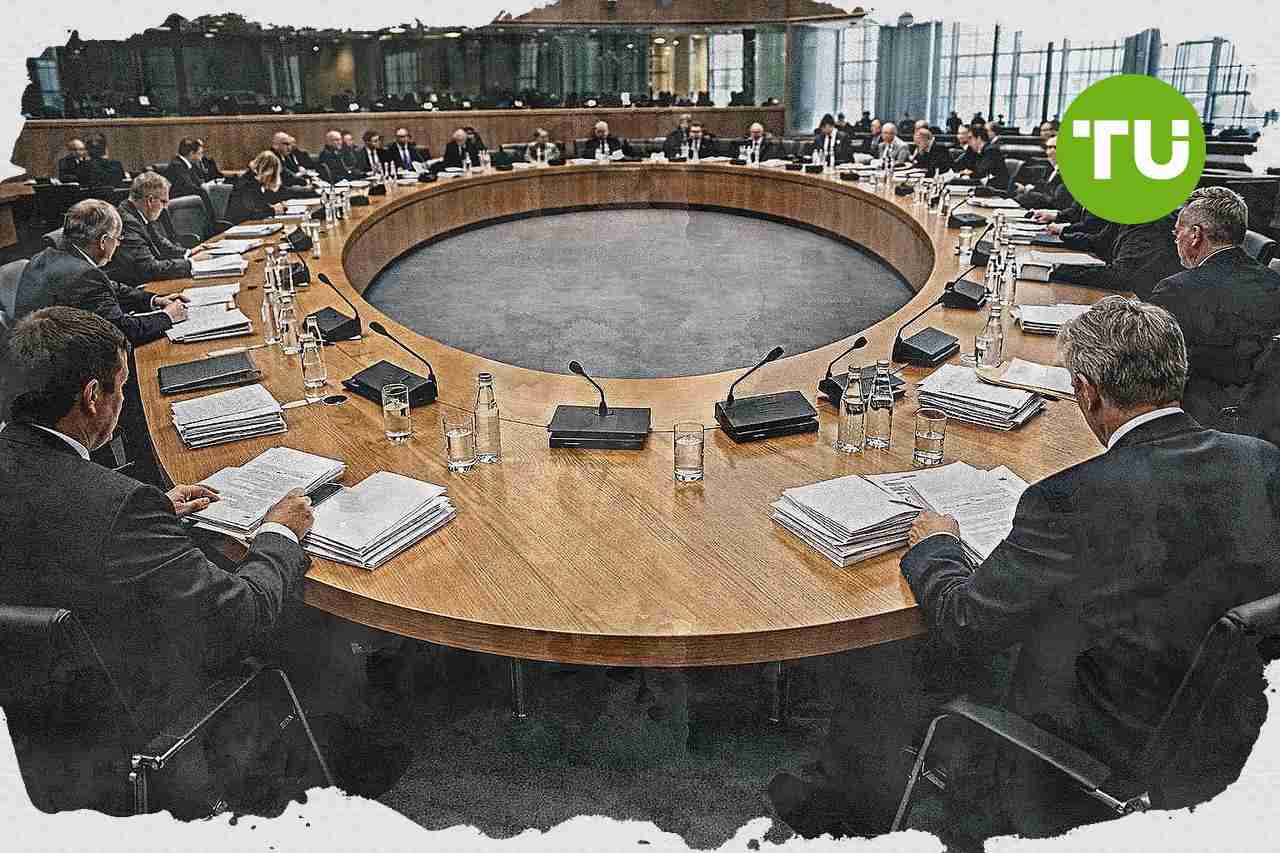
Mounting concern over cheap Chinese imports and the erosion of European industrial output is pushing the EU to weigh stronger trade defenses against Beijing. But leaders at a Brussels summit stop short of immediate measures, highlighting divisions inside the bloc and fears of Chinese retaliation.
Highlights
- EU leaders at the Brussels summit opt for continued dialogue over immediate trade action against China, despite a goods trade deficit of 1 billion euros per day.
- Member states remain split, with Germany and Spain urging caution while France, Italy, Poland, and the Netherlands push for new tariff and quota tools targeting Chinese imports.
- Retaliation risks increase after Beijing imposes levies on EU food and wine in response to EU tariffs on Chinese electric vehicles, prompting calls for a roadmap to reduce dependencies.
Summit mandate and policy options
As first reported by Financial Times, the EU’s 27 leaders choose dialogue rather than immediate action at the Brussels summit, even after sharper rhetoric before the meeting over Chinese imports and their impact on European industry. Officials say leaders describe the issue as one of “global macroeconomic imbalances” and call for a European response built on unity and talks with the bloc’s main economic partners.During a dinner on Thursday, European Commission President Ursula von der Leyen presents leaders with a bleak economic picture, including falling EU exports, rising Chinese imports and a goods trade deficit that reaches 1 billion euros a day. Leaders instruct her to continue constructive engagement with key partners while ensuring that the dialogue delivers results.
They also ask the Commission to develop and eventually expand its toolbox in trade defence and industrial policy. Before the summit, von der Leyen’s European People’s Party says it will not accept what it calls China’s unfair market intervention and urges the Commission to strengthen existing trade-defence instruments.
Germany, France, Italy, Poland and the Netherlands this week call for new tools that would raise tariffs and quotas and require companies to secure alternative sources of critical inputs. The push comes after China restricts exports of some rare earths used in products such as cars and wind turbines.
Member state splits and retaliation risks
Support for tougher measures remains uneven across the bloc. Spain opposes new steps, according to a government official, while German Chancellor Friedrich Merz takes a more cautious tone during the dinner debate, despite signing a statement with von der Leyen and 10 other leaders that urges the EU to stop being naive about China’s long-term ambitions.Spanish Prime Minister Pedro Sánchez says on arrival that China is a “potential ally”, underlining the political gap among member states. One EU government official says talks on new instruments are still far from agreement, while a senior EU diplomat involved in the summit says the bloc is once again debating a problem it previously described as intolerable.
Several diplomats say some governments prefer to reduce reliance on China before imposing tariffs because they fear retaliation. After the EU places tariffs on Chinese electric vehicle imports, Beijing responds with levies on EU food and wine products.
Finnish Prime Minister Petteri Orpo asks the Commission to draw up a roadmap showing vulnerable areas and ways to cut dependencies. Austrian Chancellor Christian Stocker says the EU needs a strategic reorientation and warns that any action against China is likely to trigger a response that the bloc must be ready to handle.
In our earlier report on the European Commission’s draft banking reforms, we outlined plans to give EU lenders more flexibility to move capital and liquidity across member states to boost competitiveness. We also noted proposals to simplify some regulatory requirements (including parts of Basel III) and the renewed, politically sensitive debate over banking-union issues such as deposit insurance and crisis management, where member-state divisions remain a key obstacle.





Latest Tariffs News




-
 Afghanistan
-
 Albania
-
 Algeria
-
 Angola
-
 Argentina
-
 Armenia
-
 Australia
-
 Austria
-
 Azerbaijan
-
 Bahamas
-
 Bahrain
-
 Bangladesh
-
 Belarus
-
 Belgium
-
 Bolivia
-
 Botswana
-
 Brazil
-
 Brunei
-
 Bulgaria
-
 Cambodia
-
 Cameroon
-
 Canada
-
 Chile
Chile
-
 China
China
-
 Colombia
-
 Congo
Congo
-
 Costa Rica
-
 Cote d'Ivoire
-
 Croatia
-
 Cuba
Cuba
-
 Cyprus
-
 Czechia
-
 DR Congo
-
 Denmark
-
 Dominican Republic
-
 Ecuador
-
 Egypt
Egypt
-
 El Salvador
-
 Estonia
-
 Eswatini
-
 Ethiopia
-
 Finland
-
 France
-
 Georgia
-
 Germany
-
 Ghana
Ghana
-
 Greece
-
 Haiti
Haiti
-
 Hong Kong
-
 Hungary
-
 India
India
-
 Indonesia
-
 Iran, Islamic republic
-
 Iraq
Iraq
-
 Ireland
-
 Israel
-
 Italy
Italy
-
 Jamaica
-
 Japan
Japan
-
 Jordan
-
 Kazakhstan
-
 Kenya
Kenya
-
 Korea
Korea
-
 Kuwait
-
 Kyrgyzstan
-
 Laos
Laos
-
 Latvia
-
 Lebanon
-
 Lesotho
-
 Libya
Libya
-
 Lithuania
-
 Luxembourg
-
 Madagascar
-
 Malaysia
-
 Malta
Malta
-
 Mauritius
-
 Mexico
-
 Moldova
-
 Mongolia
-
 Montenegro
-
 Morocco
-
 Mozambique
-
 Myanmar
-
 Namibia
-
 Nepal
Nepal
-
 Netherlands
-
 New Zealand
-
 Nigeria
-
 North Macedonia
-
 Norway
-
 Oman
Oman
-
 Pakistan
-
 Palestine
-
 Panama
-
 Papua New Guinea
-
 Paraguay
-
 Peru
Peru
-
 Philippines
-
 Poland
-
 Portugal
-
 Puerto Rico
-
 Qatar
Qatar
-
 Reunion
-
 Romania
-
 Rwanda
-
 Saudi Arabia
-
 Serbia
-
 Singapore
-
 Slovakia
-
 Slovenia
-
 Somalia
-
 South Africa
-
 Spain
Spain
-
 Sri Lanka
-
 Sweden
-
 Switzerland
-
 Syria
Syria
-
 Taiwan
-
 Tajikistan
-
 Tanzania
-
 Thailand
-
 Trinidad and Tobago
-
 Tunisia
-
 Turkey
-
 UAE
UAE
-
 Uganda
-
 Ukraine
-
 United Kingdom
-
United States
-
 Uruguay
-
 Uzbekistan
-
 Venezuela
-
 Vietnam
-
 Yemen
Yemen
-
 Zambia
-
 Zimbabwe
- Forex
- Crypto












