
AI listings threaten to redirect market attention from Magnificent Seven

A new wave of AI-linked listings is shifting investor focus away from the U.S. technology giants that have dominated equity markets in recent years. SpaceX’s public market debut and confidential filing moves by OpenAI and Anthropic raise questions about whether capital and valuation momentum are moving toward a smaller group of newly accessible AI names.
Highlights
- SpaceX's recent listing briefly surpassed Amazon and Microsoft, reaching a $2 trillion market cap at over 140 times last-12-months revenue, underscoring AI-driven valuation premiums.
- OpenAI and Anthropic have confidentially filed to go public, fueling a rotation of investor demand from the Magnificent Seven toward more directly AI-focused firms.
- The Magnificent Seven currently represent about a third of S&P 500 market value, so shifting investor focus to new AI listings could deepen market concentration and challenge prior tech leadership.
New AI entrants redraw investor focus
As first reported by Financial Times, the article argues that investor attention is increasingly concentrating on what it calls the “Three AImigos”, SpaceX, OpenAI and Anthropic, rather than the established Magnificent Seven of Alphabet, Amazon, Apple, Meta, Microsoft, Nvidia and Tesla.That shift is illustrated by SpaceX’s recent listing, which in the analysis briefly lifts the company above Amazon and Microsoft before settling near a $2 trillion market capitalization. The piece says investors are struggling to reconcile that valuation, at one point above 140 times last-12-months revenue, with Microsoft trading at 22.5 times earnings, highlighting how strongly markets currently reward AI-related narratives.
OpenAI and Anthropic have also filed confidentially to go public, adding to the view that investor demand is rotating toward companies seen as more directly tied to the next phase of AI growth. The analysis suggests that the Magnificent Seven have partly benefited from proximity to AI enthusiasm, but that advantage may weaken once investors can buy into the newer firms directly.
Implications for U.S. equity markets
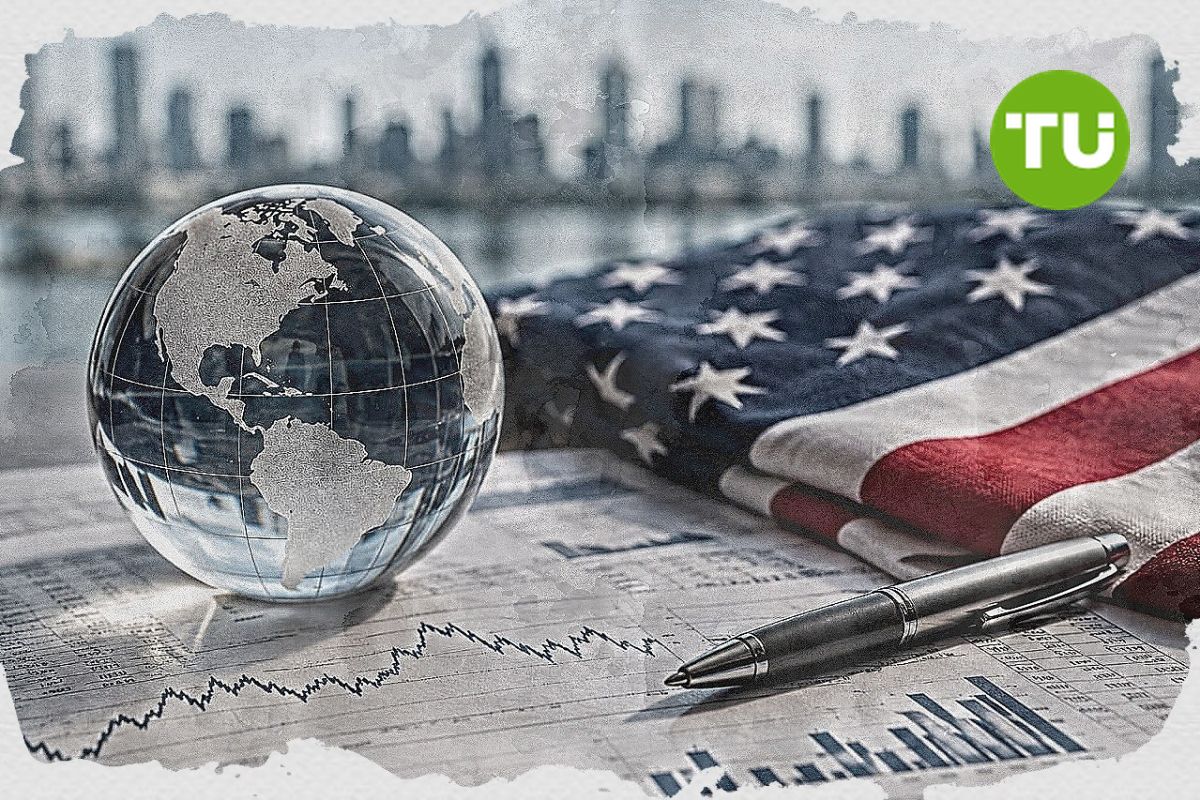
The Magnificent Seven currently make up about a third of the S&P 500 by market value, making any change in investor preference significant for the broader U.S. market. If newly listed AI companies continue to attract outsized interest, capital could become even more concentrated in a narrow set of mega-cap or premium-valued growth names.That dynamic could leave less room for other emerging companies to capture funding and market attention, creating a more uneven investment landscape. The analysis ultimately frames the issue as a possible transition in market leadership, with the long-dominant technology group at risk of looking less like the next generation’s pioneers and more like beneficiaries of an earlier phase of the AI trade.
Our earlier coverage examined how the AI-led U.S. rally is facing growing scrutiny as market leadership remains concentrated and volatility picks up. We noted widening performance gaps within technology, with semiconductors and AI infrastructure beneficiaries outperforming while the Magnificent Seven lagged, alongside rising uncertainty tied to changing Federal Reserve communication and stretched valuations.





Latest NYSE News







-
 Afghanistan
-
 Albania
-
 Algeria
-
 Angola
-
 Argentina
-
 Armenia
-
 Australia
-
 Austria
-
 Azerbaijan
-
 Bahamas
-
 Bahrain
-
 Bangladesh
-
 Belarus
-
 Belgium
-
 Bolivia
-
 Botswana
-
 Brazil
-
 Brunei
-
 Bulgaria
-
 Cambodia
-
 Cameroon
-
 Canada
-
 Chile
Chile
-
 China
China
-
 Colombia
-
 Congo
Congo
-
 Costa Rica
-
 Cote d'Ivoire
-
 Croatia
-
 Cuba
Cuba
-
 Cyprus
-
 Czechia
-
 DR Congo
-
 Denmark
-
 Dominican Republic
-
 Ecuador
-
 Egypt
Egypt
-
 El Salvador
-
 Estonia
-
 Eswatini
-
 Ethiopia
-
 Finland
-
 France
-
 Georgia
-
 Germany
-
 Ghana
Ghana
-
 Greece
-
 Haiti
Haiti
-
 Hong Kong
-
 Hungary
-
 India
India
-
 Indonesia
-
 Iran, Islamic republic
-
 Iraq
Iraq
-
 Ireland
-
 Israel
-
 Italy
Italy
-
 Jamaica
-
 Japan
Japan
-
 Jordan
-
 Kazakhstan
-
 Kenya
Kenya
-
 Korea
Korea
-
 Kuwait
-
 Kyrgyzstan
-
 Laos
Laos
-
 Latvia
-
 Lebanon
-
 Lesotho
-
 Libya
Libya
-
 Lithuania
-
 Luxembourg
-
 Madagascar
-
 Malaysia
-
 Malta
Malta
-
 Mauritius
-
 Mexico
-
 Moldova
-
 Mongolia
-
 Montenegro
-
 Morocco
-
 Mozambique
-
 Myanmar
-
 Namibia
-
 Nepal
Nepal
-
 Netherlands
-
 New Zealand
-
 Nigeria
-
 North Macedonia
-
 Norway
-
 Oman
Oman
-
 Pakistan
-
 Palestine
-
 Panama
-
 Papua New Guinea
-
 Paraguay
-
 Peru
Peru
-
 Philippines
-
 Poland
-
 Portugal
-
 Puerto Rico
-
 Qatar
Qatar
-
 Reunion
-
 Romania
-
 Rwanda
-
 Saudi Arabia
-
 Serbia
-
 Singapore
-
 Slovakia
-
 Slovenia
-
 Somalia
-
 South Africa
-
 Spain
Spain
-
 Sri Lanka
-
 Sweden
-
 Switzerland
-
 Syria
Syria
-
 Taiwan
-
 Tajikistan
-
 Tanzania
-
 Thailand
-
 Trinidad and Tobago
-
 Tunisia
-
 Turkey
-
 UAE
UAE
-
 Uganda
-
 Ukraine
-
 United Kingdom
-
United States
-
 Uruguay
-
 Uzbekistan
-
 Venezuela
-
 Vietnam
-
 Yemen
Yemen
-
 Zambia
-
 Zimbabwe
- Forex
- Crypto











