
House panel reviews U.S. Indo-Pacific policy priorities at East Asia hearing
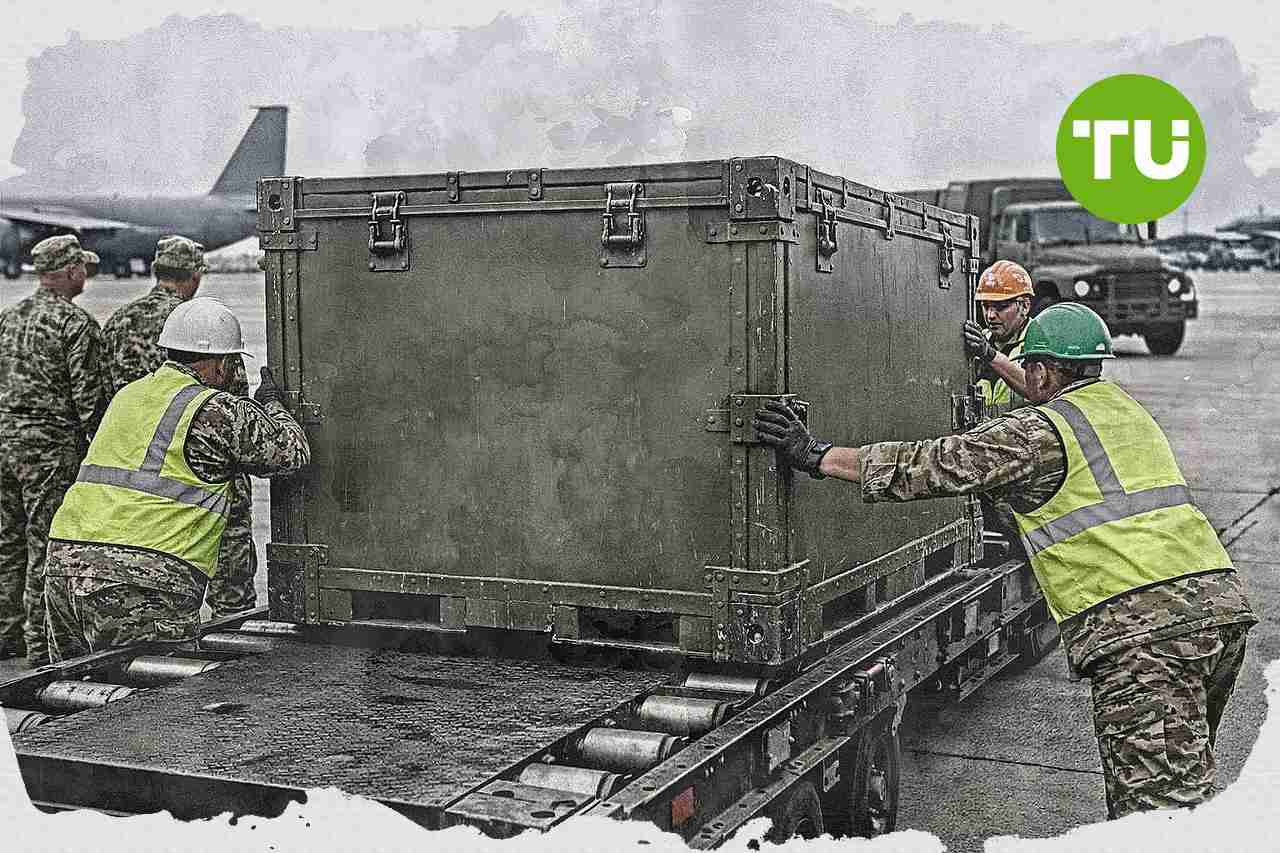
Lawmakers are reviewing how the U.S. is applying an America First approach across the Indo-Pacific as tensions with China, support for Taiwan, and regional security partnerships remain central policy issues. The hearing also focuses on commercial diplomacy, fentanyl flows from Asia into North America, and coordination with allies including Japan, South Korea, and AUKUS partners.
Highlights
- Congress and the administration are strengthening Taiwan's deterrence capacity, approving an $11 billion arms package last December with a further $14 billion under review.
- U.S. policy priorities include bolstering alliances, advancing commercial diplomacy, and countering fentanyl and illegal immigration from Asia, as outlined by Assistant Secretary Michael DeSombre.
- Renewed sanctions on Burma, deepened Japan cooperation on critical minerals and defense, and expanded South Korea partnerships highlight shifting Indo-Pacific economic and security alliances.
Hearing focus on Taiwan and regional security
As reported by the House Committee on Foreign Affairs, East Asia and Pacific Subcommittee Chairwoman Young Kim opens a hearing centered on progress in implementing U.S. policy goals in the region, with Assistant Secretary of State for East Asian and Pacific Affairs Michael DeSombre appearing as a witness.Kim says the review is focused on three priorities DeSombre outlined during his Senate confirmation, bolstering U.S. strength with allies and partners, advancing American prosperity through commercial diplomacy, and stopping the flow of fentanyl and illegal immigrants from Asia into North America. She describes Taiwan as a critical democratic partner facing sustained pressure from Beijing and says Congress and the administration are working to strengthen its deterrence capacity.
She also points to administration approval last December of an $11 billion arms package for Taiwan and says a further $14 billion package is under review. Kim adds that Beijing's actions extend beyond Taiwan, citing activity near Scarborough Shoal and broader efforts by China to expand its military posture in the South China Sea.
Alliances, sanctions and economic ties in focus
Kim says the U.S. must work closely with allies and partners to defend freedom of navigation and uphold international law, while also addressing human rights concerns involving Uyghurs, Tibetans, North Koreans and Vietnamese activists. She adds that the Burmese civil war remains an active concern and notes that the administration has renewed sanctions on the regime.The hearing also highlights broader alliance and economic priorities across the Pacific. Kim says ties with Japan have been reset through cooperation on critical minerals and defense, while South Korea remains an essential partner in deterring North Korean aggression and supporting U.S. reindustrialization through joint investment and stronger defense links.
Our earlier article on the House Natural Resources Subcommittee’s review of the Earth Mapping Resources Initiative (Earth MRI) explained how lawmakers are weighing reauthorizing the USGS program ahead of its fiscal 2026 expiration. The hearing highlighted Earth MRI’s role in improving U.S. critical-minerals intelligence to reduce dependence on foreign supplies and strengthen domestic manufacturing and defense supply chains.









-
 Afghanistan
-
 Albania
-
 Algeria
-
 Angola
-
 Argentina
-
 Armenia
-
 Australia
-
 Austria
-
 Azerbaijan
-
 Bahamas
-
 Bahrain
-
 Bangladesh
-
 Belarus
-
 Belgium
-
 Bolivia
-
 Botswana
-
 Brazil
-
 Brunei
-
 Bulgaria
-
 Cambodia
-
 Cameroon
-
 Canada
-
 Chile
Chile
-
 China
China
-
 Colombia
-
 Congo
Congo
-
 Costa Rica
-
 Cote d'Ivoire
-
 Croatia
-
 Cuba
Cuba
-
 Cyprus
-
 Czechia
-
 DR Congo
-
 Denmark
-
 Dominican Republic
-
 Ecuador
-
 Egypt
Egypt
-
 El Salvador
-
 Estonia
-
 Eswatini
-
 Ethiopia
-
 Finland
-
 France
-
 Georgia
-
 Germany
-
 Ghana
Ghana
-
 Greece
-
 Haiti
Haiti
-
 Hong Kong
-
 Hungary
-
 India
India
-
 Indonesia
-
 Iran, Islamic republic
-
 Iraq
Iraq
-
 Ireland
-
 Israel
-
 Italy
Italy
-
 Jamaica
-
 Japan
Japan
-
 Jordan
-
 Kazakhstan
-
 Kenya
Kenya
-
 Korea
Korea
-
 Kuwait
-
 Kyrgyzstan
-
 Laos
Laos
-
 Latvia
-
 Lebanon
-
 Lesotho
-
 Libya
Libya
-
 Lithuania
-
 Luxembourg
-
 Madagascar
-
 Malaysia
-
 Malta
Malta
-
 Mauritius
-
 Mexico
-
 Moldova
-
 Mongolia
-
 Montenegro
-
 Morocco
-
 Mozambique
-
 Myanmar
-
 Namibia
-
 Nepal
Nepal
-
 Netherlands
-
 New Zealand
-
 Nigeria
-
 North Macedonia
-
 Norway
-
 Oman
Oman
-
 Pakistan
-
 Palestine
-
 Panama
-
 Papua New Guinea
-
 Paraguay
-
 Peru
Peru
-
 Philippines
-
 Poland
-
 Portugal
-
 Puerto Rico
-
 Qatar
Qatar
-
 Reunion
-
 Romania
-
 Rwanda
-
 Saudi Arabia
-
 Serbia
-
 Singapore
-
 Slovakia
-
 Slovenia
-
 Somalia
-
 South Africa
-
 Spain
Spain
-
 Sri Lanka
-
 Sweden
-
 Switzerland
-
 Syria
Syria
-
 Taiwan
-
 Tajikistan
-
 Tanzania
-
 Thailand
-
 Trinidad and Tobago
-
 Tunisia
-
 Turkey
-
 UAE
UAE
-
 Uganda
-
 Ukraine
-
 United Kingdom
-
United States
-
 Uruguay
-
 Uzbekistan
-
 Venezuela
-
 Vietnam
-
 Yemen
Yemen
-
 Zambia
-
 Zimbabwe
- Forex
- Crypto











