

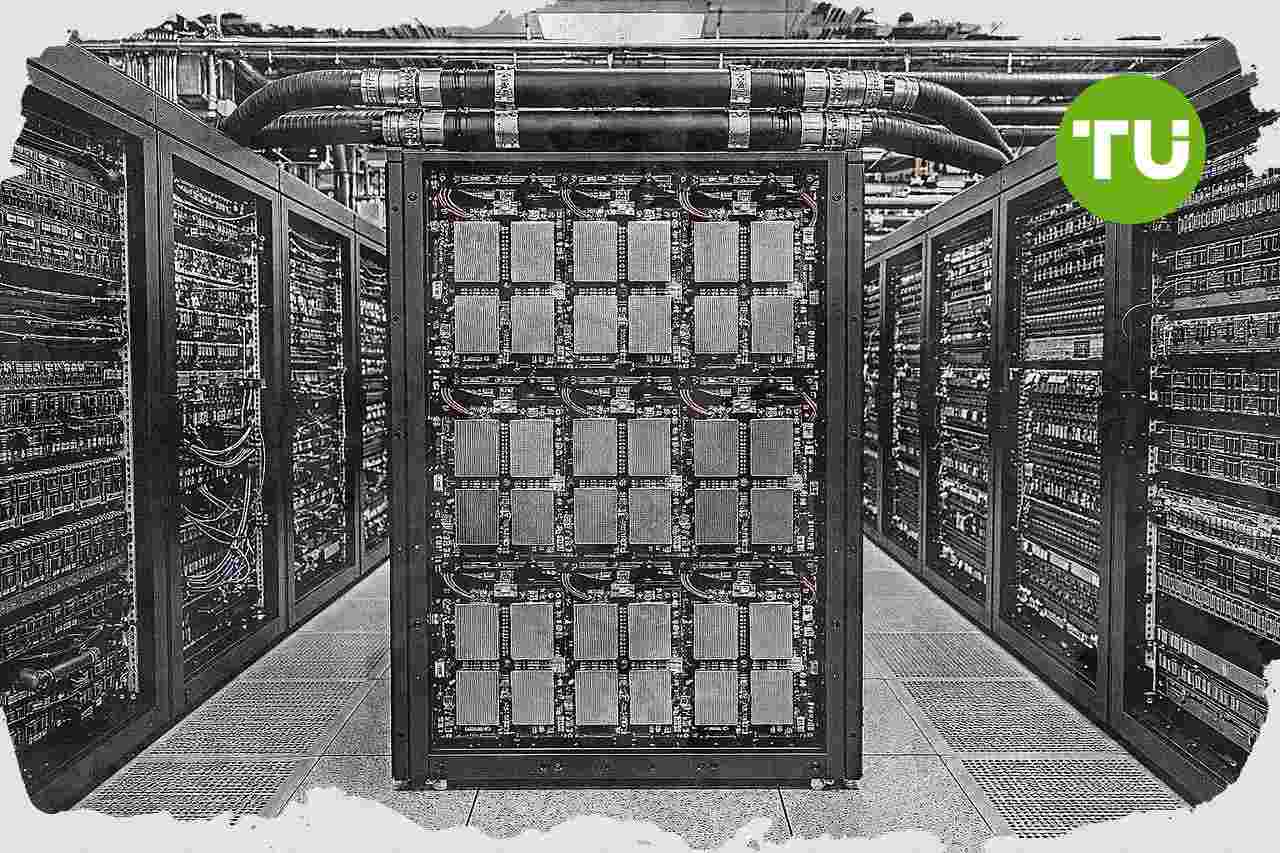
Alphabet is reinforcing its position in artificial intelligence by leaning on its in-house tensor processing units, which power both Google’s Gemini models and parts of its cloud business. The chip strategy is gaining importance as companies shift their focus from costly model training to inference efficiency, a transition analysts expect to accelerate by the end of 2026.
Highlights
- Alphabet's TPUs are central to its AI infrastructure push, supporting both Google Gemini and enterprise clients via Google Cloud and direct hardware sales.
- Google Cloud revenue is expected to grow 64% year-over-year to $96 billion in 2024, with over 50% annual growth projected through 2027, according to FactSet.
- Citizens analysts forecast TPU-related infrastructure revenue to reach $3 billion in 2026 and $25 billion in 2027 as the market shifts toward inference-led AI workloads.
TPU strategy drives cloud and AI expansion
As reported by CNBC, Alphabet’s homegrown TPUs are becoming a central part of its bid to compete more aggressively in AI infrastructure, where demand for computing capacity continues to rise. The chips support Google’s own AI products, including Gemini, while also serving enterprise customers through Google Cloud and, in some cases, direct sales for customer data centers.That dual role gives Alphabet an operational and commercial advantage as it tries to narrow the gap with larger cloud rivals in revenue terms, including Amazon Web Services and Microsoft Azure. Google has also launched a new AI compute venture with Blackstone built around TPUs, adding another channel for monetizing its chip platform.
Wall Street expects the business momentum to remain strong. According to FactSet estimates cited in the report, Google Cloud revenue is projected to rise about 64% this year to $96 billion, with growth above 50% still modeled for 2027.
Inference economics sharpen competitive edge
TPUs are drawing attention because they are designed to deliver AI performance with greater efficiency, an increasingly important factor as businesses seek more computing output for every dollar spent. As application-specific integrated circuits, the chips are optimized for particular workloads, which helps reduce the cost of running AI systems.The market is also evolving beyond the first wave of AI buildout that followed the arrival of ChatGPT in late 2022. Training large language models remains highly expensive, but inference, the process of generating predictions and responses from trained models, can become the larger cost over time once models are widely deployed.
Analysts say Nvidia’s leadership remains protected in the near term, but they also argue the market is moving from a training-led phase toward an inference-led phase by the end of 2026. Citizens analysts last month forecast that TPU-related infrastructure could generate about $3 billion in revenue for Google in 2026 before rising to $25 billion in 2027, while Chief Executive Sundar Pichai said the TPU system can work closely with CPUs and support training clusters of as many as 1 million TPUs.
Alphabet’s addition to the Dow Jones Industrial Average, replacing Verizon, signaled the index’s increasing tilt toward large-cap technology. Our earlier coverage noted that while the move underscores Big Tech’s market leadership, historical Dow reshuffles have sometimes coincided with late-cycle concentration risk, prompting debate over whether AI-driven stocks are being recognized after a long run-up.






Latest Google News





-
 Afghanistan
-
 Albania
-
 Algeria
-
 Angola
-
 Argentina
-
 Armenia
-
 Australia
-
 Austria
-
 Azerbaijan
-
 Bahamas
-
 Bahrain
-
 Bangladesh
-
 Belarus
-
 Belgium
-
 Bolivia
-
 Botswana
-
 Brazil
-
 Brunei
-
 Bulgaria
-
 Cambodia
-
 Cameroon
-
 Canada
-
 Chile
-
 China
-
 Colombia
-
 Congo
-
 Costa Rica
-
 Cote d'Ivoire
-
 Croatia
-
 Cuba
-
 Cyprus
-
 Czechia
-
 DR Congo
-
 Denmark
-
 Dominican Republic
-
 Ecuador
-
 Egypt
-
 El Salvador
-
 Estonia
-
 Eswatini
-
 Ethiopia
-
 Finland
-
 France
-
 Georgia
-
 Germany
-
 Ghana
-
 Greece
-
 Haiti
-
 Hong Kong
-
 Hungary
-
 India
-
 Indonesia
-
 Iran, Islamic republic
-
 Iraq
-
 Ireland
-
 Israel
-
 Italy
-
 Jamaica
-
 Japan
-
 Jordan
-
 Kazakhstan
-
 Kenya
-
 Korea
-
 Kuwait
-
 Kyrgyzstan
-
 Laos
-
 Latvia
-
 Lebanon
-
 Lesotho
-
 Libya
-
 Lithuania
-
 Luxembourg
-
 Madagascar
-
 Malaysia
-
 Malta
-
 Mauritius
-
 Mexico
-
 Moldova
-
 Mongolia
-
 Montenegro
-
 Morocco
-
 Mozambique
-
 Myanmar
-
 Namibia
-
 Nepal
-
 Netherlands
-
 New Zealand
-
 Nigeria
-
 North Macedonia
-
 Norway
-
 Oman
-
 Pakistan
-
 Palestine
-
 Panama
-
 Papua New Guinea
-
 Paraguay
-
 Peru
-
 Philippines
-
 Poland
-
 Portugal
-
 Puerto Rico
-
 Qatar
-
 Reunion
-
 Romania
-
 Rwanda
-
 Saudi Arabia
-
 Serbia
-
 Singapore
-
 Slovakia
-
 Slovenia
-
 Somalia
-
 South Africa
-
 Spain
-
 Sri Lanka
-
 Sweden
-
 Switzerland
-
 Syria
-
 Taiwan
-
 Tajikistan
-
 Tanzania
-
 Thailand
-
 Trinidad and Tobago
-
 Tunisia
-
 Turkey
-
 UAE
-
 Uganda
-
 Ukraine
-
 United Kingdom
-
United States
-
 Uruguay
-
 Uzbekistan
-
 Venezuela
-
 Vietnam
-
 Yemen
-
 Zambia
-
 Zimbabwe
- Forex
- Crypto












