

Oil plunges more than 6% as hopes for an end to Iran war grow

Oil futures fell sharply Monday as diplomatic efforts to end the U.S.-Iran war raised hopes that disrupted Middle Eastern energy supplies could recover. The selloff reversed part of October's rally, although threats to shipping and production across the Persian Gulf continued to cloud the market outlook.
Highlights
- WTI fell 6.48%, while Brent dropped 6.21%.
- U.S.-Iran peace talks eased immediate supply concerns.
- Shipping disruptions and depleted inventories remain major risks.
December West Texas Intermediate futures dropped 6.48% to $97.37 a barrel, while January Brent futures fell 6.21% to $106.39. The decline followed reports of negotiations between Iranian officials and Qatari mediators over a possible agreement to end the conflict. According to Reuters, negotiators have already prepared a draft peace proposal, with another round of talks under consideration.
Diplomatic progress eases immediate supply fears
Iranian negotiators have held several days of discussions with Qatari intermediaries, offering markets a potential route toward reducing hostilities. Tehran has indicated that it remains open to diplomatic engagement while maintaining its military readiness.
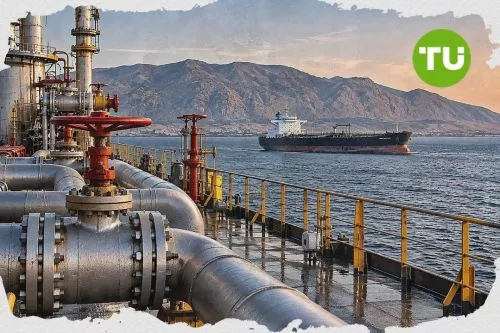
The talks come after renewed attacks on tankers traveling through the Strait of Hormuz, a vital passage for global oil shipments. Any agreement that improves security along the route could help restore more predictable deliveries and reduce the additional costs associated with transporting crude through a conflict zone.
Oil prices had climbed throughout October as investors feared another escalation after the November 3 U.S. midterm elections. Brent gained approximately 14% during the month and reached its highest level in six months, despite signs that some regional exports were recovering.
Saudi Arabia's crude shipments increased in October compared with September, according to shipping data, even as attacks on its energy infrastructure continued.
Months of disruption leave oil supplies vulnerable
The war, which began in late February, has placed considerable strain on global petroleum inventories. Nearly 1 billion barrels have been drawn from stocks since the conflict disrupted shipments through the Strait of Hormuz, according to Abu Dhabi National Oil Company's chief executive.
That depletion leaves the market exposed to further interruptions, even if diplomatic progress temporarily reduces prices.
Goldman Sachs recently raised its December Brent forecast to $105 a barrel from $90 and projected an average of $88 for 2027. The bank also warned that prolonged disruptions to Persian Gulf production could drive prices considerably higher.
Peace prospects could reshape the oil outlook
The latest decline shows how strongly crude prices respond to changes in expectations about Middle Eastern supply. A durable agreement could reduce shipping risks, improve export flows, and ease pressure on fuel costs worldwide.
However, negotiations have not yet produced a ceasefire, and attacks on tankers and energy facilities remain a threat. Goldman Sachs estimates that Brent could average $130 in 2027 if Gulf output stays substantially below previous levels.
For consumers and businesses, the outcome matters beyond financial markets. Sustained lower oil prices could ease transportation and manufacturing costs, while renewed fighting could quickly reverse Monday's losses.
We have previously highlighted that Gulf states urge Washington to avoid new confrontation with Iran.






Latest Brent News



-
 Afghanistan
-
 Albania
-
 Algeria
-
 Angola
-
 Argentina
-
 Armenia
-
 Australia
-
 Austria
-
 Azerbaijan
-
 Bahamas
-
 Bahrain
-
 Bangladesh
-
 Belarus
-
 Belgium
-
 Bolivia
-
 Botswana
-
 Brazil
-
 Brunei
-
 Bulgaria
-
 Cambodia
-
 Cameroon
-
 Canada
-
 Chile
-
 China
-
 Colombia
-
 Congo
-
 Costa Rica
-
 Cote d'Ivoire
-
 Croatia
-
 Cuba
-
 Cyprus
-
 Czechia
-
 DR Congo
-
 Denmark
-
 Dominican Republic
-
 Ecuador
-
 Egypt
-
 El Salvador
-
 Estonia
-
 Eswatini
-
 Ethiopia
-
 Finland
-
 France
-
 Georgia
-
 Germany
-
 Ghana
-
 Greece
-
 Haiti
-
 Hong Kong
-
 Hungary
-
 India
-
 Indonesia
-
 Iran, Islamic republic
-
 Iraq
-
 Ireland
-
 Israel
-
 Italy
-
 Jamaica
-
 Japan
-
 Jordan
-
 Kazakhstan
-
 Kenya
-
 Korea
-
 Kuwait
-
 Kyrgyzstan
-
 Laos
-
 Latvia
-
 Lebanon
-
 Lesotho
-
 Libya
-
 Lithuania
-
 Luxembourg
-
 Madagascar
-
 Malaysia
-
 Malta
-
 Mauritius
-
 Mexico
-
 Moldova
-
 Mongolia
-
 Montenegro
-
 Morocco
-
 Mozambique
-
 Myanmar
-
 Namibia
-
 Nepal
-
 Netherlands
-
 New Zealand
-
 Nigeria
-
 North Macedonia
-
 Norway
-
 Oman
-
 Pakistan
-
 Palestine
-
 Panama
-
 Papua New Guinea
-
 Paraguay
-
 Peru
-
 Philippines
-
 Poland
-
 Portugal
-
 Puerto Rico
-
 Qatar
-
 Reunion
-
 Romania
-
 Rwanda
-
 Saudi Arabia
-
 Serbia
-
 Singapore
-
 Slovakia
-
 Slovenia
-
 Somalia
-
 South Africa
-
 Spain
-
 Sri Lanka
-
 Sweden
-
 Switzerland
-
 Syria
-
 Taiwan
-
 Tajikistan
-
 Tanzania
-
 Thailand
-
 Trinidad and Tobago
-
 Tunisia
-
 Turkey
-
 UAE
-
 Uganda
-
 Ukraine
-
 United Kingdom
-
United States
-
 Uruguay
-
 Uzbekistan
-
 Venezuela
-
 Vietnam
-
 Yemen
-
 Zambia
-
 Zimbabwe
- Forex
- Crypto












