
UK water companies underspend investment allowances as bill pressures intensify
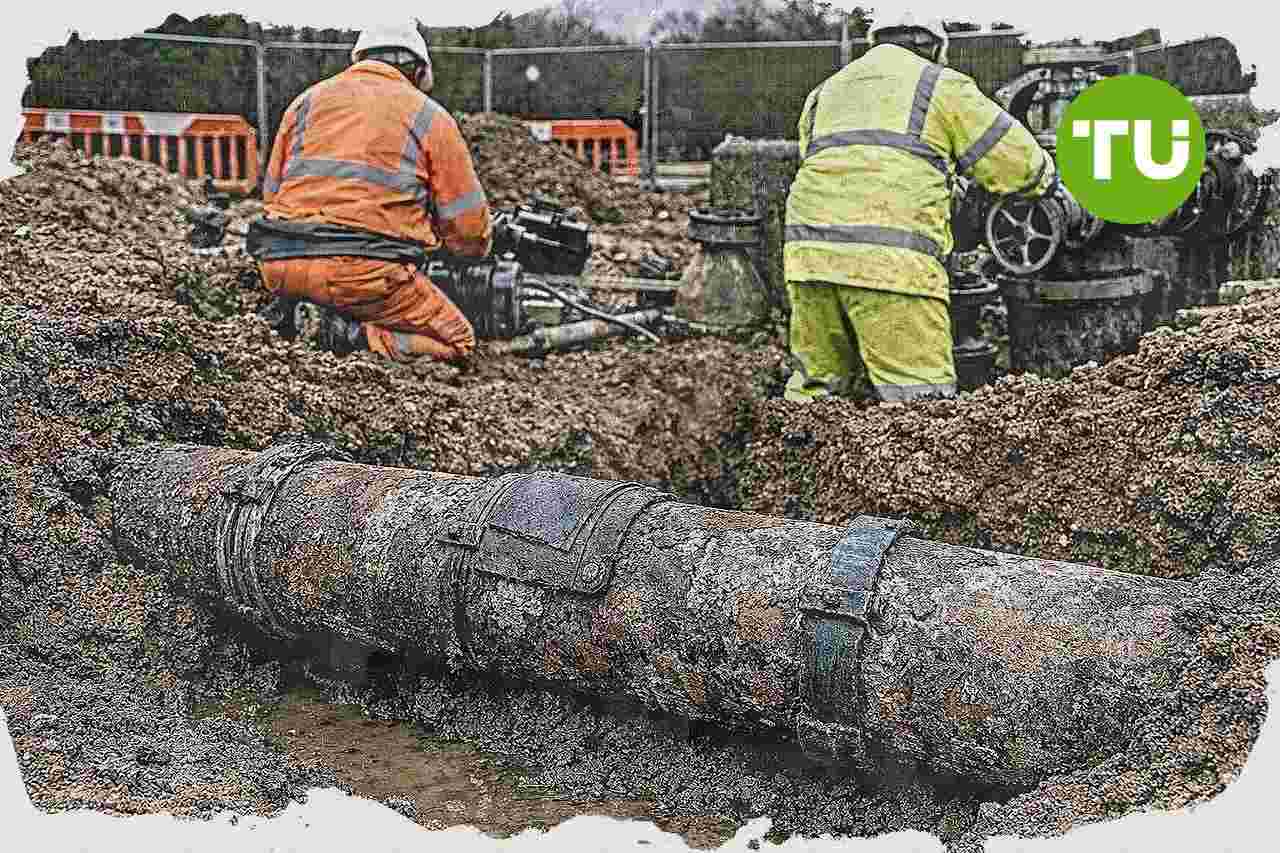
Pressure on the UK water sector is growing as fresh scrutiny shows some utilities did not use all the investment spending allowed by regulators between 2010 and 2025. The findings add to concerns over ageing infrastructure, rising customer bills and the industry’s record on outages, sewage spills and drought resilience.
Highlights
- Ofwat data shows Anglian Water, Northumbrian Water, South Staffordshire Water, and Wessex Water consistently underspend their regulatory investment allowances between 2010 and 2025.
- Anglian Water underspends its investment allowance by £383 million and pays £2.5 billion in dividends from 2015 to 2020, while South West Water underspends by £255 million and pays £781 million in dividends.
- Water companies raise £82 billion in debt and pay £85 billion in dividends since 1991, while Ofwat approves a record £104 billion infrastructure investment programme and mains replacement lags at 0.14 per cent annually.
Regulatory data highlights spending gap
As reported by the Financial Times, Ofwat data obtained under the UK Freedom of Information Act shows that four of the 16 water and sewage companies in England and Wales spend less cash than their regulatory allowances permit between 2010 and 2025. The companies are Anglian Water, Northumbrian Water, South Staffordshire Water and Wessex Water.Five other utilities fail to use all of their allowed cash in at least one five-year regulatory period during that window. The figures challenge long-running industry arguments that weak infrastructure investment mainly stems from customer bills being kept too low, even though Ofwat sets price limits intended to fund both operations and network upgrades.
David Hall, visiting professor at Greenwich University, says water companies have "obvious incentives to underspend as it boosts profit margins, helping them to receive larger returns and the regulatory system makes it easy for them to do so". The issue comes under sharper political and public focus as some customers face bill increases of more than 50 per cent by 2030 compared with 2025 levels, while the Consumer Council for Water says the average combined water and sewerage bill in England and Wales has risen by 373 per cent since 1990-91, including inflation.
Dividends, higher spending and network strain
In some cases, underspending occurs alongside sizable dividend payments. Anglian Water pays out £2.5 billion in dividends to investors between 2015 and 2020, while its spending is £383 million below its regulatory allowance in 2013 prices; the company says that figure includes intra-group payments used to repay debt raised for infrastructure investment and that "dividends" remains the best accounting term.Between 2015 and 2020, South West Water underspends its investment allowance by £255 million in 2013 prices and pays out £781 million in dividends over the same period. Its owner, Pennon, says the gap in the regulatory framework reflects capital and operational efficiencies, not simply unspent investment.
Since 2020, water companies increase expenditure significantly as complaints over sewage pollution intensify, and all but one use their full allowance in 2020-25, with four companies overspending by more than £1 billion each. South Staffs Water is the exception, underspending by £12 million, but a National Audit Office report published last year says critical performance metrics do not significantly improve and that some overspending reflects above-inflation costs for labour and energy.
The National Audit Office also says water mains are replaced at an annual rate of 0.14 per cent between 2020 and 2024, implying the full network would be replaced only once every 700 years if that pace continues. Financial strain across the sector is also mounting after the 16 utilities raise £82 billion in debt and pay out £85 billion in dividends between 1991 and March 2025, while Water UK says companies have overspent allowances by 5.8 per cent since 2010 and Ofwat says it has approved a record £104 billion investment programme to strengthen infrastructure and improve resilience.
Our earlier article on the UK’s delayed Defence Investment Plan explained how the government was preparing a £14.5bn spending package, including £5bn earmarked for drones and other uncrewed systems, amid pressure to modernise capabilities. We also noted concerns from current and former senior officers that, despite the headline increase and a stronger focus on sovereign UK AI and autonomy, existing budgets could still remain under strain as procurement priorities shift.


Latest American Water Works News




-
 Afghanistan
-
 Albania
-
 Algeria
-
 Angola
-
 Argentina
-
 Armenia
-
 Australia
-
 Austria
-
 Azerbaijan
-
 Bahamas
-
 Bahrain
-
 Bangladesh
-
 Belarus
-
 Belgium
-
 Bolivia
-
 Botswana
-
 Brazil
-
 Brunei
-
 Bulgaria
-
 Cambodia
-
 Cameroon
-
 Canada
-
 Chile
Chile
-
 China
China
-
 Colombia
-
 Congo
Congo
-
 Costa Rica
-
 Cote d'Ivoire
-
 Croatia
-
 Cuba
Cuba
-
 Cyprus
-
 Czechia
-
 DR Congo
-
 Denmark
-
 Dominican Republic
-
 Ecuador
-
 Egypt
Egypt
-
 El Salvador
-
 Estonia
-
 Eswatini
-
 Ethiopia
-
 Finland
-
 France
-
 Georgia
-
 Germany
-
 Ghana
Ghana
-
 Greece
-
 Haiti
Haiti
-
 Hong Kong
-
 Hungary
-
 India
India
-
 Indonesia
-
 Iran, Islamic republic
-
 Iraq
Iraq
-
 Ireland
-
 Israel
-
 Italy
Italy
-
 Jamaica
-
 Japan
Japan
-
 Jordan
-
 Kazakhstan
-
 Kenya
Kenya
-
 Korea
Korea
-
 Kuwait
-
 Kyrgyzstan
-
 Laos
Laos
-
 Latvia
-
 Lebanon
-
 Lesotho
-
 Libya
Libya
-
 Lithuania
-
 Luxembourg
-
 Madagascar
-
 Malaysia
-
 Malta
Malta
-
 Mauritius
-
 Mexico
-
 Moldova
-
 Mongolia
-
 Montenegro
-
 Morocco
-
 Mozambique
-
 Myanmar
-
 Namibia
-
 Nepal
Nepal
-
 Netherlands
-
 New Zealand
-
 Nigeria
-
 North Macedonia
-
 Norway
-
 Oman
Oman
-
 Pakistan
-
 Palestine
-
 Panama
-
 Papua New Guinea
-
 Paraguay
-
 Peru
Peru
-
 Philippines
-
 Poland
-
 Portugal
-
 Puerto Rico
-
 Qatar
Qatar
-
 Reunion
-
 Romania
-
 Rwanda
-
 Saudi Arabia
-
 Serbia
-
 Singapore
-
 Slovakia
-
 Slovenia
-
 Somalia
-
 South Africa
-
 Spain
Spain
-
 Sri Lanka
-
 Sweden
-
 Switzerland
-
 Syria
Syria
-
 Taiwan
-
 Tajikistan
-
 Tanzania
-
 Thailand
-
 Trinidad and Tobago
-
 Tunisia
-
 Turkey
-
 UAE
UAE
-
 Uganda
-
 Ukraine
-
 United Kingdom
-
United States
-
 Uruguay
-
 Uzbekistan
-
 Venezuela
-
 Vietnam
-
 Yemen
Yemen
-
 Zambia
-
 Zimbabwe
- Forex
- Crypto











